










Luci e Ombre nella Fotografia: Tecniche per Profondità, Contrasto e Narrazione Visiva
Luce e ombra costituiscono il cuore della narrazione visiva in fotografia e videografia. Scolpiscono la profondità tridimensionale da immagini piatte, evocano emozioni e guidano l'occhio dello spettatore. Padroneggiare la loro interazione trasforma scatti ordinari in narrazioni avvincenti, sia in ritratti drammatici, immagini di prodotti d'atmosfera o video cinematografici. Questa guida copre le tecniche essenziali per contrasto, profondità e illuminazione direzionale, con consigli pratici sull'attrezzatura per i creatori in movimento. Lo Zhiyun Molus X100 RGB offre una potenza da studio in una forma compatta, rendendo il controllo professionale veramente portatile.
Comprendere Luce e Ombra in Fotografia
La fotografia è l'arte di catturare la luce. Le ombre definiscono forma, texture e atmosfera, piuttosto che essere semplicemente aree scure. Il classico effetto chiaroscuro, forte contrasto tra luce e buio, aggiunge volume e drammaticità. Senza ombre, i soggetti appaiono piatti. Ombre profonde creano tensione e mistero; sfumature morbide suggeriscono calma e realismo.
Qualità, direzione e intensità della luce controllano la formazione delle ombre. La luce naturale dell'ora d'oro proietta ombre lunghe e calde, ideali per la narrazione. Le sorgenti artificiali offrono coerenza ovunque. La legge dell'inverso del quadrato è fondamentale: l'intensità diminuisce rapidamente con la distanza, consentendo di modellare con precisione la sfumatura delle ombre. Scene ad alto contrasto con punti luce brillanti e neri profondi richiedono abilità tecnica e visione artistica. Controllare questi elementi aiuta a trasmettere qualsiasi stato d'animo, dalla tensione di un thriller all'intimità di un ritratto.

Tipi di Luce Che Creano Ombre Forti
Le sorgenti luminose variano per dimensione e diffusione, influenzando direttamente il carattere dell'ombra e l'impatto visivo.
Luce dura vs luce morbida e il loro impatto visivo
La luce dura proviene da sorgenti piccole e non diffuse come il sole diretto o lampadine nude. Produce ombre nette e dai contorni precisi con alto contrasto e transizioni minime. Questo enfatizza texture e forma, adatto a lavori grintosi o drammatici. Nei ritratti, scolpisce i contorni del viso per un look da film-noir, ma può evidenziare imperfezioni.
La luce morbida utilizza sorgenti ampie o diffuse come cieli nuvolosi o softbox. Le ombre hanno sfumature uniformi e contrasto inferiore, valorizzando la pelle e creando un realismo delicato. Trasmette calma e accessibilità, ma può mancare di incisività da sola. Combinare una luce dura principale con un riempimento morbido bilancia drammaticità e dettaglio. Lo Zhiyun Molus X100 RGB eccelle qui, passando istantaneamente tra fasci duri focalizzati e uscita diffusa tramite modificatori.
Utilizzo dell'Illuminazione Direzionale per una Composizione Creativa
La direzione della luce modella il modo in cui essa interagisce con i soggetti e gli ambienti, trasformando l'illuminazione in uno strumento narrativo.
Illuminazione laterale, retroilluminazione e creazione di silhouette
L'illuminazione laterale (stile cross o Rembrandt) colpisce a circa 90 gradi, proiettando ombre forti su un lato e un triangolo di luce sulla guancia opposta. Aggiunge profondità scultorea perfetta per scatti basati sui personaggi. Leggeri aggiustamenti dell'angolo controllano la lunghezza delle ombre.
La retroilluminazione posiziona la sorgente dietro il soggetto, creando un bordo luminoso che separa la figura dallo sfondo. Produce una profondità eterea. Regola l'esposizione per i dettagli del viso o sottoesponi per aloni drammatici. Evidenzia anche magnificamente i bordi del prodotto.
Le silhouette spingono ulteriormente la retroilluminazione: esponi per lo sfondo luminoso, rendendo il soggetto una forma nera audace. Affidati a contorni forti per emozioni basate sui gesti, ideale per lavori concettuali o pubblicitari.
Queste tecniche beneficiano di luci controllabili e ad alta potenza che mantengono colori accurati a qualsiasi intensità.
Controllo dell'Intensità e del Dettaglio delle Ombre: Distanza, modificatori e tecniche di posizionamento della luce
Il controllo delle ombre segue semplici principi fisici. Secondo la legge dell'inverso del quadrato, raddoppiando la distanza l'intensità si riduce di un quarto, ammorbidendo le ombre. Luci più vicine creano effetti più duri e incisivi; quelle più lontane producono una sfumatura più delicata.
I modificatori sono essenziali. Alette paraluce, griglie e bandiere modellano i fasci luminosi e riducono la dispersione. Diffusori e softbox ingrandiscono la dimensione della sorgente per bordi più morbidi. I riflettori aggiungono riempimento per mantenere i dettagli delle ombre senza luci aggiuntive. La "feathering", ovvero posizionare il soggetto al bordo del fascio, crea sfumature naturali.
Il posizionamento aggiunge atmosfera: angolazioni basse proiettano lunghe ombre minacciose; dall'alto imita un sole intenso. Per i video, il riposizionamento dinamico evolve la storia. Le luci portatili con modificatori a montaggio rapido accelerano il lavoro in esterna, specialmente se alimentate dall'innovativo ecosistema Zhiyun.
Impostazioni della Fotocamera per Scene ad Alto Contrasto
L'illuminazione ad alto contrasto mette alla prova i limiti del sensore, quindi le impostazioni preservano i dettagli. Scatta in RAW per la flessibilità di editing. Usa la modalità manuale e misura l'esposizione per le alte luci per evitare il clipping; recupera le ombre in seguito.
Mantieni un ISO basso (100-400) per ridurre il rumore. L'apertura f/8-f/11 bilancia nitidezza e profondità. La velocità dell'otturatore al doppio del frame rate (1/50s per 24fps) mantiene una sfocatura di movimento naturale. Abilita istogrammi e avvisi di alte luci. Il bracketing o l'HDR uniscono i fotogrammi quando necessario. Imposta il bilanciamento del bianco per abbinarlo alla sorgente o a un Kelvin personalizzato per un colore preciso, specialmente con luci RGB che offrono ampi intervalli CCT da Zhiyun.
Tecniche di Stabilizzazione per Video con Luce e Ombra
Il video richiede riprese stabili per preservare le ombre posizionate con cura. Le vibrazioni a mano rovinano l'effetto.
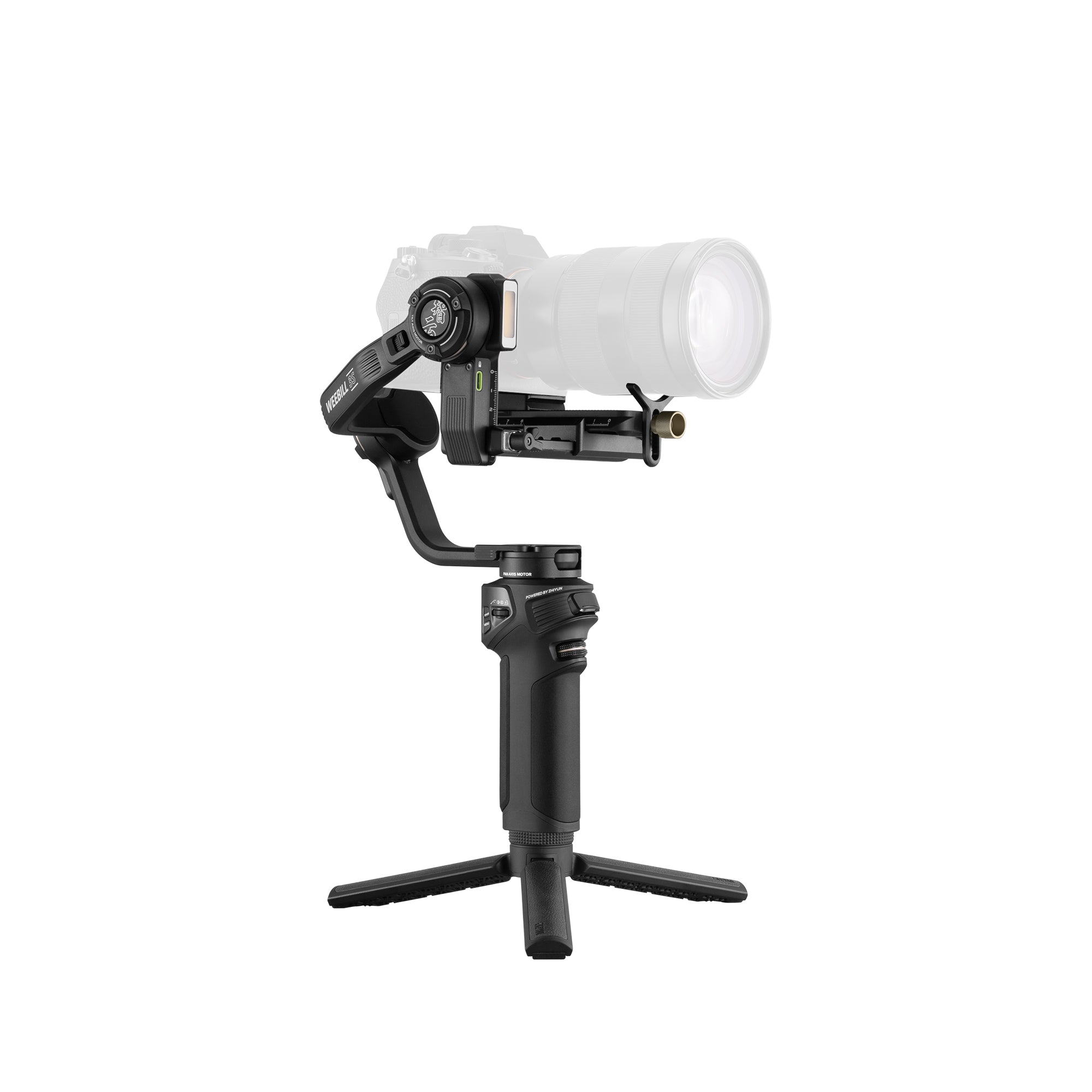
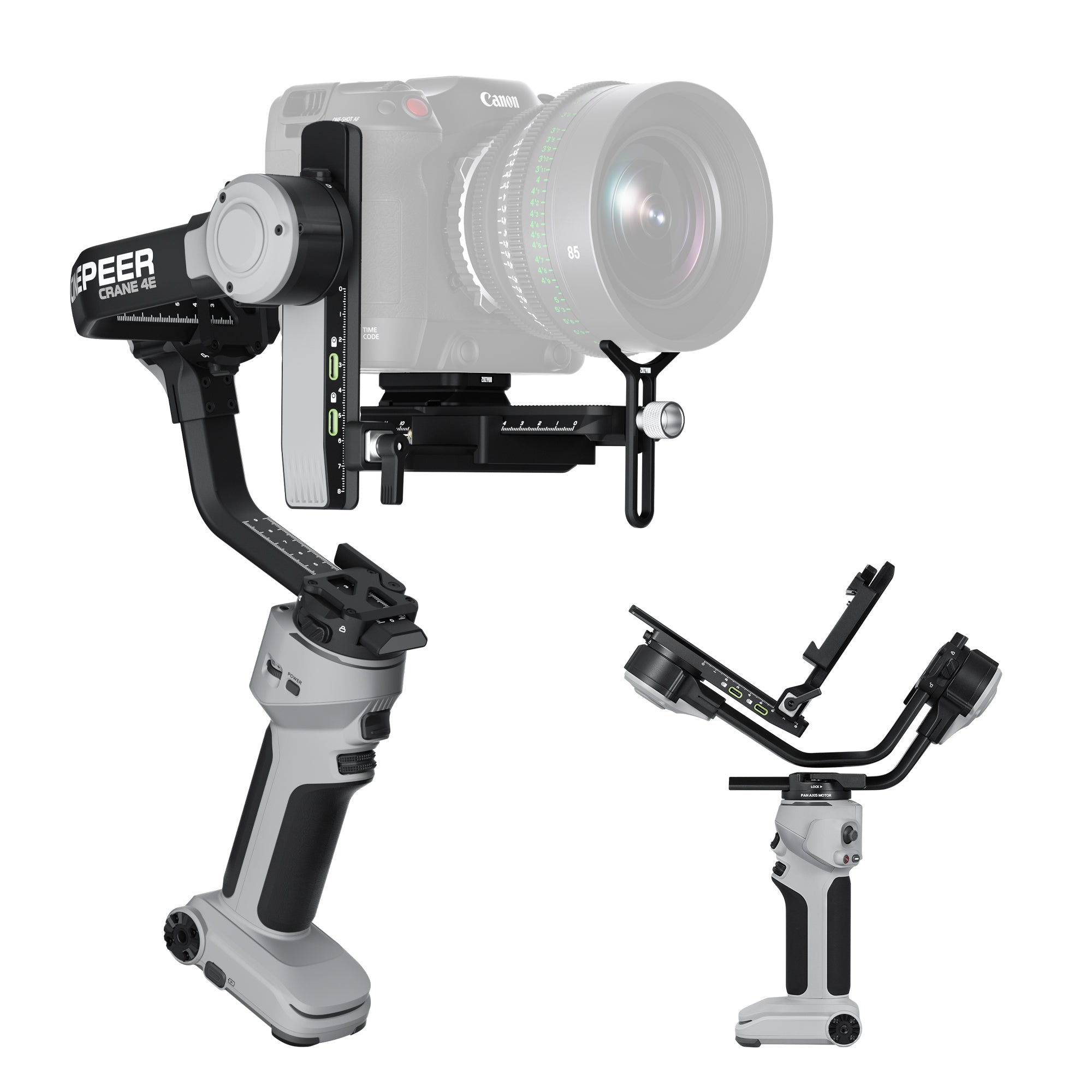
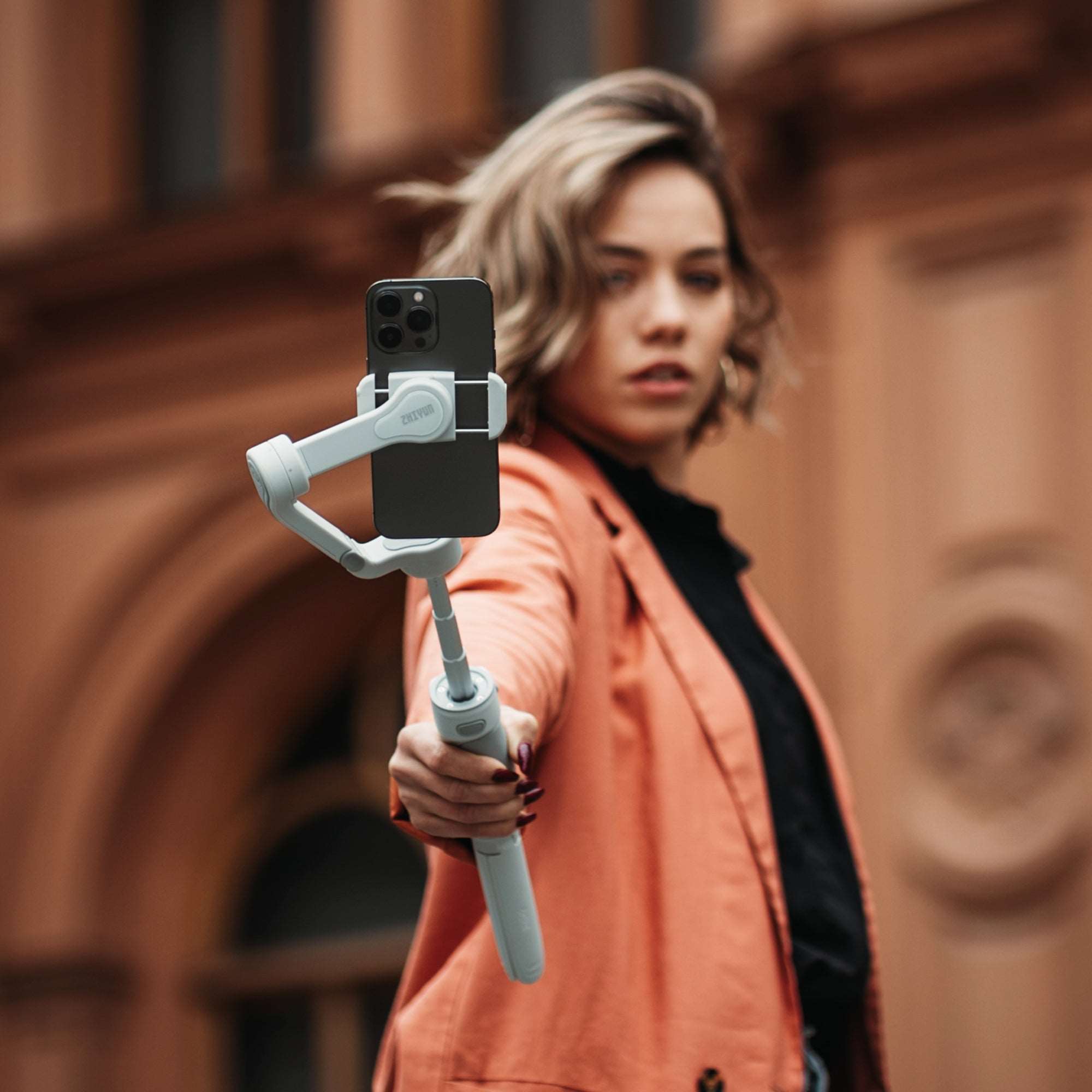
Usa treppiedi per scatti statici e gimbal per il movimento. Stabilizzatori leggeri mantengono l'orizzonte livellato durante le panoramiche. Monta LED portatili direttamente su rig per ridurre l'ingombro. La stabilizzazione dell'immagine (nella fotocamera o nell'obiettivo) aiuta in condizioni di scarsa illuminazione. Questi strumenti consentono agli operatori di muoversi liberamente mantenendo un'interazione nitida tra luce e ombra, abbinandosi perfettamente agli apparecchi compatti di Zhiyun.

Flusso di Lavoro Pratico per la Fotografia di Luce e Ombra
Inizia con la pre-visualizzazione: disegna schemi di illuminazione e definisci l'atmosfera. Esplora le location e blocca la luce ambientale.
Posiziona prima la luce principale, quindi aggiungi riempimento, bordo o strati di sfondo. Misura i rapporti (es. 4:1 chiave-riempimento) usando gli istogrammi. Scatta foto di prova da diverse angolazioni, regolando distanza e modificatori. Cattura bracketing e test video.
Rivedi su un monitor calibrato e perfeziona in post-produzione con sottili schiariture e scuriture. Salva i preset per impostazioni ripetibili.
Configurazione dell'Attrezzatura Raccomandata
I creatori moderni hanno bisogno di attrezzatura potente e facile da trasportare. Abbina una fotocamera mirrorless full-frame con un obiettivo a focale fissa da 35mm o 50mm f/1.8 per l'isolamento del soggetto. Aggiungi un treppiede o un gimbal per la stabilità video.
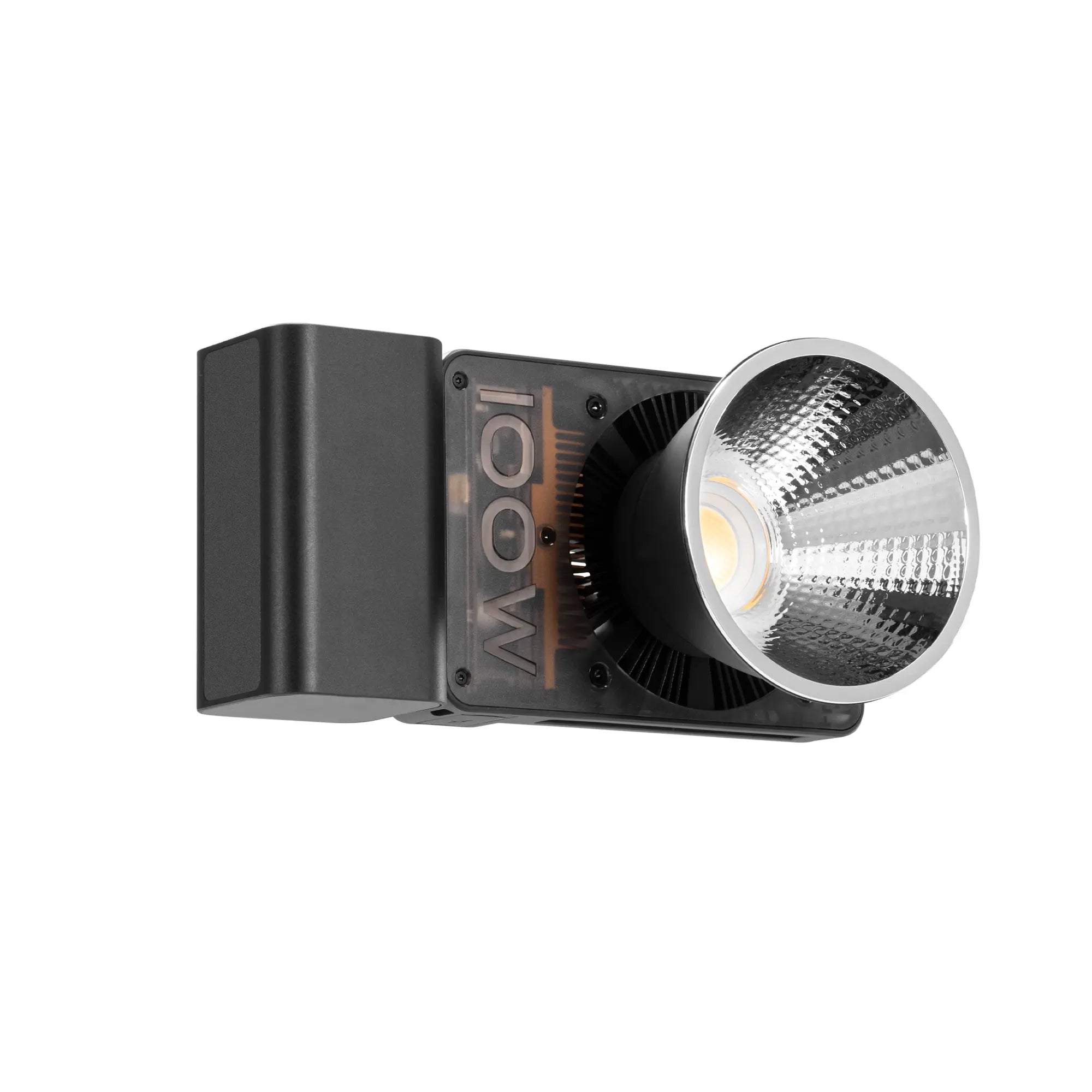
Lo Zhiyun Molus X100 RGB è la luce principale ideale. Questo LED COB RGB da 100W, delle dimensioni di un palmo, pesa solo 383g e produce fino a 17.317 lux a 1m con il Mini Riflettore incluso, eguagliando luci tradizionali da 300-500W. Copre CCT da 2700K a 10000K, CRI ≈ 95 e TLCI ≈ 97 per colori e toni della pelle accurati. La modalità RGB offre una miscelazione di colori ad alta luminosità con un boost di 3,6-5×, consentendo effetti creativi senza gelatine. Essendo un prodotto di punta di Zhiyun, porta la precisione professionale a qualsiasi setup.
La batteria rimovibile dura 34 minuti a piena potenza, e il raffreddamento Dynavort rimane silenzioso per i video. I doppi attacchi ZY e Bowens supportano alette, diffusori e softbox per un controllo istantaneo da duro a morbido. L'app Bluetooth e la sincronizzazione musicale automatizzano i cambiamenti dinamici dell'illuminazione.
Utilizza lo Zhiyun Molus X100 RGB come luce principale con un riflettore per il riempimento. Il kit completo pesa meno di 2 kg, entrando facilmente in una borsa. Al prezzo di 269 dollari con riflettore e adattatore, offre precisione da studio ovunque, perfetto per silhouette, drammaticità con illuminazione laterale o video di prodotti ad alto contrasto.
Integra lo Zhiyun Molus X100 RGB nel tuo kit e ottieni il controllo istantaneo su profondità, contrasto e narrazione. Sia in studio che in location, questa potente centrale portatile di Zhiyun eleva ogni scatto.