










Fotografia con luce solare forte: Tecniche per gestire contrasto elevato e ombre dure
La luce solare intensa, specialmente a mezzogiorno, offre un'illuminazione abbondante ma crea sfide intense per fotografi e videomaker. Dai ritratti in spiaggia alle scene di strada o ai servizi fotografici di prodotti sotto cieli sereni, il sole diretto e forte produce contrasti drammatici che possono sia migliorare l'impatto visivo sia rovinare un'immagine con alte luci bruciate e ombre profonde e poco lusinghiere. Questa guida descrive in dettaglio metodi collaudati per domare le condizioni di alto contrasto, dalle regolazioni della fotocamera al controllo delle ombre e all'illuminazione supplementare. Copre anche la stabilizzazione per video esterni fluidi. La configurazione consigliata include lo Zhiyun Molus G200 per una potente luce di riempimento diurna e lo Weebill 3S o il Weebill 3E per una stabilizzazione affidabile — strumenti Zhiyun che consentono ai creatori di gestire scenari con precisione professionale.
Comprendere le condizioni di luce solare intensa
Il sole di mezzogiorno offre la luce naturale più brillante ma si comporta come una sorgente piccola e non diffusa, generando ombre nette e gamme tonali estreme. I fotografi devono anticipare queste caratteristiche per evitare insidie tecniche, capitalizzando al contempo l'estetica nitida ed energica che esse offrono.
Caratteristiche della luce di mezzogiorno (luce dura e alto contrasto)
La luce dura proveniente da angoli elevati crea ombre corte e dense con transizioni nette tra aree illuminate e non illuminate. I rapporti di contrasto possono superare 10:1, spingendo i sensori ai loro limiti. I colori spesso appaiono sbiaditi sotto intensa illuminazione, mentre i toni della pelle possono sembrare duri senza luce di riempimento. Questa qualità di luce si adatta a composizioni audaci e grafiche, ma richiede un'attenta gestione per mantenere i dettagli in tutta l'inquadratura.
Problemi comuni: sovraesposizione, ombre dure e colori sbiaditi
Il sole diretto spesso causa alte luci bruciate su superfici riflettenti come acqua o prodotti metallici. Le ombre profonde inghiottiscono i dettagli del viso nei ritratti o la texture nei paesaggi. Le temperature di colore miste dal cielo blu e dai caldi riflessi del terreno complicano ulteriormente il bilanciamento del bianco. Questi problemi si complicano nei video, dove il movimento rivela esposizioni mutevoli e la messa a fuoco fatica. Affrontarli richiede un approccio sistematico che combini controlli in-camera, posizionamento e luce di riempimento mirata da luci come lo Zhiyun Molus G200.
Impostazioni della fotocamera per scattare in piena luce solare
Le impostazioni precise dell'esposizione costituiscono la base per file utilizzabili in condizioni di luce intensa. Priorizzare il mantenimento dei dettagli delle alte luci proteggendo le ombre.
Gestione dell'esposizione con tempo di posa e ISO
Mantenere l'ISO a livelli base (100-200) per minimizzare il rumore. Utilizzare tempi di posa più rapidi—1/500s o superiori per le foto e 1/100s+ per i video—per congelare il movimento e contrastare la sovraesposizione. In condizioni di luminosità estrema, queste regolazioni prevengono i cieli bruciati senza sacrificare il motion blur negli scatti creativi.
Uso dell'apertura per controllare profondità e quantità di luce
Chiudere il diaframma a f/8–f/16 per una maggiore profondità di campo in paesaggi o scatti di gruppo, riducendo naturalmente l'ingresso di luce. Aperture più ampie come f/2.8 isolano i soggetti ma richiedono filtri ND per evitare la sovraesposizione. Questo equilibrio preserva la nitidezza controllando il volume di luce solare intensa che raggiunge il sensore.
Il ruolo dei filtri ND in condizioni di luce intensa
I filtri a densità neutra riducono la luce in ingresso di 3–10 stop senza alterare il colore, consentendo tempi di posa più lenti per il motion blur o aperture più ampie per la separazione del soggetto. I filtri ND variabili offrono rapide regolazioni al volo, essenziali quando l'intensità del sole cambia rapidamente durante le sessioni all'aperto.

Tecniche per controllare le ombre intense
La gestione strategica delle ombre trasforma l'abbaglio di mezzogiorno in profondità scultorea senza perdere dettagli critici.
Uso di riflettori per schiarire le ombre
Riflettori argentati o bianchi riflettono la luce ambientale nelle aree d'ombra, mettendo in risalto i dettagli dei volti o dei prodotti. Posizionarli di fronte al sole per una luce di riempimento naturale che mantiene il carattere di alto contrasto della scena. I kit portatili 5-in-1 si adattano rapidamente agli angoli variabili.
Riposizionamento dei soggetti per ottimizzare la luce naturale
Ruotare i soggetti in modo che i loro volti evitino i raggi diretti dall'alto — fargli girare leggermente le spalle al sole per una modellazione più morbida. Nella fotografia di strada, usare i bordi degli edifici o gli alberi per creare zone di luce transitoria che riducono la durezza delle ombre.
Scattare all'ombra aperta vs. luce solare diretta
L'ombra aperta sotto tettoie o alberi fornisce un'illuminazione diffusa e uniforme con contrasto inferiore. Mantiene la saturazione del colore e lusinga la pelle, consentendo comunque sfondi luminosi. Il passaggio tra ombra e sole diretto richiede compensazione dell'esposizione o bracketing per unire il meglio di entrambi i mondi.
Uso dell'illuminazione artificiale alla luce del giorno
Quando i modificatori naturali non sono sufficienti, fonti artificiali compatte ma potenti bilanciano efficacemente il sole intenso.
Quando aggiungere luce di riempimento nelle scene esterne
Introdurre la luce di riempimento durante i ritratti o il lavoro con i prodotti dove le ombre oscurano i dettagli chiave. Le luci ad alta potenza penetrano l'intensità di mezzogiorno, rivelando la texture senza sovrastare la direzionalità del sole. Usarle con parsimonia per migliorare piuttosto che sostituire la luce naturale.
Bilanciare la luce artificiale con la luce solare
Abbinare la temperatura colore alla luce del giorno (circa 5500K–6500K) e regolare l'intensità per un rapporto 2:1 o 4:1 con il sole. Questo preserva le alte luci realistiche aprendo le ombre. Gli apparecchi controllati da app consentono modifiche in tempo reale al variare delle nuvole o degli angoli.

Scelta di luci ad alta potenza per uso esterno
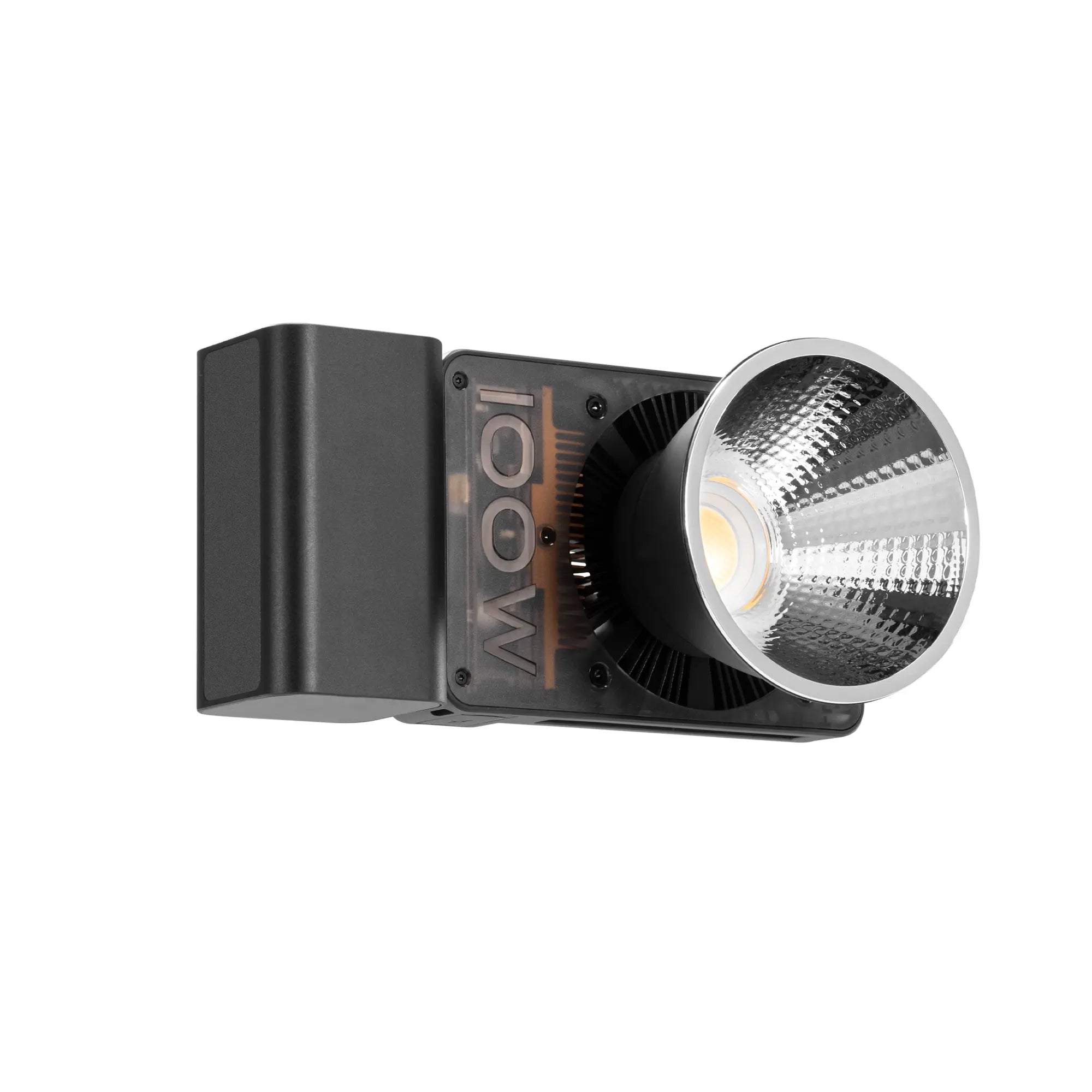
Selezionare apparecchi con una notevole potenza, compatibilità Bowens e un raffreddamento robusto per prestazioni sostenute. Lo Zhiyun Molus G200 eccelle in questo, essendo una luce COB da 200W (con picchi di 300W in modalità MAX) che eroga 9460 lux a 1 metro. La sua gamma 2700K–6500K, CRI ≥95 e TLCI ≥97 garantiscono una corrispondenza accurata con la luce del giorno. Il profilo sottile di 67.5mm, il peso di 2.209kg, il sistema di raffreddamento DynaVort e il braccio flessibile a 180° lo rendono ideale per la luce di riempimento in location. Il controllo tramite app Bluetooth via ZY Vega e l'oscuramento continuo consentono un bilanciamento preciso contro il sole forte. Con un prezzo di 379 $ con riflettore e adattatore inclusi, lo Zhiyun Molus G200 porta la potenza di uno studio cinematografico agli scatti esterni in condizioni di luce intensa.
Stabilizzazione per video esterni in condizioni di luce intensa
Gli ambienti luminosi amplificano le vibrazioni dovute al vento, al movimento o all'operazione a mano libera, rendendo la stabilizzazione essenziale per risultati professionali.
Mantenere un movimento fluido sotto forte luce
I gimbal a tre assi contrastano la torsione e le vibrazioni, offrendo panoramiche e tracciamenti cinematografici anche a tempi di posa più rapidi. I design ergonomici riducono l'affaticamento durante lunghe riprese all'aperto.
Riduzione del micro-tremolio nelle riprese a mano libera
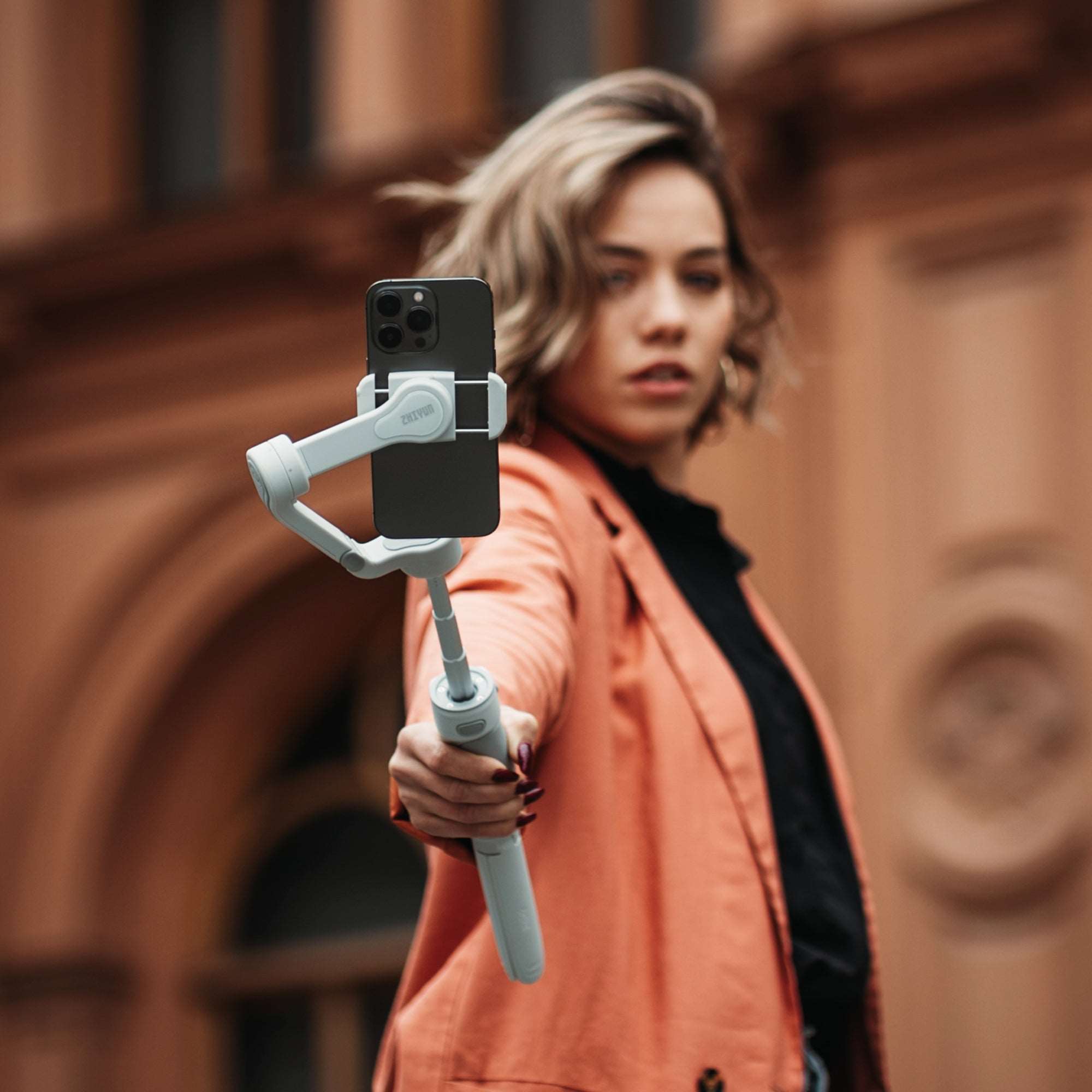
Motori e algoritmi avanzati bloccano gli orizzonti e smorzano i micro-movimenti. Le modalità a tracolla e le piastre a sgancio rapido accelerano le transizioni tra scatti statici e dinamici sotto il sole accecante.
Tracciare i soggetti in ambienti ad alto contrasto
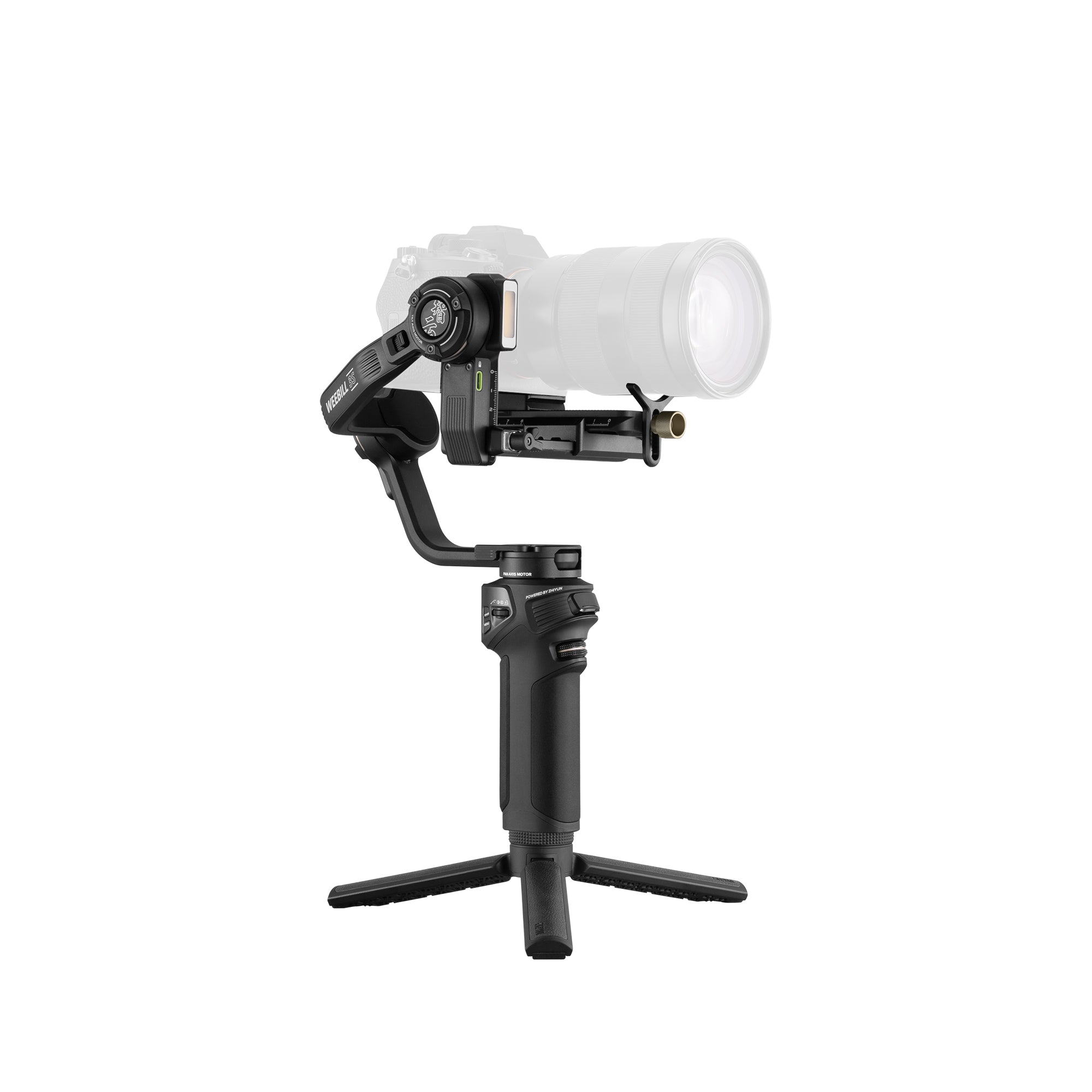
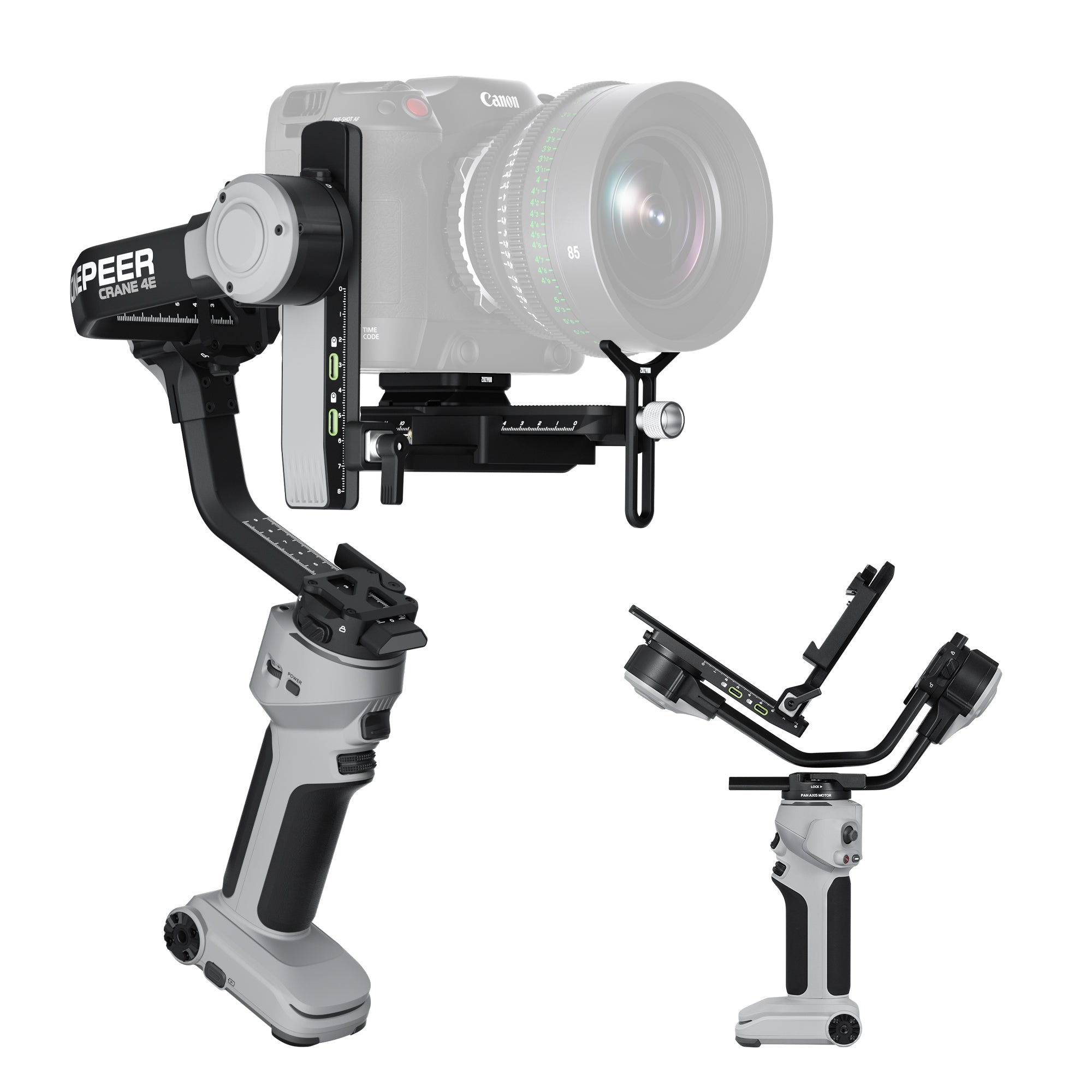
Modalità intelligenti come POV o Vortex mantengono la messa a fuoco sui soggetti in movimento nonostante l'alto contrasto confonda l'autofocus. Lo Weebill 3S e lo Weebill 3E di Zhiyun eccellono in queste condizioni. Lo Weebill 3S offre un'autonomia di 11,5 ore, ricarica rapida PD e una luce di riempimento integrata da 1000 lux con tecnologia Lumen Amplifier—perfetto per una sottile assistenza diurna. La commutazione nativa ritratto/paesaggio e gli accessori MasterMove migliorano il comfort. L'ultracompatto Weebill 3E offre una stabilizzazione simile con un peso inferiore per lavori rapidi. Entrambi supportano la maggior parte dei carichi utili mirrorless/DSLR e offrono un valore eccezionale.
Flusso di lavoro pratico per scattare in piena luce solare
Un flusso di lavoro ripetibile garantisce efficienza dalla pianificazione all'acquisizione.
Pianificazione in base alla posizione del sole
Controllare le app solari per i periodi di luce intensa e cercare luoghi con modificatori naturali. Programmare gli scatti chiave durante periodi di transizione più morbidi, quando possibile.
Configurazione rapida per le riprese all'aperto
Disimballare prima lo Zhiyun Molus G200 e il Weebill 3S o 3E. Montare la fotocamera sul gimbal, collegare la luce tramite accessori Bowens e impostare l'esposizione di base. Testare i rapporti in pochi secondi utilizzando i controlli dell'app.
Regolazione della luce durante il giorno
Monitorare i cambiamenti dell'angolo del sole e riposizionare il Molus G200 o spostarsi all'ombra. Utilizzare il display del gimbal per un feedback istantaneo. Eseguire il bracketing delle foto e registrare clip di prova per affinare al volo, salvando i preset per scenari ricorrenti di combo Zhiyun Weebill 3.
Configurazione dell'attrezzatura consigliata
Per i creatori che affrontano la luce solare intensa in ritratti, paesaggi, street o lavori commerciali, l'ecosistema Zhiyun offre una soluzione leggera e ad alte prestazioni. Abbinare una fotocamera mirrorless a uno zoom versatile o a un obiettivo a focale fissa. Centrare la stabilizzazione sul Weebill 3S (ideale per configurazioni più pesanti con la sua batteria estesa e la luce di riempimento) o sul Weebill 3E per la massima portabilità. Aggiungere lo Zhiyun Molus G200 come luce di riempimento diurna di riferimento: la sua potenza di picco di 300W, il preciso controllo bi-colore e il design portatile superano il contrasto di mezzogiorno rimanendo facili da trasportare. Il kit completo pesa meno di 5 kg, si adatta a uno zaino standard e supporta la rete Bluetooth Mesh per la coordinazione multi-luce. A prezzi accessibili — lo Weebill 3S costa circa $319–439 con accessori e il Molus G200 a $379 — questa configurazione copre le esigenze professionali all'aperto. Che si tratti di bilanciare il sole intenso in un servizio fotografico in spiaggia o di tracciare soggetti nel bagliore urbano, lo Zhiyun Molus G200 e lo Weebill 3S / Weebill 3E offrono il controllo necessario per padroneggiare con sicurezza la luce solare intensa.