










Guida alla fotografia in condizioni di scarsa illuminazione: controllo del rumore, impostazione dell'illuminazione e tecniche di stabilizzazione
La fotografia e la videografia in condizioni di scarsa illuminazione offrono opportunità creative uniche, ma anche notevoli ostacoli tecnici. Dai ritratti notturni suggestivi alle scene d'interni d'atmosfera o ai paesaggi crepuscolari, padroneggiare la scarsa illuminazione eleva lo storytelling aggiungendo profondità, emozione e intimità. Questa guida completa esplora le sfide, le impostazioni della fotocamera, le soluzioni di illuminazione artificiale, le strategie di stabilizzazione e i flussi di lavoro pratici. Si conclude con una configurazione di attrezzatura consigliata che presenta gli strumenti innovativi di Zhiyun—il Zhiyun Molus X100 RGB, Zhiyun FIVERAY M20C RGB Light e Weebill 3S o Weebill 3E—per risultati professionali portatili ovunque.
Le sfide della fotografia in condizioni di scarsa illuminazione
Le condizioni di scarsa illuminazione costringono i sensori a lavorare di più, con conseguente aumento del rumore digitale che appare come indesiderate macchie nelle immagini. La gamma dinamica si riduce, facendo scomparire i dettagli nelle ombre e bruciando facilmente le alte luci. I sistemi di autofocus faticano con il basso contrasto, portando a una messa a fuoco persa o a una costante ricerca. Le riprese a mano libera introducono sfocature a causa dei tempi di posa più lunghi necessari per raccogliere abbastanza luce, e le dominanti di colore da sorgenti miste come lampadine al tungsteno o insegne al neon complicano una resa accurata. Gli scenari esterni aggiungono variabili come movimenti imprevedibili o condizioni meteorologiche, mentre gli spazi interni spesso soffrono di illuminazione irregolare e riflessi. Le sessioni prolungate scaricano più velocemente le batterie a causa delle elevate esigenze ISO, e trasportare attrezzature pesanti diventa poco pratico per i creatori mobili. Zhiyun affronta questi problemi di petto con strumenti leggeri ed efficienti progettati specificamente per una produzione esigente in condizioni di scarsa illuminazione.

Impostazioni della fotocamera per condizioni di scarsa illuminazione
L'ottimizzazione delle impostazioni della fotocamera è la prima linea di difesa contro rumore e sfocatura. Scatta in formato RAW per conservare il massimo dei dati per la riduzione del rumore e la correzione del colore in post-produzione. Utilizza la modalità manuale per un controllo completo.
Imposta l'ISO più basso possibile—inizia a 100-800 e aumenta solo quando necessario, poiché valori più alti amplificano il rumore. I moderni sensori full-frame gestiscono meglio ISO 3200+, ma abbinali a software di riduzione del rumore. L'apertura completamente aperta (f/1.8 o f/2.8) raccoglie più luce ma riduce la profondità di campo; bilancia questo con la tua intenzione creativa. La velocità dell'otturatore dovrebbe rimanere a 1/50s o più veloce per il video (il doppio del frame rate) e 1/60s o più lenta per le foto solo con stabilizzazione.
Abilita la riduzione del rumore per esposizioni lunghe per le foto e attiva con parsimonia la riduzione del rumore ISO elevato integrata per evitare di ammorbidire i dettagli. Usa la misurazione spot sui soggetti chiave ed esponi per le alte luci per preservare i dettagli. Il bilanciamento del bianco personalizzato o la regolazione Kelvin (gamma 2500K-10000K) contrastano l'illuminazione mista. Per le riprese ibride, i mirini elettronici con istogrammi in tempo reale aiutano a monitorare l'esposizione senza il chimping. Queste impostazioni fondamentali si abbinano perfettamente all'illuminazione supplementare di Zhiyun per mantenere file puliti e di alta qualità.
Soluzioni di illuminazione artificiale per scene con poca luce
L'illuminazione continua supplementare fornisce un'illuminazione affidabile senza i limiti di congelamento dell'immagine degli strobo, consentendo un'anteprima istantanea e un'integrazione video senza soluzione di continuità. Posiziona una forte sorgente chiave per stabilire l'esposizione principale, quindi stratifica una luce di riempimento più morbida per schiarire le aree d'ombra senza appiattire l'atmosfera. Luci d'accento o di contorno aggiungono separazione e profondità, migliorando la tridimensionalità in scene altrimenti piatte. Cerca apparecchi con alti valori di fedeltà cromatica per rendere i toni della pelle e gli ambienti in modo naturale. Il funzionamento a batteria e gli ingombri compatti supportano la flessibilità di posizionamento, mentre la gestione termica silenziosa previene le interferenze audio durante la registrazione. Funzionalità avanzate come effetti sensibili al ritmo o il networking wireless consentono ai creatori di sincronizzare l'illuminazione in modo dinamico con la musica o l'atmosfera. Tali soluzioni trasformano le impegnative condizioni di scarsa illuminazione in un vantaggio artistico, consentendo di ottenere tutto, dal sottile miglioramento dell'atmosfera a audaci lavaggi di colore.
Scegliere la luce giusta per le riprese in condizioni di scarsa illuminazione
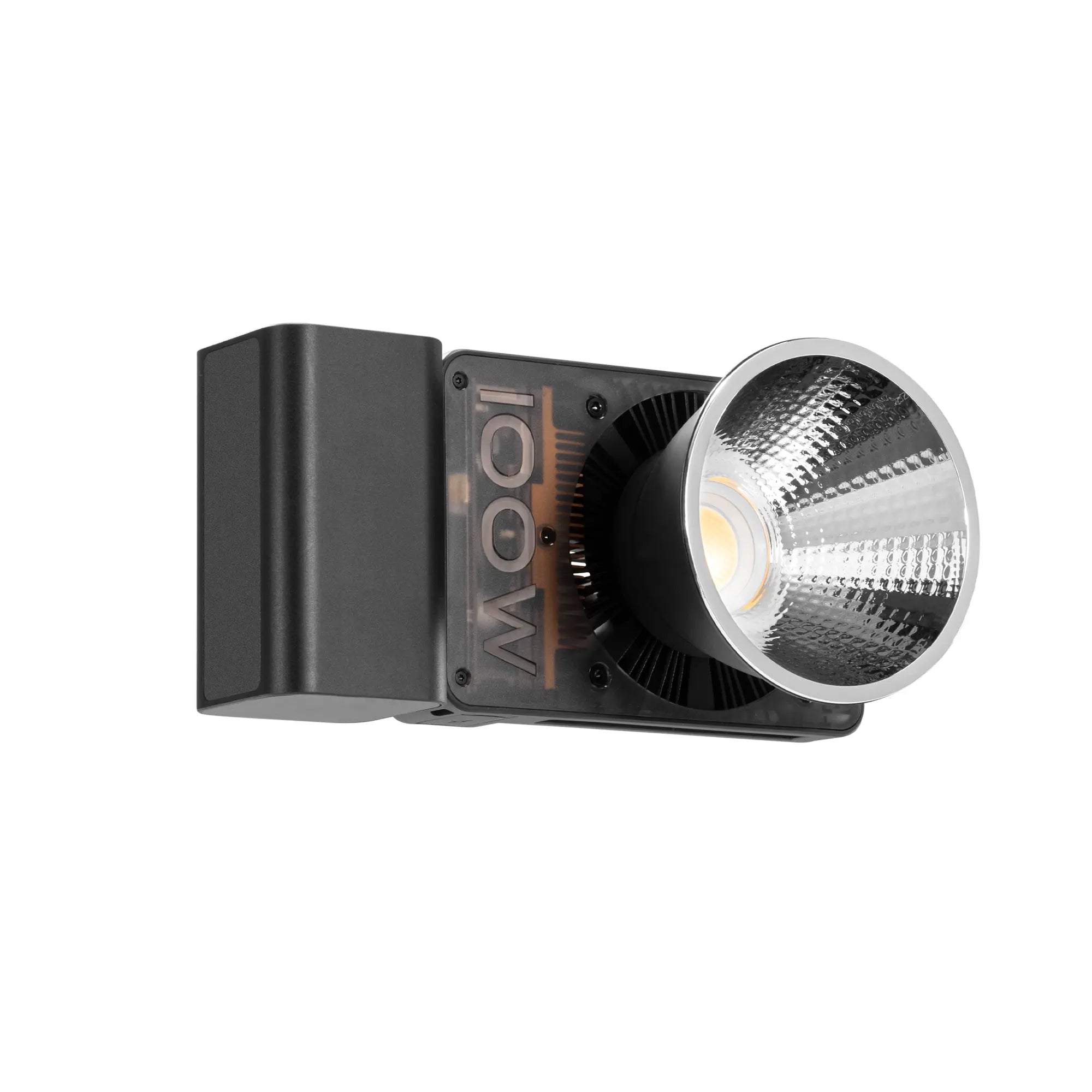
La scelta della luce ideale dipende dalle esigenze di potenza, portabilità e versatilità. Per l'illuminazione chiave primaria in condizioni difficili, un'unità da 100W offre una produzione sostanziale senza ingombro. Lo Zhiyun Molus X100 RGB si distingue come un LED COB RGB da 100W, palmare, che pesa solo 383g. Emette fino a 12.600 lux a 1 m con il Mini Riflettore (aumento di 4.3× in modalità CCT) e si abbina a luci tradizionali da 300-500 W. Coprendo 2700K-10000K con CRI ≈95 e TLCI ≈97, assicura una precisione del colore impeccabile. La modalità RGB completa con un aumento di luminosità di 3.6-5× nella miscelazione dei colori, più la registrazione del ritmo musicale per effetti automatici, lo rende perfetto per uno storytelling creativo in condizioni di scarsa illuminazione.
Per riempimento, accenti o uso on-camera, una luce tascabile leggera è perfetta. Lo Zhiyun FIVERAY M20C RGB Light è ultra-compatto a 200g e non più grande di un post-it. La sua uscita da 20W raggiunge 539 lux a 1 m (fino a 5300 lux a 0.3 m), con un range di 2500K-10000K, CRI ≥94 e TLCI ≥96. Dimmerazione HSI, regolazione integrata verde-magenta, 16 modalità FX creative (incluse 7 modalità di sincronizzazione musicale) e montaggio magnetico consentono una configurazione rapida ovunque. La batteria da 4500mAh offre 40 minuti a piena potenza, con ricarica PD per l'uso in movimento. Queste luci Zhiyun offrono il perfetto equilibrio tra potenza, controllo del colore e portabilità per scenari di scarsa illuminazione.
Strategie di stabilizzazione per video in condizioni di scarsa illuminazione
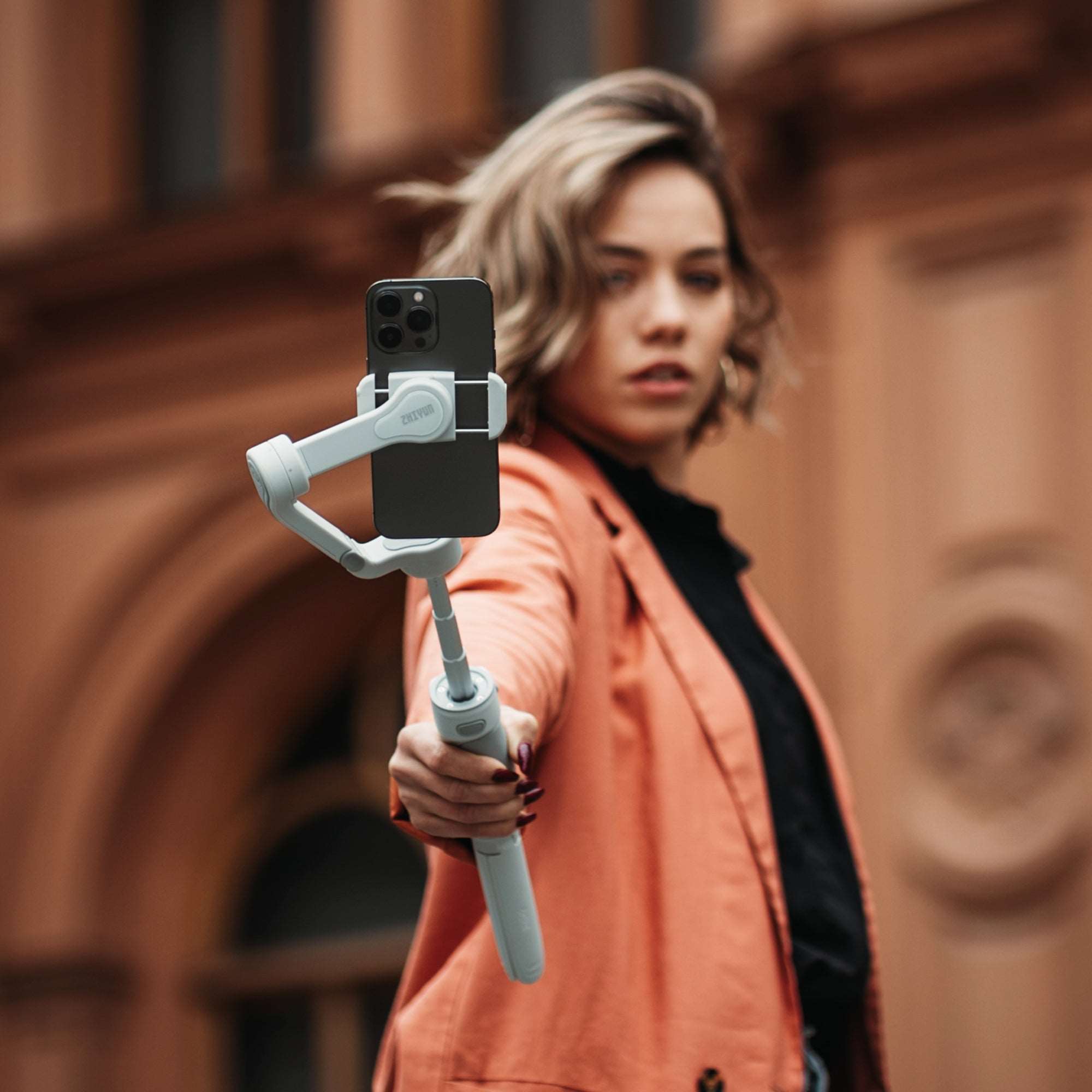
I video in condizioni di scarsa illuminazione amplificano i problemi di tremolio a causa degli otturatori più lenti. La stabilizzazione elettronica aiuta ma non può eguagliare i gimbal meccanici per una fluidità cinematografica. I gimbal a tre assi bloccano l'orizzonte, consentono panoramiche fluide e supportano riprese in movimento senza scosse.
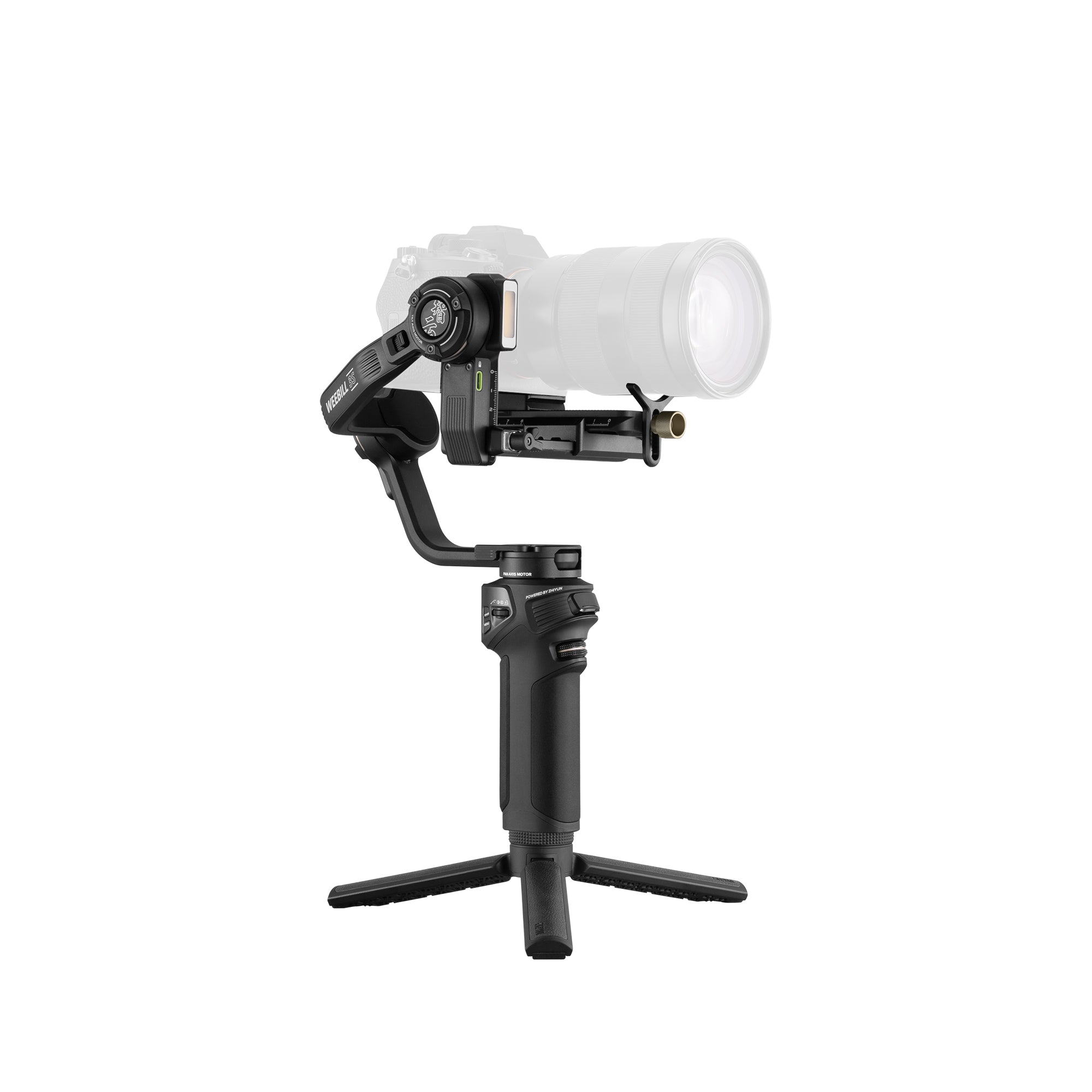
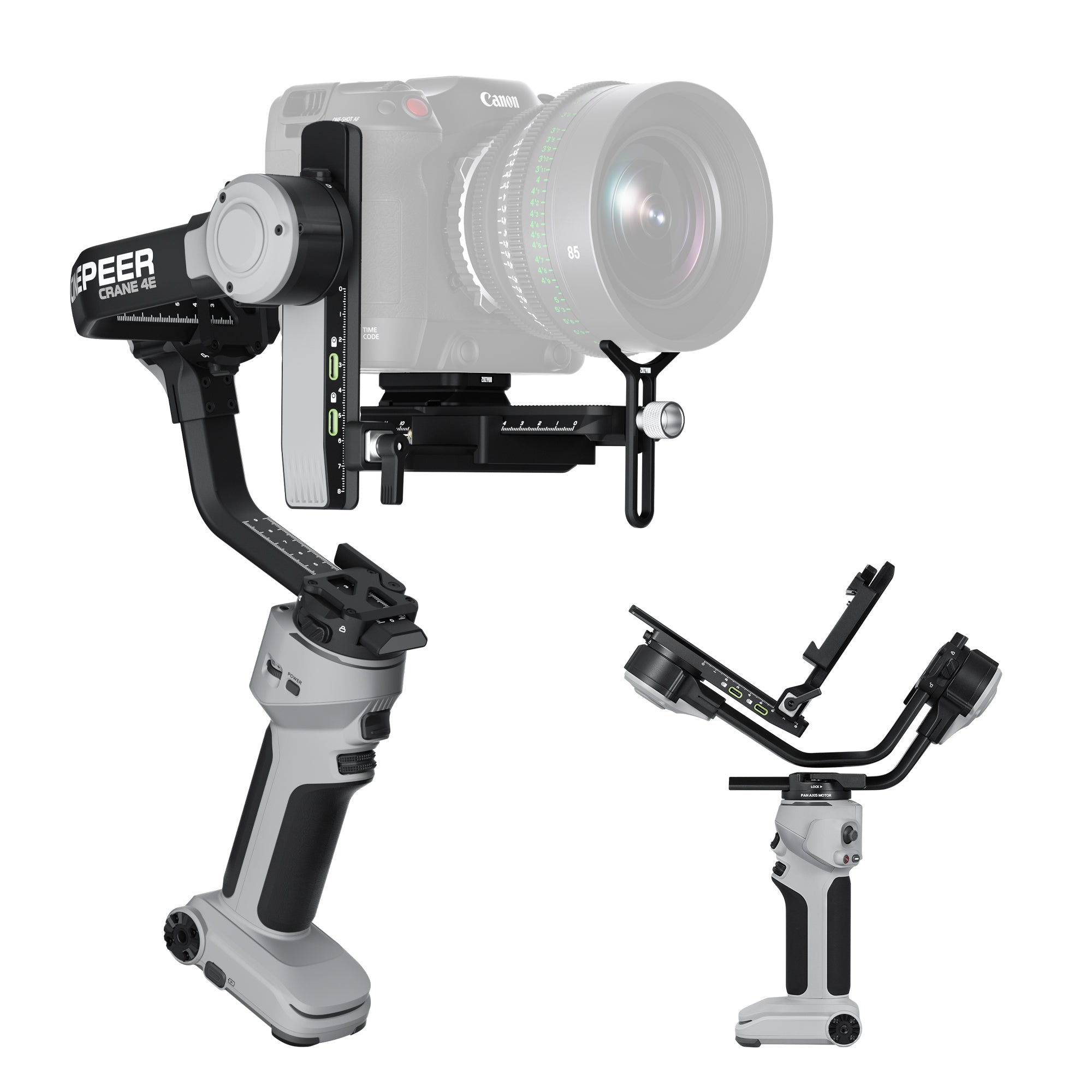
Scegli modelli leggeri con batteria a lunga durata e elevata capacità di carico per configurazioni con fotocamera e luce. Funzioni come la modalità a tracolla, il passaggio verticale/orizzontale e le luci di riempimento integrate aggiungono versatilità. L'integrazione dell'app consente il controllo wireless e modalità avanzate (Pan Follow, Lock, POV, Vortex). I modelli Weebill 3S e Weebill 3E di Zhiyun offrono una stabilizzazione professionale in forme compatte. Il Weebill 3S offre 11,5 ore di autonomia e dispone di una luce di riempimento integrata da 1000 lux (2600K–5500K, CRI 90+), supportando la maggior parte delle fotocamere DSLR e mirrorless. Con un peso di circa 1,05 kg, motori potenti e una rotazione di 360°, offre prestazioni stabili per riprese dinamiche, anche in condizioni di scarsa illuminazione.

Tecniche di ripresa in condizioni di scarsa illuminazione indoor e outdoor
Gli ambienti interni consentono un maggiore controllo ambientale: isola la luce esterna indesiderata dalle finestre, quindi utilizza il Molus X100 RGB come sorgente primaria e il FIVERAY M20C per un riempimento mirato tramite posizionamento magnetico o hot-shoe. Regola i modificatori per creare sfumature morbide o bordi nitidi, e usa la rete basata su app per regolazioni multi-luce sincronizzate. Le superfici riflettenti come le pareti possono riflettere naturalmente una sottile illuminazione. La scarsa illuminazione esterna, tuttavia, richiede portabilità resistente alle intemperie e rapida adattabilità. Sfrutta il bagliore ambientale delle luci della città o del crepuscolo come base, quindi aggiungi il compatto FIVERAY M20C per luci istantanee su soggetti o sfondi. I gimbal Weebill 3S o 3E offrono la libertà di muoversi con sicurezza contro vento o terreni irregolari, mentre le batterie compatibili con PD mantengono tutto alimentato durante sessioni notturne prolungate. In entrambi gli ambienti, testa i rapporti di illuminazione in loco e scatta esposizioni a forcella per catturare il massimo dei dettagli recuperabili.
Flusso di lavoro pratico per riprese in condizioni di scarsa illuminazione
Un flusso di lavoro strutturato garantisce efficienza. Pre-visualizza: cerca luoghi, pianifica i rapporti di luce e disegna le configurazioni. Prepara una borsa leggera—l'ecosistema compatto di Zhiyun entra in una piccola borsa.
Per prima cosa bilancia la fotocamera: imposta ISO/apertura/otturatore di base, quindi introduci le luci. Posiziona il Molus X100 RGB come luce principale, regola distanza e modificatori per il controllo delle ombre. Aggiungi il FIVERAY M20C per il riempimento o gli accenti tramite supporti magnetici o cold shoe. Monta la fotocamera su un Weebill 3S/3E per una stabilizzazione istantanea; abilita le modalità appropriate e testa il tracciamento.
Scatta fotogrammi o clip di prova, controllando istogrammi e focus peaking. Usa il controllo tramite app per modifiche in tempo reale. Cattura a raffica o video continuo, rivedendo su un monitor calibrato. In post-produzione, applica riduzione del rumore, color grading e un leggero dodging per affinare l'atmosfera. Salva i preset nell'app ZY per configurazioni Zhiyun ripetibili. Questo processo semplificato minimizza i tempi morti e massimizza la produzione creativa.
Configurazione di attrezzatura consigliata
Per padroneggiare la scarsa illuminazione senza compromettere la mobilità, Zhiyun offre un trio imbattibile. Abbina una fotocamera mirrorless full-frame (compatibile con il carico utile) a un obiettivo fisso luminoso (f/1.4-f/2.8). Aggiungi il gimbal Weebill 3S o Weebill 3E per la stabilizzazione: il 3S, con la sua batteria da 11,5 ore e la luce di riempimento integrata, gestisce attrezzature più pesanti, mentre il 3E offre una comodità ultra-compatta. Entrambi supportano le modalità a tracolla e l'integrazione con l'app per video fluidi in condizioni di scarsa illuminazione.
L'illuminazione principale proviene dallo Zhiyun Molus X100 RGB come luce chiave principale—383 g, 100 W di potenza, raffreddamento silenzioso Dynavort e doppi attacchi ZY/Bowens per i modificatori. La sua batteria da 34 minuti a piena potenza (impugnatura staccabile) e il controllo Bluetooth ti consentono di scattare senza interruzioni. Completa con il Zhiyun FIVERAY M20C RGB Light per riempimento ed effetti: una "pocket rocket" da 200 g con montaggio magnetico, autonomia di 40 minuti e 16 modalità creative. Il peso totale del kit rimane sotto i 3 kg, entrando facilmente in uno zaino.
Offerto a un prezzo accessibile, questo kit Zhiyun include accessori essenziali come riflettori, caricabatterie e cavi PD. Sia che tu stia catturando ritratti in interni, scene notturne all'aperto o contenuti ibridi, offre un funzionamento senza rumore, colori precisi e una stabilizzazione estremamente fluida. Integra questi strumenti Zhiyun nel tuo kit e sblocca risultati professionali in condizioni di scarsa illuminazione con sicurezza e creatività.