










Fotografia con illuminazione mista: bilanciare più fonti di luce per colori ed esposizione accurati
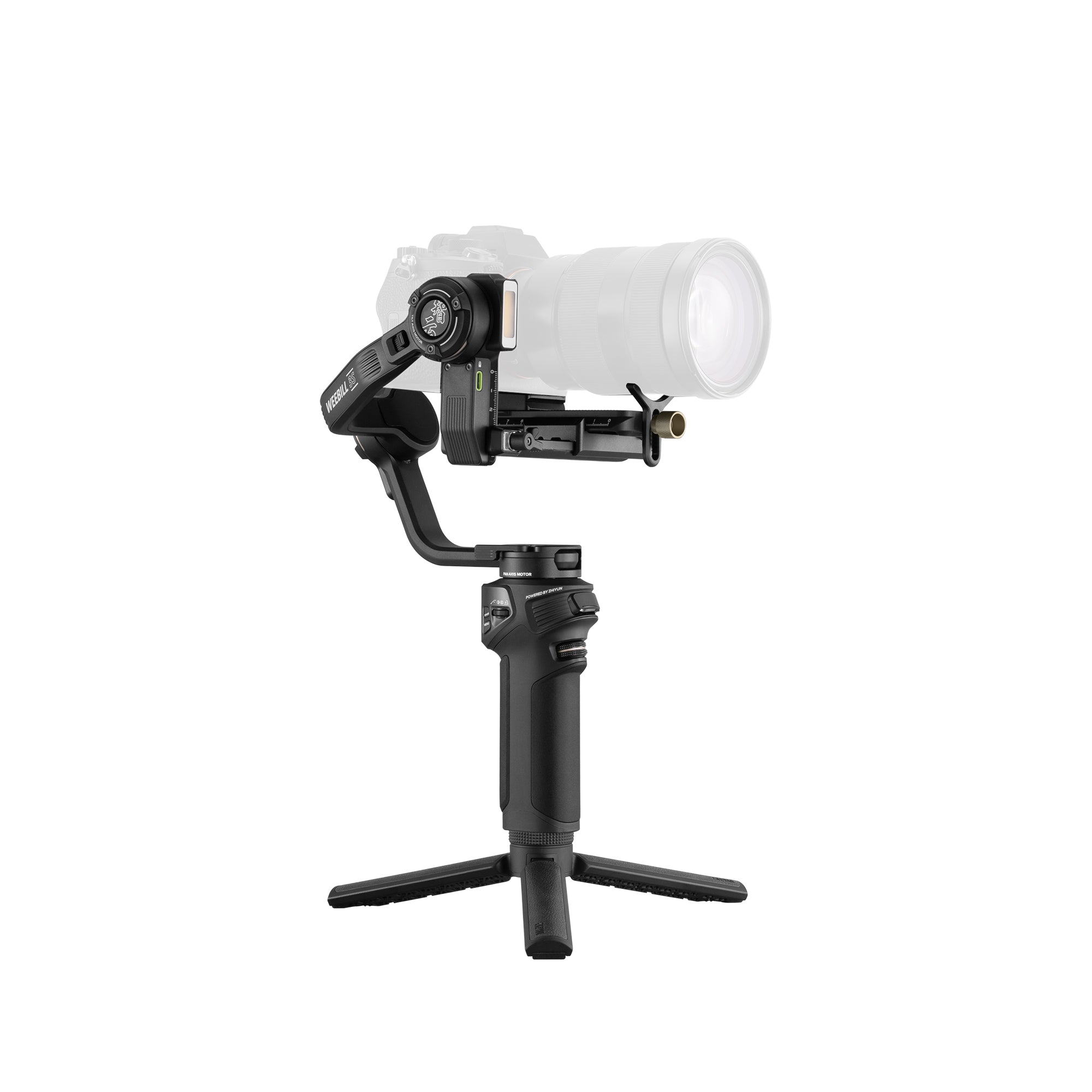
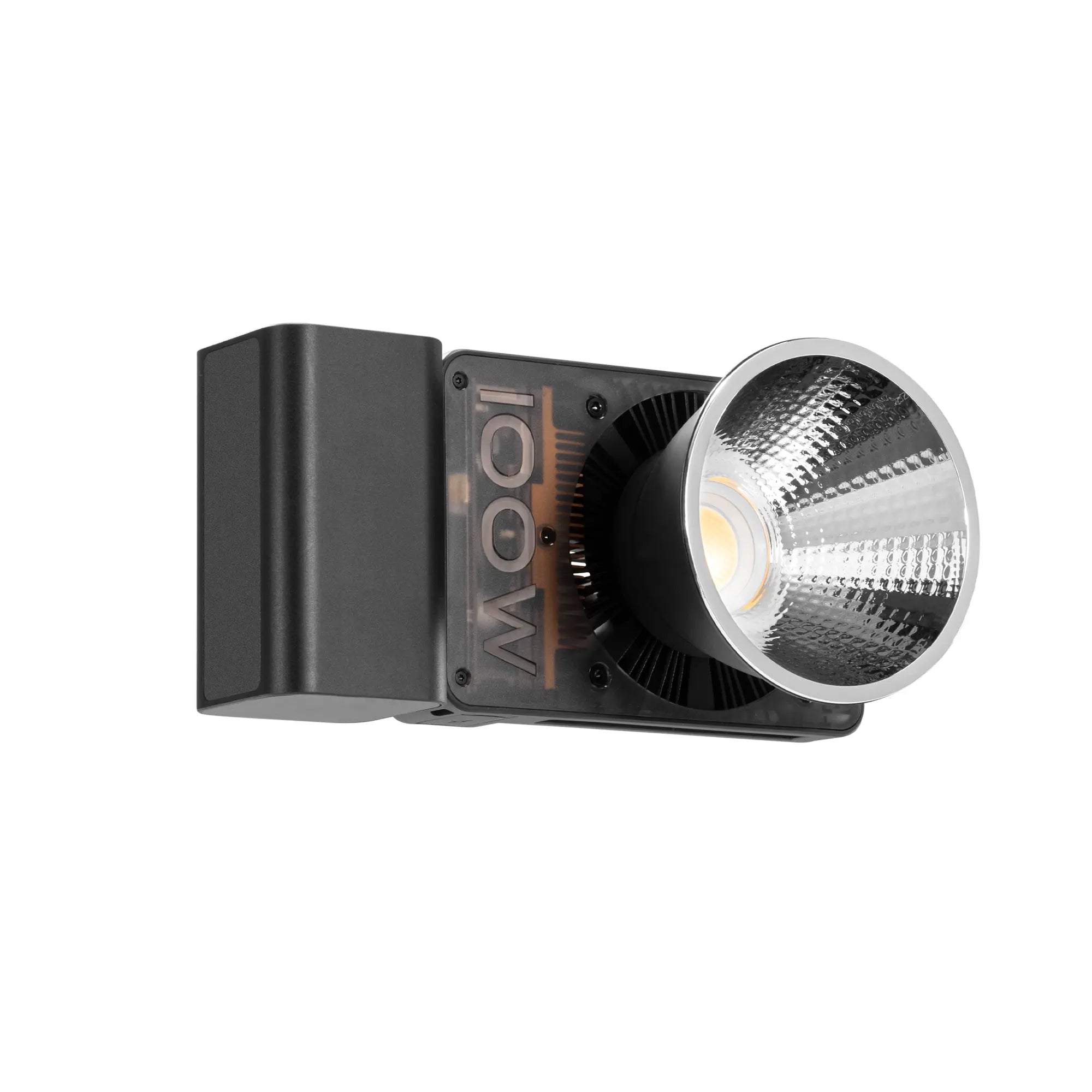
La fotografia e la videografia con illuminazione mista sfidano i creatori con dominanti di colore e variazioni di esposizione imprevedibili, eppure padroneggiarle sblocca immagini ricche e professionali per ritratti, scatti di prodotti, fotografia di alimenti e scene di strada. Sia che si tratti di mescolare la luce diurna della finestra con l'illuminazione a tungsteno interna o le insegne al neon con apparecchiature LED, la chiave sta nel controllo deliberato. Questa guida esplora i fondamentali dell'illuminazione mista, le tecniche di bilanciamento, le strategie della fotocamera e la stabilizzazione per video fluidi. Mette in evidenza le soluzioni portatili di Zhiyun—il Weebill 3S / Weebill 3E, Zhiyun Molus X100 RGB, e Zhiyun FIVERAY M20C—per offrire colori accurati e risultati fluidi in ambienti dinamici.
Cos'è l'illuminazione mista in fotografia
L'illuminazione mista si verifica quando due o più sorgenti con temperature di colore o intensità diverse illuminano la stessa scena. Si presenta in contesti quotidiani e richiede un rapido adattamento per prevenire toni sbiaditi o esposizioni incoerenti.
Scenari comuni di luce mista (interno + luce finestra, neon + LED)
Le riprese in interni spesso combinano la luce diurna fredda della finestra (circa 5500K–6500K) con lampadine a tungsteno più calde (2700K–3200K) o pratiche lampade LED. La fotografia di strada mescola insegne al neon, LED di vetrine e la luce ambientale del cielo. Il lavoro teatrale o per eventi sovrappone gel colorati ai faretti e alle luci di scena. Questi scenari creano palette vibranti ma incoerenti che richiedono correzioni per lavori commerciali o editoriali in progetti di matrimonio, bellezza o riviste.
Perché l'illuminazione mista causa incoerenza cromatica
Diverse sorgenti emettono lunghezze d'onda variabili, confondendo il bilanciamento automatico del bianco e i sensori. Il risultato è una frangiatura del colore, tonalità della pelle verdastre o dominanti arancioni su oggetti neutri. L'esposizione varia tra le zone, con un'area sovraesposta mentre un'altra cade in ombra. Nel video, le transizioni tra le zone di illuminazione causano sfarfallio o improvvisi spostamenti, rompendo l'immersione. Zhiyun affronta questi problemi con strumenti RGB compatti che semplificano la correzione sul posto.
Comprendere la temperatura del colore e le sorgenti luminose
La temperatura del colore, misurata in Kelvin, definisce il calore o la freddezza di una luce. Abbinare o contrastare creativamente questi valori è essenziale per risultati equilibrati.
Luce diurna vs. tungsteno vs. illuminazione a LED
La luce diurna registra 5000K–6500K con una dominante blu, ideale per una resa naturale della pelle ma dura se mescolata con sorgenti più calde. Il tungsteno (incandescente) si attesta a 2700K–3200K, proiettando toni dorati che sono lusinghieri ma si scontrano con la luce diurna più fredda. I LED moderni coprono ampi intervalli ma variano in qualità; i modelli ad alto CRI mantengono la coerenza, mentre quelli economici introducono spostamenti verde-magenta.
Come le diverse sorgenti luminose influenzano il tono della pelle e gli oggetti
La luce diurna esalta la vivacità ma può sbiadire i toni caldi. Il tungsteno aggiunge un calore lusinghiero ai ritratti ma opacizza i colori freddi dei prodotti. I LED offrono flessibilità ma possono avere picchi in specifiche tonalità, influenzando le texture degli alimenti o la precisione del trucco. Identificare questi effetti consente ai creatori di neutralizzare dominanti indesiderate preservando l'atmosfera.
Identificazione delle sorgenti luminose dominanti e secondarie
Misurare la scena per determinare la sorgente più forte—spesso la luce diurna attraverso le finestre o l'apparecchio artificiale più luminoso. Trattare le luci secondarie come accenti o riempimenti. Le luci Zhiyun come lo Zhiyun Molus X100 RGB servono potentemente come luce chiave dominante, mentre il compatto Zhiyun FIVERAY M20C gestisce la correzione secondaria con facilità.

Tecniche per bilanciare l'illuminazione mista
Un bilanciamento efficace combina regolazioni tecniche con scelte di illuminazione creative.
Corrispondenza della temperatura del colore tra le sorgenti luminose
Impostare tutti gli apparecchi su un valore Kelvin comune o usare gel per spostare le tonalità. Per lavori ibridi indoor-outdoor, raffreddare i LED per abbinarli alla luce diurna o riscaldarli per fonderli con il tungsteno.
Utilizzo di gel e illuminazione RGB per la correzione
I gel tradizionali filtrano la luce ma aggiungono ingombro. Gli apparecchi RGB eliminano questo problema impostando tonalità e intensità esatte. Lo Zhiyun FIVERAY M20C è dotato di controllo verde-magenta e regolazione HSI integrati, oltre al riconoscimento automatico del colore tramite l'app ZY Vega per un abbinamento istantaneo alle sorgenti esistenti.
Regolazione del bilanciamento del bianco per colori accurati
Il bilanciamento del bianco personalizzato su una scheda grigia neutralizza le dominanti prima dello scatto. In zone miste, creare un preset bilanciato che favorisca la sorgente dominante sollevando le aree secondarie.
Utilizzo dell'illuminazione RGB per il controllo creativo e correttivo
Le luci RGB trasformano l'illuminazione mista da problema a opportunità, e la gamma di prodotti Zhiyun rende questo controllo veramente portatile.
Quando neutralizzare l'illuminazione mista
Nel lavoro commerciale di prodotti o ritratti, neutralizzare per colori puliti e accurati. Lo Zhiyun Molus X100 RGB fornisce una correzione ad alta potenza e ampia gamma come sorgente primaria, garantendo tonalità della pelle coerenti in tutti i fotogrammi.

Quando utilizzare l'illuminazione mista in modo creativo
Abbraccia il contrasto per un tocco artistico nella fotografia di strada o di scena. Stratifica colori complementari per la profondità—luce di bordo fredda contro luce chiave calda—usando i 16 modalità FX dello Zhiyun FIVERAY M20C, inclusa la sincronizzazione musicale per eventi dinamici.
Costruzione di ambienti colore controllati
Combina più unità RGB tramite la rete Bluetooth Mesh. Il montaggio magnetico e le dimensioni tascabili (200 g, 7,8×7,8×3,6 cm) dello Zhiyun FIVERAY M20C consentono un rapido posizionamento su pareti o veicoli, creando configurazioni immersive per video di cibo, pubblicità o bellezza con l'efficienza Zhiyun.
Impostazioni della fotocamera per condizioni di illuminazione mista
Le impostazioni intelligenti preservano la flessibilità in luce variabile.
Bilanciamento del bianco manuale vs. bilanciamento automatico del bianco
Il bilanciamento automatico del bianco spesso fallisce in scene miste, producendo risultati incoerenti tra gli scatti. Il Kelvin manuale o i preset personalizzati bloccano la precisione, specialmente quando si transita tra le zone.
Scattare in RAW per la flessibilità del colore
I file RAW catturano tutti i dati del sensore, consentendo il recupero in post-produzione delle dominanti di colore e dell'esposizione senza perdita di qualità—cruciale per flussi di lavoro ibridi di foto e video.
Strategie di esposizione per scene multi-luce
Usare la misurazione spot sul soggetto chiave ed esporre per i toni medi. Effettuare un bracketing delle esposizioni o utilizzare l'HDR per gamme estreme. Le luci Zhiyun come lo Zhiyun Molus X100 RGB aiutano, con la loro precisa regolazione dell'intensità, a mantenere un'illuminazione uniforme su tutto il fotogramma.
Stabilizzazione per la produzione video con illuminazione mista
Il video in luce mista richiede un movimento costante per evitare di attirare l'attenzione sui cambiamenti di colore.
Mantenere la coerenza tra le zone di illuminazione
I gimbal prevengono le vibrazioni che potrebbero esagerare i cambiamenti di esposizione durante la panoramica tra le sorgenti.
Movimento fluido tra le sorgenti luminose
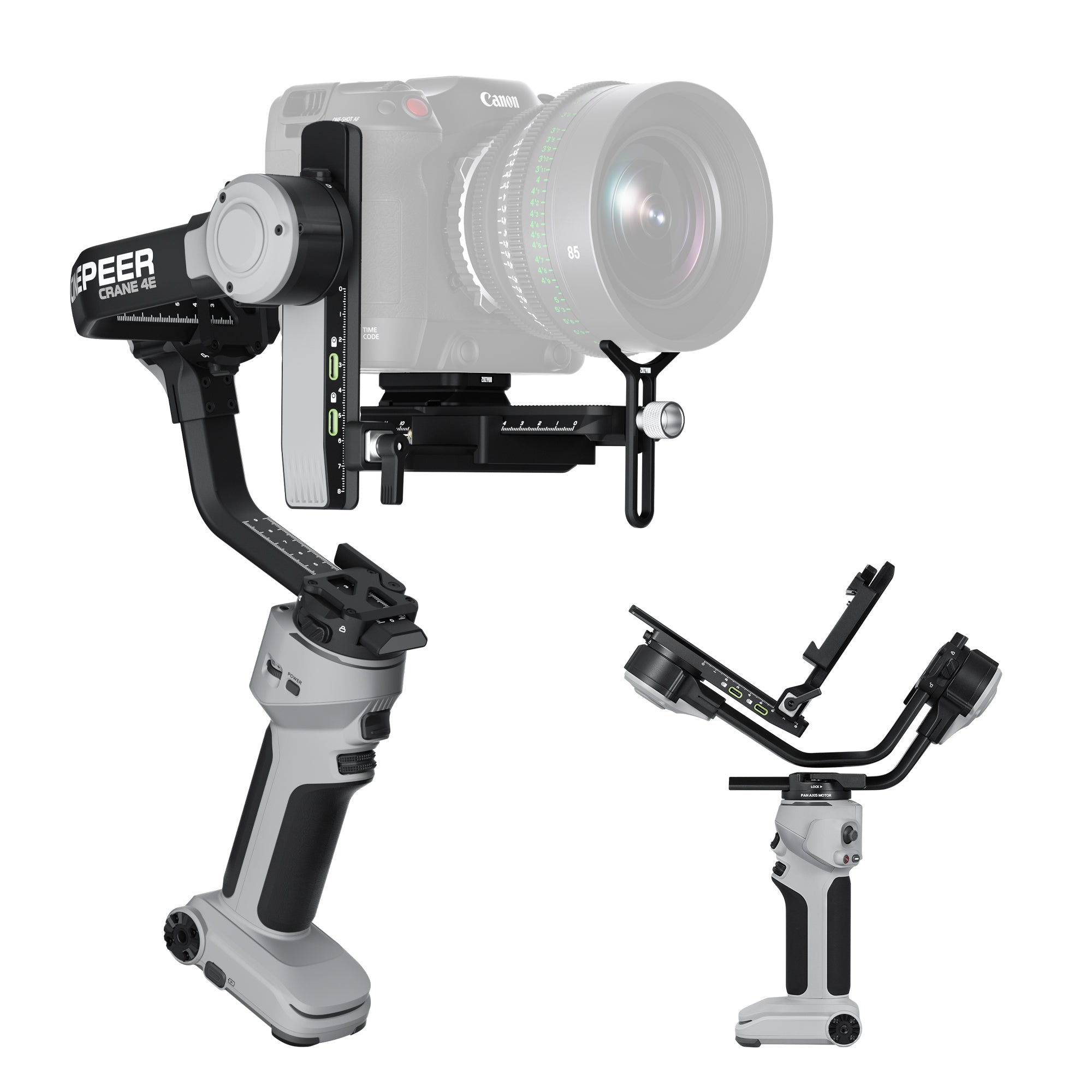
La stabilizzazione a tre assi garantisce transizioni fluide, mantenendo gli orizzonti livellati e la messa a fuoco coerente. I Weebill 3S e Weebill 3E di Zhiyun eccellono con accessori ergonomici MasterMove che riducono lo sforzo fino al 25% durante le riprese prolungate.
Evitare sfarfallio e spostamenti di esposizione
La stabilizzazione elettronica si abbina a frame rate elevati e controllo dell'otturatore. Lo Zhiyun Weebill 3S (319 $) offre un robusto supporto per il carico utile e una lunga autonomia, mentre lo Zhiyun Weebill 3E (249 $) offre una comodità ultra-compatta per l'illuminazione mista "run-and-gun". Entrambi possono mantenere la fluidità in scenari che coinvolgono ambienti a colore variabile.

Flusso di lavoro pratico per la fotografia con illuminazione mista
Un approccio strutturato garantisce un successo ripetibile con l'attrezzatura Zhiyun.
Configurazione passo-passo per scene controllate
Esplorare il luogo e identificare tutte le sorgenti luminose. Accendere lo Zhiyun Molus X100 RGB come luce chiave e lo Zhiyun FIVERAY M20C per il riempimento o gli accenti. Montare la fotocamera sul Weebill 3S o 3E.
Valutazione delle sorgenti luminose prima dello scatto
Utilizzare l'app ZY Vega per l'analisi del colore in tempo reale. Misurare le sorgenti dominanti e secondarie, quindi regolare Kelvin e intensità.
Test e regolazione del bilanciamento dell'illuminazione
Catturare scatti di prova o brevi clip, controllando istogrammi e tonalità della pelle. Regolare finemente tramite i controlli dell'app o il riposizionamento magnetico dello Zhiyun FIVERAY M20C. Salvare i preset per un rapido richiamo nei flussi di lavoro ricorrenti del gimbal Weebill 3. Questo metodo supporta condizioni dinamiche, statiche, interne, esterne o miste estreme in riprese di matrimonio, ritratto, palco e strada.
Configurazione dell'attrezzatura consigliata
L'ecosistema Zhiyun offre un controllo professionale dell'illuminazione mista in un pacchetto leggero e adatto ai viaggi. Abbinare una fotocamera mirrorless con un obiettivo versatile. Centrare la stabilizzazione sul Weebill 3S per rig più pesanti o sul Weebill 3E per la portabilità—entrambi lodati nelle recensioni dei gimbal Zhiyun Weebill per la facilità d'uso. Per l'illuminazione, utilizzare lo Zhiyun Molus X100 RGB (269 $) come luce chiave ad alta potenza con funzionalità RGB complete e uscita precisa per il bilanciamento della sorgente dominante. Complementarlo con lo Zhiyun FIVERAY M20C (129 $) — la soluzione RGB tascabile definitiva da 200 g con regolazione HSI, regolazione verde-magenta, 16 modalità FX e montaggio magnetico per una correzione secondaria istantanea. Il kit completo pesa meno di 3 kg, supporta Bluetooth Mesh per il coordinamento multi-luce e si adatta facilmente a una borsa per il lavoro in loco. Sia che si tratti di neutralizzare i mix tungsteno-luce diurna nei ritratti interni o di stratificare creativamente il neon nei video di strada, questa combinazione di prodotti Zhiyun consente colori accurati, riprese stabili e libertà creativa. Eleva i tuoi progetti di illuminazione mista con gli strumenti di illuminazione e stabilizzazione di Zhiyun progettati per i creatori del mondo reale.