










Configurazione illuminazione per fotografia di prodotto e video e-commerce
Nell'e-commerce, l'illuminazione giusta può fare la differenza tra un prodotto che vende e uno che passa inosservato. Sia che si tratti di catturare un'unica immagine di punta per un negozio online o di produrre brevi video per i social media e i marketplace, l'illuminazione influisce direttamente sull'aspetto professionale, accattivante e fedele alla realtà dei tuoi prodotti. Capire come impostare l'illuminazione per la fotografia di prodotto ti assicura che le tue immagini e i tuoi video mettano in risalto texture, colore e dettagli in modo accurato, aiutando i tuoi prodotti a distinguersi e a costruire la fiducia dei clienti.
La logica fondamentale dietro l'illuminazione per la fotografia di prodotto
Un'efficace illuminazione per la fotografia di prodotto inizia con un principio: la chiarezza prima della creatività. A differenza dell'illuminazione per ritratti o cinematografica, l'illuminazione per i prodotti deve privilegiare la riproduzione accurata di forma, texture e colore. I clienti si affidano interamente alle informazioni visive per prendere decisioni di acquisto, quindi l'illuminazione dovrebbe rimuovere l'incertezza piuttosto che aggiungere drammaticità.
Per le immagini e i video e-commerce, questa logica si traduce solitamente in tre requisiti:
- Luminosità costante sulla superficie del prodotto
- Punti luce controllati che rivelano la qualità del materiale
- Ombre pulite che definiscono la forma senza distrazioni
È qui che l'illuminazione continua per la fotografia diventa essenziale. A differenza del flash, le luci continue consentono ai creatori di vedere esattamente come la luce interagisce con il prodotto in tempo reale. Le regolazioni dell'angolazione, della distanza o dei modificatori sono immediate, rendendo i flussi di lavoro più veloci e prevedibili, specialmente per i team che producono un elevato volume di SKU.
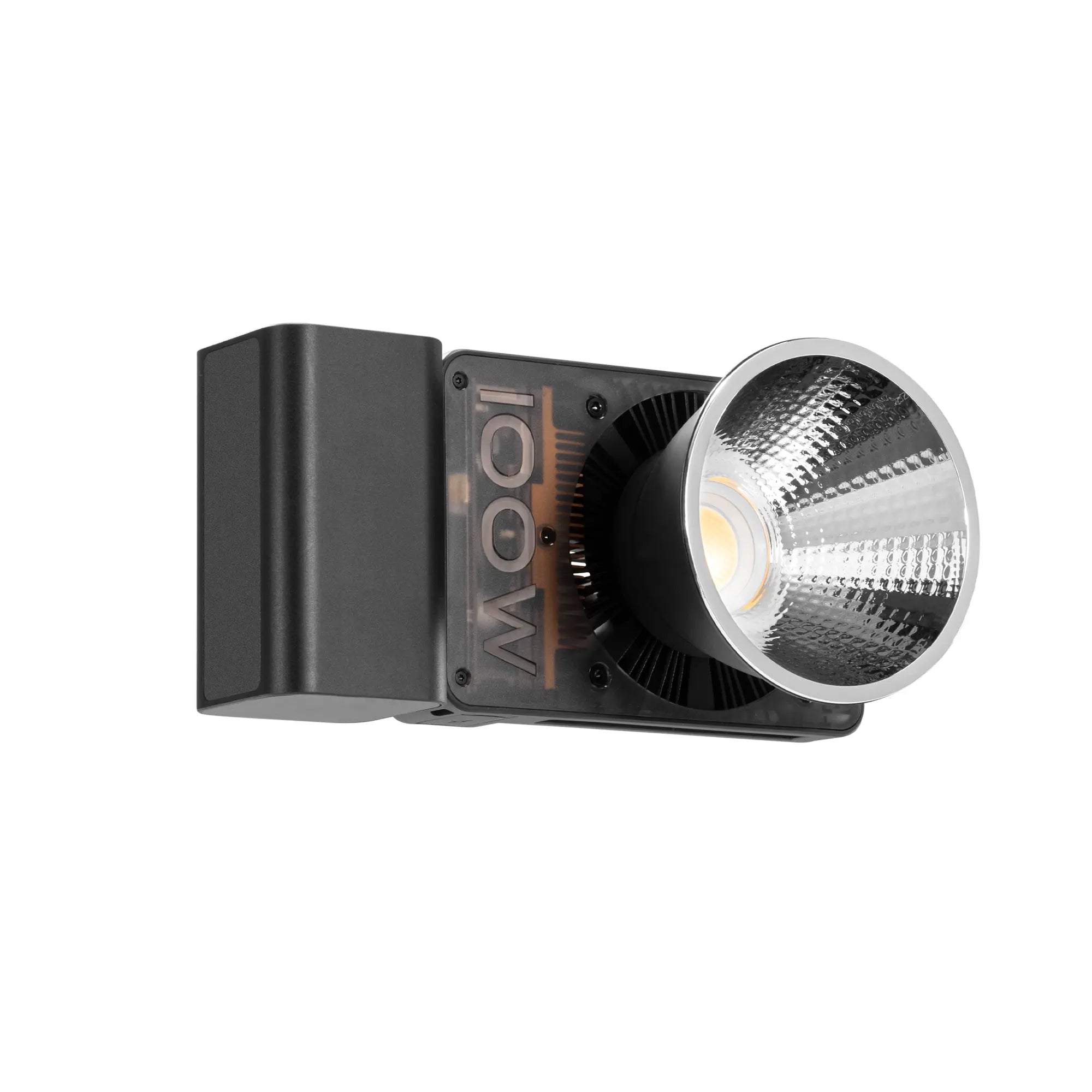
Zhiyun G200 e G300 sono progettate per questo tipo di ambiente. Come luci continue ad alta potenza, forniscono un'illuminazione stabile adatta sia alla fotografia che al video, contribuendo a mantenere la coerenza visiva tra cataloghi e campagne.

Ottenere una luce soffusa per la fotografia di prodotto senza complicare eccessivamente l'allestimento
La luce soffusa per la fotografia di prodotto non riguarda una luce debole, ma una diffusione controllata. La luce soffusa riduce le ombre dure, minimizza i riflessi indesiderati e crea un'atmosfera visiva più raffinata, specialmente per prodotti riflettenti o testurizzati come cosmetici, elettronica o imballaggi.
La morbidezza della luce dipende da due fattori:
1. Dimensione della sorgente luminosa rispetto al prodotto
2. Distanza tra luce e soggetto
L'utilizzo di una luce potente come la G200 o la G300 ti offre flessibilità. Grazie alla loro riserva di potenza, puoi abbinarle a softbox, cupole di diffusione o riflettori senza sacrificare l'esposizione. Questo è fondamentale negli allestimenti da tavolo, dove lo spazio è limitato ma la qualità della luce deve rimanere elevata.
Per prodotti di piccole e medie dimensioni:
- Una G200 con un softbox posizionato con un'angolazione di 45 gradi offre punti luce uniformi e naturali
- Per prodotti o scene più grandi che richiedono maggiore profondità, la G300 fornisce una potenza maggiore, mantenendo la morbidezza anche con modificatori più grandi.
La luce soffusa gioca un ruolo chiave anche nei video e-commerce. Quando si riprendono prodotti rotanti o brevi clip di lifestyle, una luce continua soffusa garantisce transizioni fluide ed esposizione costante tra i fotogrammi.
Illuminazione per prodotti da tavolo scalabile da un SKU a centinaia
L'illuminazione per prodotti da tavolo è il fondamento della maggior parte degli studi e-commerce. Deve essere compatta, ripetibile e facile da regolare man mano che le dimensioni dei prodotti cambiano. L'errore più grande che i marchi commettono è quello di costruire un allestimento che funziona solo per un tipo di prodotto.
Un allestimento da tavolo scalabile include tipicamente:
- Una luce chiave per forma ed esposizione
- Una luce di riempimento o riflettore per controllare il contrasto
- Opzionale luce di sfondo o controluce per la separazione

È qui che il design compatto e la compatibilità con l'attacco Bowens delle G200 e G300 diventano vantaggi pratici. Puoi iniziare con un allestimento minimale ed espandere man mano che il tuo catalogo cresce, senza sostituire la tua luce principale.
Ad esempio:
- Una singola G200 gestisce flat lay, piccoli accessori e imballaggi.
- L'aggiunta di una seconda G200 o l'aggiornamento a una G300 consente l'illuminazione di sfondo, il controluce o cicli di ripresa più veloci.
Poiché queste luci sono continue, il passaggio tra foto e video non richiede il cambio di attrezzatura, un importante guadagno di efficienza per i piccoli team.
Illuminazione continua a luce singola vs. multi-luce per la fotografia
Quando si pianifica l'illuminazione continua per la fotografia, molti venditori si chiedono se una luce sia sufficiente. La risposta dipende dagli obiettivi di produzione, non solo dal budget.
1. Allestimento a luce singola
Ideale per:
- Startup
- Inserzioni Amazon
- Stili di prodotto minimalisti
Una singola G200 abbinata a diffusori e riflettori può produrre risultati professionali per la maggior parte dei prodotti di piccole dimensioni. Questo allestimento enfatizza velocità, semplicità ed efficienza dei costi.
2. Allestimento a due luci
Ideale per:
- Siti web di marca
- Lanci di prodotti premium
- Flussi di lavoro video + foto
Combinare una G200 come luce di riempimento con una G300 come luce chiave offre un maggiore controllo sul contrasto e sulla separazione dello sfondo. Questo è particolarmente utile per prodotti più scuri o superfici lucide dove la definizione della forma è importante.
3. Espansione multi-luce
Man mano che la tua attività si espande, l'aggiunta di luci consente:
- Illuminazione consistente su più stazioni di ripresa
- Illuminazione di sfondo dedicata
- Angoli creativi per brevi video e-commerce
Poiché G200 e G300 appartengono allo stesso ecosistema di illuminazione, l'espansione rimane semplice ed economica.
Perché G200 e G300 offrono un valore a lungo termine per i creatori di prodotti
Dal punto di vista commerciale, l'illuminazione non è solo una spesa, ma un'infrastruttura. Il valore di G200 e G300 risiede nella loro utilità a lungo termine man mano che le esigenze di produzione evolvono.

Punti di forza chiave allineati all'uso nell'e-commerce:
- Illuminazione continua ad alta potenza adatta per foto e video
- Fattore di forma compatto per spazi da tavolo e piccoli studi
- Compatibilità con modificatori per modellare luce soffusa o direzionale
- Configurazioni espandibili senza cambiare sistema
Per i venditori che producono contenuti settimanalmente, o quotidianamente, l'affidabilità e l'efficienza del flusso di lavoro contano più delle specifiche teoriche. Queste luci sono costruite per gestire un uso ripetuto, lunghe sessioni di ripresa e mutevoli esigenze creative.
Combinazioni di illuminazione consigliate per diverse dimensioni aziendali
| Specifica | Molus G200 | Molus G300 |
|---|---|---|
| Categoria Prodotto | Luce COB di grado cinematografico | Luce COB ad alta luminosità |
| Potenza in uscita normale | 200W | 300W |
| Modalità Estrema MAX | Fino a 300W di picco | Overclockabile fino a 500W |
| Sistema di raffreddamento | DynaVort Cooling System™ | DynaVort™ Cooling System MKⅡ |
| Intervallo di temperatura colore | 2700K–6500K | Temperatura colore regolabile |
| Metodo di controllo | Supportato tramite App ZY Vega (Bluetooth Mesh) | Supportato tramite App ZY Vega (Bluetooth) |
| Compatibilità attacco/accessori | Accessori Bowens-mount supportati | Accessori Bowens-mount supportati |
| Modalità professionali | Modalità Normal / Live / Music | Modalità Live e orchestrazione multi-luce supportate |
| Note sull'esperienza utente | Braccio di regolazione flessibile, integrazione universale con slot per ombrello | Impostazioni regolabili al volo e controllo della configurazione multi-luce |
Venditori singoli e piccoli negozi
- 1× G200
- Softbox + riflettore
- Ideale per inserzioni di prodotti e brevi video
Marchi in crescita
- 1× G300 + 1× G200
- Softbox + luce di sfondo
- Soluzione bilanciata per cataloghi e contenuti di marketing
Team di e-commerce consolidati
- Diverse unità G300
- Illuminazione chiave, di riempimento e di sfondo dedicata
- Flussi di lavoro efficienti per riprese multi-angolo
Errori comuni nell'illuminazione per la fotografia di prodotto e come evitarli
Anche con una buona attrezzatura, i risultati ne risentono se i fondamentali vengono ignorati. I problemi comuni includono:
- Eccessiva illuminazione del prodotto, che causa la perdita di texture
- Luce dura senza diffusione, che porta a riflessi aggressivi
- Illuminazione incoerente tra gli scatti, che riduce la fiducia nel marchio
- Luci sottoalimentate, che costringono a ISO elevati o a flussi di lavoro lenti
L'utilizzo di luci continue sufficientemente potenti come la G200 e la G300 aiuta a prevenire questi problemi, specialmente se abbinate a modificatori adeguati e a un posizionamento costante.
Considerazioni finali
Un'ottima illuminazione del prodotto non deve essere complicata, ma deve essere intenzionale. Comprendendo la logica alla base dell'illuminazione per la fotografia di prodotto, applicando la luce soffusa per la fotografia di prodotto e costruendo un'illuminazione per prodotti da tavolo scalabile, i venditori possono creare immagini che supportano veramente le vendite.
Con Zhiyun G200 e G300, non stai solo scegliendo delle luci: stai scegliendo un sistema che cresce con la tua attività, supporta sia la fotografia che il video e offre risultati coerenti su tutte le piattaforme.