










Votre panier
Votre panier est vide
News


Top 6 ZHIYUN Accessories for Mastering Cinematic Shots
May 13, 2024
Whether you're a hobbyist or professional filmmaker, having the right gear is essential to telling compelling stories through your visuals. ZHIYUN, a leader in camera stabilizing technology, produces innovative accessories that empower creators to take their videos to the next level. Here are six must-have ZHIYUN accessories for capturing beautifully smooth and controlled cinematic shots.
TransMount Magnetic Fill Light for Smooth 5/Smooth 5S
Achieving perfect lighting on the go has never been easier with the TransMount Magnetic Fill Light for ZHIYUN Smooth 5S and Smooth 5 phone stabilizer. With 360° all-around lighting and a color temperature range of 5300K to 5700K, this fill light ensures that creators can capture stunning photos and videos in any lighting condition. Plus, with a peak brightness of 580 lumens and a CRI of 95, this accessory delivers outstanding results every time.
ZHIYUN MOLUS B-Series
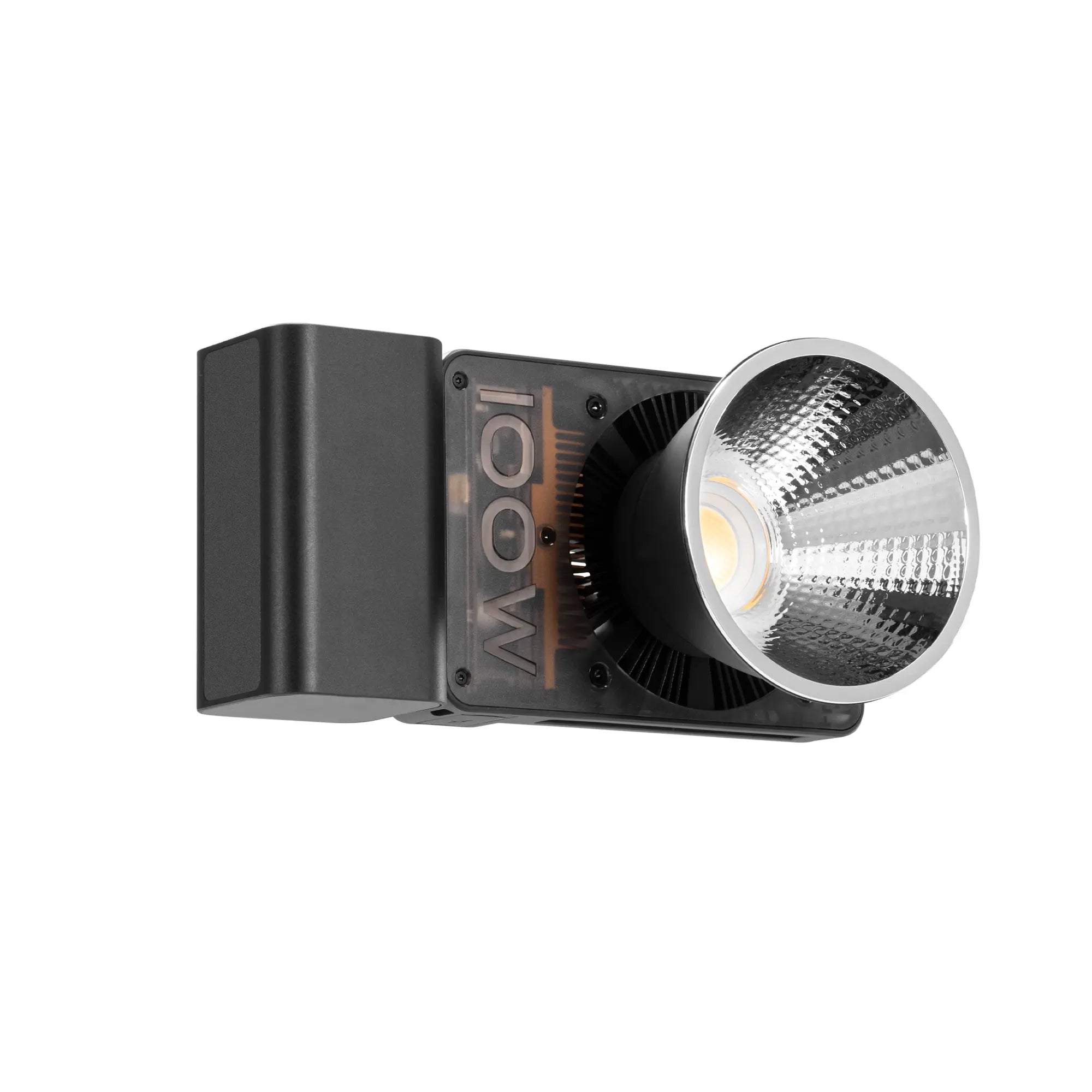
Lighting is essential for creating cinematic scenes, and ZHIYUN MOLUS B-Series COB lights deliver both power and versatility. With power ranging from 100W to 500W and seamlessly adjust color temperature from warm 2700K to cool 6500K, these lights provide pro-level color rendering for any scenario. The intuitive controls and integrated power source make setup a breeze, while compatibility with Bowens mount accessories allows for endless creative possibilities.
Modifier Pack for M20/M20C
Compatibility: FIVERAY M20
The Modifier Pack for M20/M20C is a creative toolkit designed to enhance the ZHIYUN FIVERAY M20 and M20C video lights. It includes a honeycomb grip diffuser and 4-leaf barn doors, providing filmmakers with precise control over lighting shape and direction. The M20C may be small, but it packs a high output with professional dimming capabilities. Its innovative features unlock a world of creative potential, ensuring that every shot is not just captured but crafted to perfection.
Crane 4 MasterMove Accessories
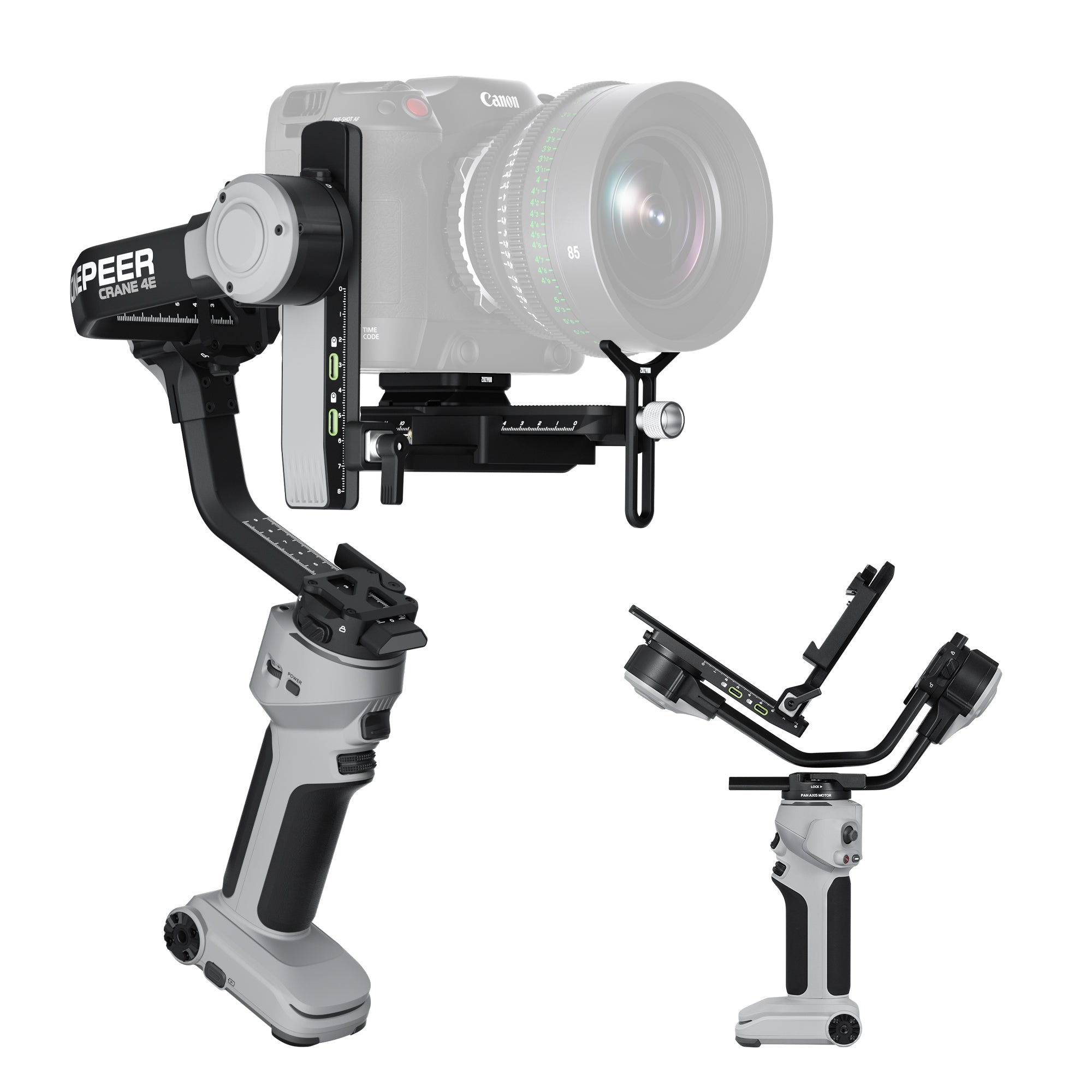
The Crane 4 MasterMove Accessories are designed to enhance the functionality of ZHIYUN Crane 4 camera stabilizer, offering more precise control and reduced shooting fatigue. The sling grip and wrist rest allow for comfortable operation in sling mode, while the adjustable design enables seamless switching between sling and two-handed modes. With these accessories, creators can capture smooth and dynamic shots with ease.
ZHIYUN Dome Diffusion for G60 & X100
Compatibility:ZHIYUN G60, ZHIYUN X100
Soft, diffused lighting can add a professional touch to any scene, and ZHIYUN's Dome Diffusion for ZHIYUN G60 and X100 LED video lights delivers just that. Designed to wrap around the light for a pleasant softness, this light modifier is lightweight and flexible, making it ideal for studio photography, live streaming, and outdoor shooting. With the ability to create soft, flattering light, this accessory is a must-have for any filmmaker.
TransMount Focus/Zoom Control Motor 2.0
Compatibility:ZHIYUN Crane 2S, Weebill S, Crane 3S
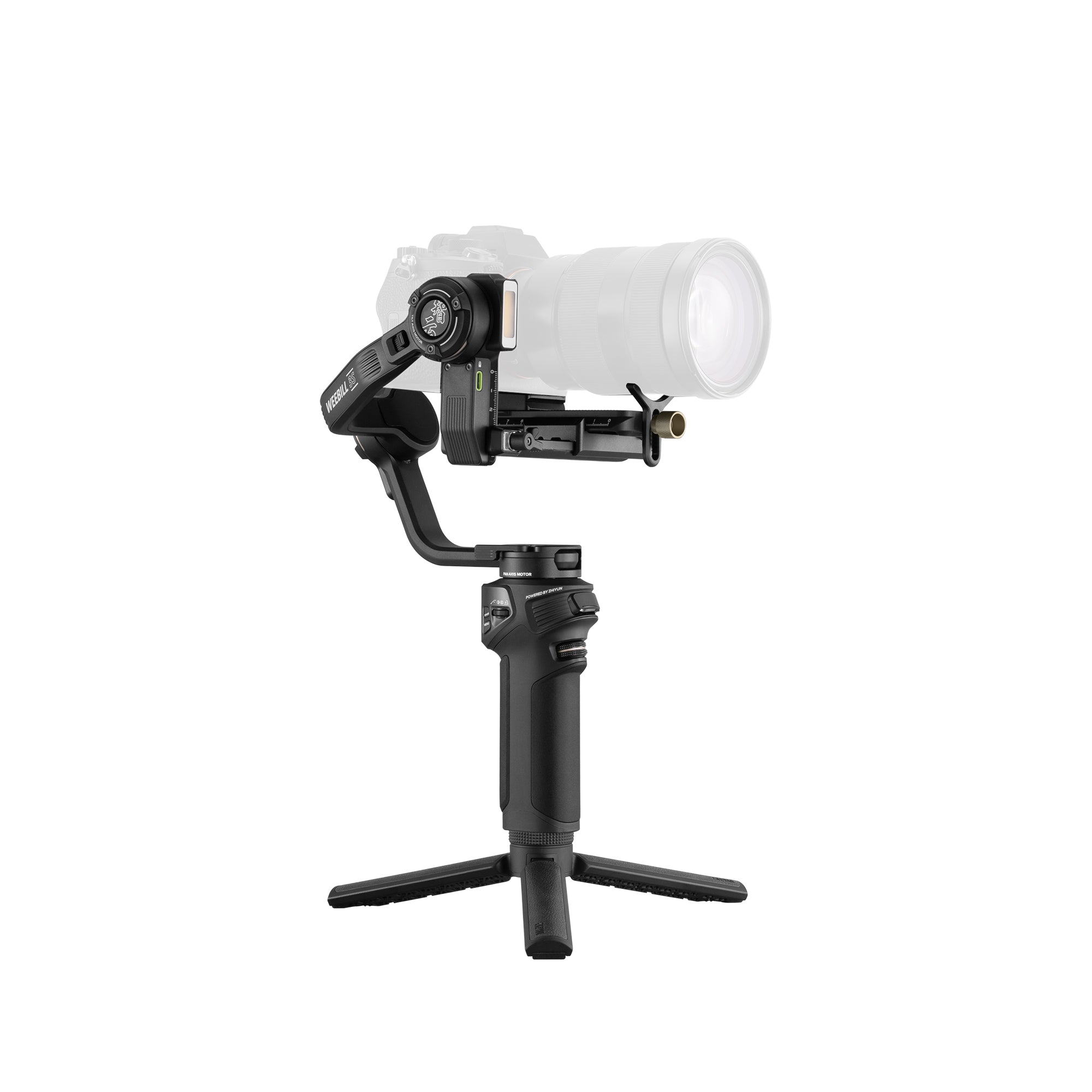
The TransMount Focus/Zoom Control Motor 2.0 installs easily on popular ZHIYUN gimbals like ZHIYUN Crane 3S, Weebill S and Crane 2S for precise focus and zoom control. Featuring ultra-low latency of just 0.1 seconds and optimized gears for stability, it allows pin-sharp adjustments through the gimbal wheel or compatible app. Its compact design doesn't clutter your setup yet unleashes a world of creative possibilities.
In conclusion, ZHIYUN offers a range of cutting-edge accessories designed to elevate your filmmaking experience. Whether you're looking for precise focus control, versatile lighting solutions, or creative modifiers, ZHIYUN has you covered. By incorporating these top six accessories into your gear setup, you can unlock new levels of creativity and capture stunning cinematic shots that truly stand out. Explore the possibilities with ZHIYUN and take your filmmaking to the next level.
FAQ:
Q: How do I prevent lens flare when shooting outdoors?
A: To prevent lens flare, use a lens hood or matte box to block stray light from entering the lens. Additionally, shooting at certain angles or using a lens with multi-coating can help reduce flare and maintain image contrast.
Q: How do I achieve professional-looking audio in my videos?
A: To achieve professional audio quality, use external microphones (such as shotgun or lavaliere mics) to capture clear sound close to the source. Additionally, pay attention to factors like background noise, wind, and mic placement to ensure optimal audio capture.
Q: What's the difference between cinema, television and film production?
A: Cinema refers to films shot and exhibited for big screen, TV is lower budget shot for small screens, film involves creative cinematography while TV focuses on storytelling.


Must-Have Travel Photography Gear: 6 Handy Tools
May 06, 2024
Traveling offers a myriad of opportunities to capture breathtaking moments, but achieving professional-grade travel photos often requires more than just a camera. With the right accessories, you can elevate your photography game and ensure that every shot is frame-worthy. Whether you're a seasoned photographer or an amateur enthusiast, these six essential accessories will help you capture the best travel pictures imaginable.
Camera Stabilizer
Gimbal stabilizers are essential for travel photographers, ensuring smooth footage and sharp images even in challenging conditions. The ZHIYUN Crane 4 stands out among them, renowned for its lightweight design, stability, and ability to handle heavy payloads. With precise balance calibration, easy switching between horizontal and vertical modes, and thoughtful features like built-in fill light and magnetic wrench, the Crane 4 offers unmatched convenience and reliability. Whether navigating rugged terrain or bustling streets, it ensures shake-free footage, empowering photographers to focus on capturing unforgettable moments effortlessly.
Wide-Angle Lens
A wide-angle lens is a must-have for travel photography. It allows you to capture expansive landscapes, architectural marvels, and bustling markets. Whether you’re standing atop a mountain or exploring narrow alleys, a wide-angle lens adds depth and drama to your photos. Consider investing in a quality wide-angle lens compatible with your camera system.
Polarizing Filter
When shooting outdoors, a polarizing filter is your best friend. It reduces glare, enhances colors, and minimizes reflections. Use it to make skies bluer, water clearer, and foliage more vibrant. Whether you’re photographing a beach sunset or a bustling street, a polarizing filter will significantly improve the overall quality of your images.
Lens Cleaning Kit
Traveling exposes your camera gear to dust, sand, and fingerprints. A lens cleaning kit is essential to maintain the clarity of your lenses. Pack a microfiber cloth, lens cleaning solution, and a blower brush. Regularly clean your lenses to avoid unwanted spots and smudges. Crystal-clear glass ensures your travel pictures are sharp and free from distractions.
Smartphone Gimbals
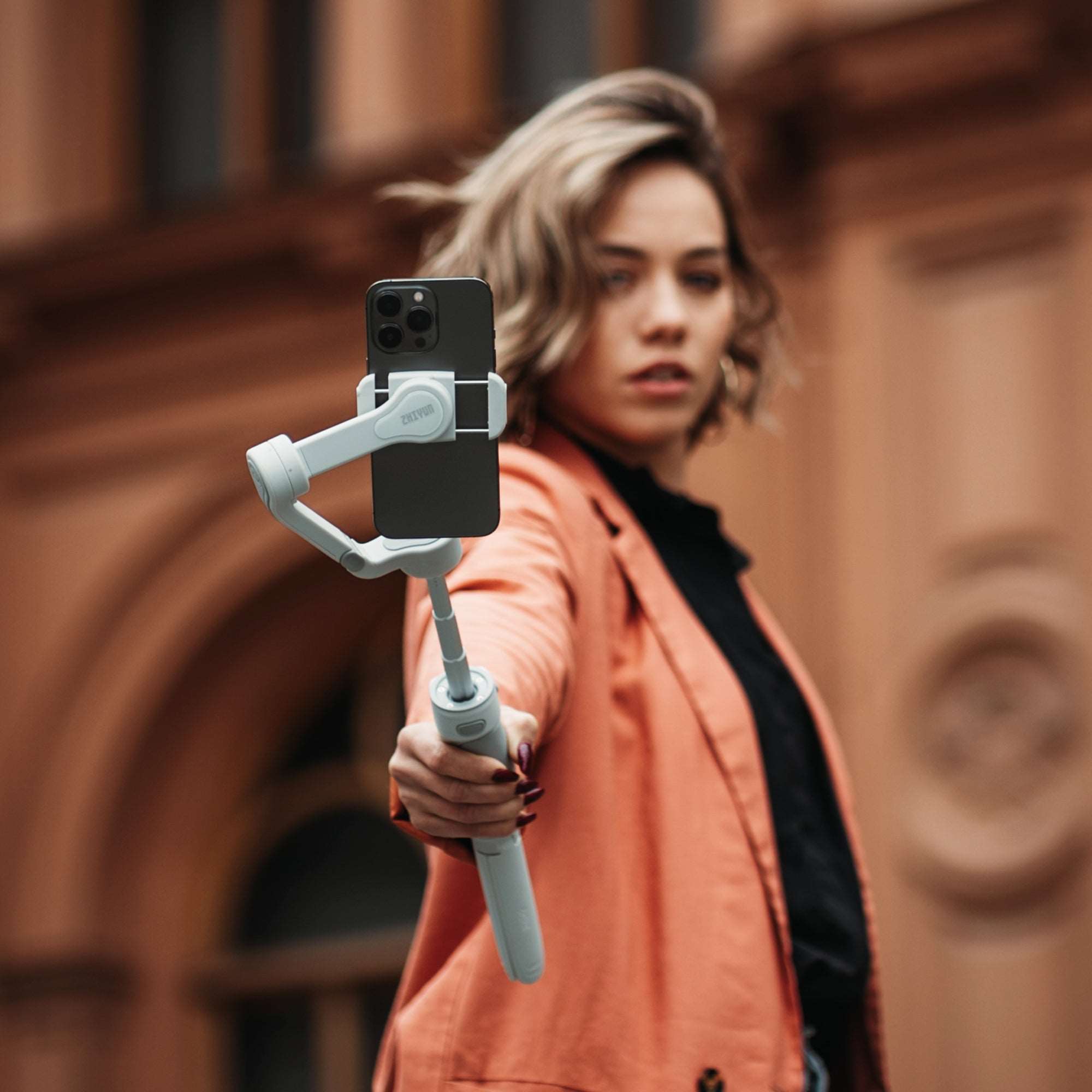
Smartphone stabilizer gimbals are revolutionizing travel photography by empowering smartphone users to capture stunning images and videos with ease. The ZHIYUN Smooth 5S simplifies filmmaking for everyone. Featuring dual-side magnetic lights and a built-in fill light, it ensures unbeatable lighting effects for storytelling. With robust battery life and dolly zoom effect capabilities, the Smooth 5S empowers users to elevate their mobile photography effortlessly.
Memory Cards and Storage
Running out of storage space can quickly derail your photography plans, so be sure to pack plenty of memory cards and external storage devices for your travels. Opt for high-capacity memory cards with fast read and write speeds to accommodate the large file sizes of modern cameras and ensure smooth, uninterrupted shooting. Additionally, consider backing up your photos to cloud storage or a portable hard drive to safeguard your precious memories against loss or theft.
In conclusion, the right gear can transform your travel photography from ordinary to extraordinary. From the stability of a gimbal to the clarity a polarizing filter provides, each accessory plays a pivotal role in capturing the essence of your adventures. If you want to learn more about ZHIYUN gimbal, please check out ZHIYUN camera stabilizer series and ZHIYUN Smooth phone stabilizer series. Remember, the best travel pictures aren’t just about the sights you see; they’re about the stories you tell. So, pack these six essential tools, and you’re ready to document your journey with images that will stand the test of time. Happy travels and happy shooting!
FAQ:
Q: What's the difference between a regular and wide-angle lens?
A: A regular lens like a kit 18-55mm sees similar to human vision but lacks dramatic perspective. Wide angles 14-24mm have a much broader field of view great for landscapes, architecture and interiors. They exaggerate foreground/background separation for impact. Great for tight spaces on trips.
Q: How do I keep my camera clean while traveling?
A: Always store gear in protected luggage compartment vs. checked bag. Apply lens/body caps when not in use. Use a UV lens filter to protect front element from fingerprints/dust. Bring cleaning cloths/liquids and a blower brush. Consider a camera rain cover or reusable silicone protective case for risky conditions like beaches/hikes.
Q: Which type of memory cards are best - SD, CF, XQD?
A: SD cards are most affordable/universal due to their smaller size and widespread compatibility. For pro cameras, choose high speed UHS-II ones to handle burst shots and 4K video. CF/XQD used in high-end Nikon/Canon but an SD will often work great too for average use and their reliability has improved a lot.
Q: What camera settings are best for landscapes vs portraits?
A: For landscapes use a low f-stop like f/8-11 for sharp focus from foreground to background. For portraits try a mid-range f-stop around f/3.5-5.6 for blurred bokeh behind the subject.


Gimbal vs Handheld | Is It Worth Getting a Phone Gimbal?
May 06, 2024
Introduction:
In the age of smartphones, capturing life’s moments has never been easier. But when it comes to video, stability is key. Enter the gimbal – a device designed to keep your phone steady while you film. But is it worth investing in one when you can simply use your hands? Let’s explore.
What is a Phone Gimbal?
A gimbal is a pivoted support that allows the rotation of an object on a single axis. In the context of phone videography, a gimbal stabilizes your phone, countering unwanted movements to produce smooth footage.
Comparing Stability
Gimbal: Offers superior stability due to its motorized stabilization system, resulting in smoother footage even during movement.
Handheld: Relies on the steadiness of the user's hand, which can result in shakier footage, especially during fast movements or over extended periods.
Ease of Use
Gimbal:Requires some learning curve to operate effectively, including balancing the camera properly and understanding different modes/settings.
Handheld: Intuitive to use, as it essentially mimics the natural movement of holding a camera, making it accessible to beginners without much setup.
Versatility:
Gimbal:Can accommodate various types of cameras, including DSLRs, mirrorless cameras, and smartphones, providing stability for a wide range of shooting scenarios.
Handheld:Limited by the weight and size of the camera or smartphone it's compatible with, which may restrict its versatility compared to a gimbal.
When to Opt for a Phone Gimbal Stabilizer:
Shooting videos of action/movement: Gimbals excel at stabilizing footage even while walking, running, biking or during other mobile shooting situations. They eliminate shaky handheld footage.
Capturing smooth pans and tilt shots: Gimbals allow you to seamlessly pan across scenery and tilt the camera up and down for more cinematic shots. This level of camera movement is difficult to achieve smoothly with a handheld device.
Vlogging on the go: Many gimbals make it possible to film high-quality vlogs while in motion, allowing vloggers to explore more locations without jittery footage.
Long recording sessions:Holding a device steady by hand for extended periods can cause fatigue. Gimbals distribute weight evenly for less hand strain.
Following moving subjects: Advanced tracking modes on certain gimbals let you lock onto and smoothly follow subjects like people, pets or objects in motion.
Action sports/adventure videos: Gimbals are essential pickup devices for steady filming of activities like cycling, skiing, hiking where steadiness is critical.
As more users look to create polished, professional-looking content, stable equipment is more essential than ever. Let's take a look at how the ZHIYUN Smooth 5S gimbal delivers unparalleled stability along with advanced shooting capabilities:
Pro 3-Axis Structure & Free Angle Movement: The Smooth 5Sboasts a professional 3-axis design, allowing you to capture shots from any angle. Whether you’re shooting vertically or horizontally, this gimbal provides unparalleled stability.
Unbreakable Stabilization: Say goodbye to shaky footage. The Smooth 5Sensures smooth and steady videos, even during dynamic movements.
Magnetic + Built-In Fill Lights: Need perfect lighting? The 650-lux peak illuminance fill light on the tilt axis, along with two magnetic fill lights, guarantees optimal illumination for your shots.
Intuitive Panel Control: Adjust parameters effortlessly with the versatile control panel. Get ready for a seamless single-hand shooting experience.
Robust Runtime: Charging the Smooth 5Stakes only 2 hours, and it offers up to 24 hours* of non-stop filming.
Dolly Zoom Effect: Switch between zoom and focus via the control wheel, creating professional dolly zoom effects effortlessly.
In conclusion, while handheld shooting suffices for basic needs, gimbal for phone offers unmatched stability and versatility for advanced video projects. Whether capturing smooth pans, following moving subjects, or filming action sports, gimbals prove indispensable for professional-quality footage. If you're ready to elevate your mobile filmmaking and create cinematic shots previously impossible by hand, the ZHIYUN Smooth phone stabilizer series deserves your attention.
*The data is collected from internal experiments of ZHIYUN laboratories when the product is charged via the PD fast charger above 15W and in the standby mode. The standby mode is when the fill light is off and no devices other than a smartphone is mounted on the gimbal. Please refer to the actual use.
FAQ:
Q: What are the benefits of using a phone gimbal over handheld filming?
A: Using a phone gimbal provides superior stability, resulting in smoother footage, especially during movement or dynamic shots. It eliminates the shakiness often associated with handheld filming.
Q: Can I use a phone gimbal for still photography as well?
A: Absolutely! While phone gimbals are primarily designed for stabilizing video footage, they can also help improve the stability of still photos, especially in low-light conditions or when using slower shutter speeds.
Q: Can gimbals work indoors as well as outdoors?
A: Yes, gimbals are effective at stabilizing in any environment, though wind resistance varies. Indoors they eliminate subtle handshakes very well.
Q: Do phone gimbals work with all types of smartphones?
A: Many phone gimbals on the market are designed to be universally compatible, supporting both Android and iPhone devices. Look for gimbals that offer adjustable mounts or customizable settings to accommodate various smartphone sizes and models, ensuring compatibility across different platforms.


Exploring Motion Blur: Understanding and Capturing Techniques
May 06, 2024
Introduction:
Motion blur is a photographic technique that can lend dynamism and realism when creatively applied. While unintentional camera shake causes undesirable blurring, intentionally incorporating subject movement produces compelling visual effects. Mastering motion blur expands your cinematic toolbox.
Understanding Motion Blur:
Motion blur happens when the camera's shutter remains open for a longer duration, allowing moving elements within the frame to appear blurred. This effect is particularly noticeable when capturing fast-moving subjects or when panning the camera to follow motion. Motion blur can be intentional, adding artistic flair and conveying a sense of speed or action, or it can be unintentional, resulting from camera shake or inadequate shutter speed.
Factors Influencing Motion Blur:
Several factors influence the extent and appearance of motion blur effect in an image:
Shutter Speed: The longer the shutter remains open, the more pronounced the motion blur will be. Slower shutter speeds are ideal for capturing intentional motion blur, while faster shutter speeds freeze action.
Subject Speed: The speed at which the subject moves across the frame affects the amount of motion blur. Faster-moving subjects require slower shutter speeds to achieve noticeable blur.
Camera Stability:Camera stability plays a crucial role in controlling motion blur. Camera stabilizers, such as gimbalsand Steadicams, help minimize unwanted camera shake, allowing you to achieve smoother shots even at slower shutter speeds.
Direction of Motion: The direction in which the camera or subject moves relative to each other influences the appearance of motion blur. For example, panning the camera horizontally while tracking a moving subject can create a sense of speed along the direction of motion.
Here are some tips for capturing motion blur shots:
Choose the Right Shutter Speed: Experiment with different shutter speeds to find the optimal balance between freezing action and introducing motion blur. Start with slower shutter speeds (e.g., 1/30s or slower) for intentional motion blur, and adjust as needed based on the speed of your subject.
Use a Tripod or Stabilizer: Invest in a reliable camera stabilizer to minimize camera shake and ensure smooth, steady shots. The ZHIYUN Crane 4is lightweight, stable, and capable of handling heavy payloads. Its new intelligent balance indicator lights provide a timely reminder for precise balance calibration, ensuring smooth and steady shots even at slower shutter speeds. Additionally, the ZHIYUN Crane 4offers customizable function settings, including Bluetooth shutter control and a 1.22-inch touch control color screen, enhancing the intuitive and convenient aspects of the creative process.
Practice Panning Techniques: Mastering the art of panning is essential for capturing motion blur while maintaining sharpness in your subject. Keep your movements smooth and consistent, and practice tracking moving subjects at different speeds.
Experiment with Different Perspectives: Get creative with your compositions and perspectives to enhance the visual impact of motion blur. Experiment with angles, framing, and focal lengths to add depth and dimension to your shots.
Consider Environmental Factors: Pay attention to environmental factors such as lighting conditions and background elements, as they can influence the appearance of motion blur in your images. Adjust your exposure settings accordingly to achieve the desired effect.
Conclusion:
Motion blur is a powerful tool for adding drama, energy, and storytelling to your photography and videography. By understanding the principles of motion blur and mastering the techniques for capturing it effectively, you can elevate your creative vision and produce captivating visual content. If you're looking to explore the limitless potential of motion blur further, we invite you to discover the innovative range of ZHIYUN Camera stabilizer gimbal series.
FAQ:
Q: What are the benefits of incorporating motion blur into my photography or videography?
A: Incorporating motion blur photography adds drama, energy, and storytelling to your visual content, enhancing its overall impact and engagement. It can convey a sense of speed, action, or dynamism, bringing your scenes to life with dynamic motion effects.
Q: How do I create intentional motion blur in my photos?
A: To create intentional motion blur, you can use slower shutter speeds, typically starting around 1/30s or slower, depending on the speed of your subject. Experiment with different shutter speeds to find the optimal balance between freezing action and introducing blur.
Q: What shutter speeds work best for different motions?
A: 1/30-1/60s for walking, 1/125-1/250s for bicycles or cars, and 1/500s+ for very fast action. Adjust based on your scene and desired effect.
Q: Why is camera stability important for capturing motion blur shots?
A: Camera stability is crucial for capturing motion blur shots because it helps minimize unwanted camera shake.
Q: What are some common mistakes to avoid when trying to capture motion blur?
A: 1. Using too fast of a shutter speed, resulting in a frozen subject with no blur.
Overexposing or underexposing the image due to incorrect exposure settings.
Not paying attention to the background, leading to distracting elements in the blurred areas.
Failing to stabilize the camera, resulting in unintentional camera shake.
Neglecting to consider composition and framing, leading to uninteresting or cluttered images.


The Guide to Essential Filmmaking Equipment
May 06, 2024
For aspiring filmmakers, assembling the right equipment is pivotal for crafting cinematic stories. While technology evolves rapidly, certain gear staples always prove indispensable. This guide outlines essential camera, lighting, audio, and support tools that uplevel narrative quality on any production scale.
Camera
At the heart of every film production is the camera. The type of camera you choose will depend on your budget and the specific needs of your project. For beginners, a DSLR or mirrorless camera with video capabilities can provide excellent image quality without breaking the bank. For more advanced filmmakers, a cinema camera offers professional features like higher resolution, raw recording, and interchangeable lenses.
Lenses
The lens you use can have a significant impact on the look and feel of your film. A versatile zoom lens is a good starting point, allowing you to capture a variety of shots without having to switch lenses frequently. As you gain experience, consider investing in prime lenses for their superior image quality and low-light performance.
Gimbal
Gimbals, also known as camera stabilizers, have become indispensable filmmaking tools for stabilized shots. By counteracting camera movements, they allow capturing smooth tracking and tilting shots even while moving or handholding. Among these innovative solutions, the ZHIYUN Crane 4 emerges as a beacon of excellence, embodying the very essence of camera gimbal technology. With its intuitive controls, intelligent balance indicators, and innovative features like the new wrist rest and handle, the Crane 4 redefines the filmmaking experience, enabling filmmakers to unleash their creativity and capture stunning visuals that resonate with audiences worldwide.
Audio Equipment
Good sound quality is just as important as good visuals in filmmaking. Invest in a quality microphone to capture clear audio. A shotgun microphone is ideal for capturing dialogue and ambient sound, while a lavalier microphone is perfect for interviews and on-location recordings. Don't forget to use a windscreen or deadcat to reduce wind noise when shooting outdoors.
Lighting
Proper lighting can make or break a scene. Even if you're shooting with natural light, having a basic lighting kit can help you control the look and mood of your shots. Start with a key light to illuminate your subject, then add fill lights and backlighting as needed to balance the exposure and add depth to your shots. Enter the ZHIYUN MOLUS G300 COB Light, revolutionizing lighting control for filmmakers. Featuring a separate light/controller design and a 7.5-meter cable, this innovation streamlines operation and flexibility. And with the MAX Extreme Mode, brightness reaches an impressive 500W (20300Lux) with a single press, transcending boundaries and illuminating creativity with unparalleled brilliance.
Storage
Finally, don't forget about storage. Filming in high resolution can quickly eat up storage space, so invest in plenty of high-speed memory cards or external hard drives to store your footage safely. Consider setting up a backup system to ensure that your data is protected in case of a hardware failure.
7. Editing Software
Once you've captured your footage, you'll need software to edit and assemble it into a cohesive film. There are many options available, ranging from simple, beginner-friendly programs to advanced, professional-grade suites. Popular choices include Adobe Premiere Pro, Final Cut Pro, and DaVinci Resolve. Look for software that offers a wide range of editing tools, support for various file formats, and a user-friendly interface.
By investing in the right equipment and mastering its use, you can take your filmmaking to the next level and bring your creative vision to life with clarity and professionalism. Remember, while having the latest and greatest gear can be tempting, it's ultimately your skills as a filmmaker that will make the biggest difference in the quality of your productions. So, hone your craft, experiment with different techniques, and never stop learning and growing as an artist. Happy filmmaking!
FAQ:
Q: What features should I look for in a camera?
A: Consider video resolution/frame rates, autofocus, image stabilization, battery life, ports and controls suited for video. Menus should be easy to navigate while filming.
Q: What types of lenses do filmmakers use?
A: Prime lenses for sharpness and zooms for versatility. Popular ranges include wide 14-24mm, standard 24-70mm, and telephoto 70-200mm. Optical image stabilization helps steady shots.
Q: What's the best camera support equipment?
A: Tripods for stationary shots and gimbals like the ZHIYUN Crane series for stabilized movement. Fluid video heads smooth out camera moves on tripods. Monopods balance cameras easily with one hand.
Q: What accessories are must-haves?
A: Memory cards, ND filters, matte boxes, follow focus gear, toolkits, reflectors, flags, monitors, audio recorders, sliders, and stabilization equipment expand your options.


6 Ways to Control Light Quality During Filming
Apr 16, 2024
When it comes to capturing stunning footage, light quality plays a pivotal role. Whether you’re shooting indoors or outdoors, understanding how to manipulate light can elevate the visual appeal of your videos. In this guide, we'll explore six effective techniques to help you control light quality during filming and achieve professional-looking results.
Utilize Natural Light to Your Advantage
Natural light can be a filmmaker’s best friend. When shooting outdoors or near windows, pay attention to the direction and intensity of sunlight. Soft, diffused light during the golden hours of sunrise and sunset can add a warm, cinematic feel to your footage. Alternatively, on overcast days, the clouds act as a giant diffuser, creating soft and even lighting conditions ideal for filming.
Invest in Quality Lighting Equipment
While natural light is great, it's not always reliable. Investing in top-notch artificial lighting gear is crucial for consistent results. LED panels, softbox and reflectors are versatile tools for manipulating light. Consider the ZHIYUN 90cm Parabolic Softbox for professional-grade lighting. Its precision design and durability ensure soft, flattering illumination, making your footage stand out.
Understand the Importance of Color Temperature
Different light sources emit varying color temperatures, which can significantly impact the mood and tone of your footage. Daylight has a cooler temperature, while indoor lighting tends to be warmer. To maintain color consistency, ensure that all your light sources have the same color temperature or use color correction gels to match them accordingly.
Modify Light with Diffusion and Reflectors
Harsh, direct light can create unflattering shadows and highlights on your subject. Soften the light by using diffusion materials such as silk or muslin fabric, or by bouncing light off reflective surfaces like white foam boards or walls. Experiment with different diffusion and reflection techniques to achieve the desired lighting effect.
Control Light Intensity with Dimmers and Barn Doors
Controlling the intensity of your lights is crucial for achieving the desired exposure levels and preventing overexposure or harsh shadows. Dimmers allow you to adjust the brightness of your light sources smoothly, while barn doors help you direct and shape the light precisely where you want it. Mastering these tools gives you greater control over the lighting dynamics of your scene.
Experiment with Lighting Angles and Positions
The angle and position of your light sources can dramatically alter the mood and composition of your shots. Play around with different lighting setups, such as the classic three-point lighting technique, to create depth, texture, and dimensionality in your footage. Don’t be afraid to experiment and think outside the box to achieve unique and visually captivating results.
In addition to the aforementioned methods for controlling light quality, high-quality hardware is equally important. The ZHIYUN MOLUS X60 is an effective external lighting solution for enhancing video quality. It provides powerful yet stable 60W illumination and supports an additional 6 RGB moods exclusive to the MOLUS X60-RGB version make your photography even more unique, helping you effortlessly achieve unique lighting looks. At the same time, ZHIYUN's intuitive ZY Vega App also allows for quick and wireless adjustment of color temperature and brightness.
In conclusion, mastering the art of controlling light quality is essential for every filmmaker seeking to elevate their craft. By utilizing natural light effectively, investing in quality lighting equipment, understanding color temperature, and employing various light modification techniques, you can enhance the visual appeal of your videos and captivate your audience's attention. If you're looking to explore the endless potential of photography lighting further, we invite you to discover the innovative range of ZHIYUN photography lights and accessories for light series.
Remember, the key to success lies in practice and experimentation. Unleash your creativity with light!
FAQ:
Q: What color temperature should I use for indoor filming?
A: For indoors, 3200-5600K is generally suitable. 3200K gives a warmer, softer look while 5600K appears crisper and cooler. Interviews and handheld shots use 3200K, while other shots can use 3200-4500K.
Q: How do I prevent lens flare from multiple light sources?
A: Adjust each light's brightness based on distance, dimmer closer and brighter farther. Use different hardness sources. Switch off unnecessary lights. Use a lens flare-reducing filter.
Q: What tips are there for lighting interviews and talking head videos?
A: A softbox provides the key light from the front. Backlights on the sides add fill. Lights should be slightly above eye level. A low fill light balances the background. Warm-toned lighting makes subjects more comfortable.
Q: How do I create dramatic backlighting effects?
A: Place a somewhat hard light source 1-2 meters behind the subject. Control the light’s brightness and angle of incidence. Deepening shadows on the subject with grading enhances the effect.
Q: What's the difference between hard and soft lighting?
A: Soft sources distribute light more evenly and softly with minimal shadows and low highlights, suitable for portraits. Hard light produces more defined highlights and shadows to add texture and dimensionality.


Which Phone Gimbal Is Compatible with Both Android And iPhone?
Apr 01, 2024
Stabilizer for Mobile Phones: The Best Choice Compatible with Android and Apple
In today's wave of mobile photography, phone stabilizers play an indispensable role. Whether for daily users or professional photographers, phone stabilizers hold significant importance. This article will delve into a mobile phone stabilizer that can simultaneously support Android and Apple phones, with a special focus on Smooth 5 and Smooth 5s introduced by ZHIYUN Technology. Let's see if they can meet users' needs and what kind of user experience they bring.
Why Are Phone Stabilizers So Important?
Addressing Shake and Instability Issues: The emergence of mobile phone stabilizers solve the problems of shaking and instability in handheld shooting, making the captured footage clearer and more stable.
Applications in Daily Life: Travel Documentation: During journeys, you can use a mobile phone stabilizer to capture stable moments of scenery, people, and activities, making memories more vivid.
Family Videos: Recording children's growth, family gatherings, celebrations, etc., a mobile phone stabilizer can make your videos more professional.
Food Sharing: Capturing moments of delicious food, a mobile phone stabilizer can make your food videos more enticing.
With the advancement of technology, Android and Apple smartphones have become the preferred choice for the vast majority of users. Therefore, a mobile phone stabilizer that is compatible with both of these operating systems has become significantly important, as it can meet a wider range of user needs.
Compatibility Analysis of Smooth 5 and Smooth 5s
We conducted rigorous compatibility testing, and the results show that both Smooth 5 and Smooth 5s can easily connect and function properly. This means that whether you are using an Android or Apple phone, these two phone gimbal stabilizers can meet your needs. They are compatible with the vast majority of Android phones, including mainstream brands such as Samsung Galaxy, Huawei, Xiaomi, etc. Additionally, Smooth 5 and Smooth 5s phone stabilizers are also compatible with Apple phones, including the latest models such as iPhone 13, iPhone 15, etc. Whether you are an Apple fan or an Android user, you can confidently choose these two stabilizers.
Introduction to the Features of Smooth 5 and Smooth 5s
Basic Stabilization Function: Both stabilizers are equipped with basic three-axis stabilization function, effectively suppressing shake during handheld shooting, resulting in a more stable and smooth footage.
Intelligent Functions: In addition to basic stabilization function, they also feature a range of intelligent functions such as object tracking, gesture recognition for shooting, etc., helping users create more creative video works.
Battery Life: The battery life has also been significantly improved, allowing you to enjoy shooting for a longer period of time.
Main Differences between SMOOTH5S and SMOOTH5:
Appearance: ZHIYUN SMOOTH5S features an orthogonal three-axis design, allowing for full-angle mirror movement, with minimal constraints for low-angle and ultra-wide-angle shooting, meeting various shooting angle needs. ZHIYUN SMOOTH5 features a stable three-axis design that doesn't obstruct ultra-wide-angle framing, allowing for unburdened full-angle mirror movement, enabling shooting in any desired direction.
Motor Performance: ZHIYUN SMOOTH5S boasts powerful motor performance with additional magnetic steel pieces, providing stronger load-bearing capacity, effortlessly accommodating the iPhone 14 Pro Max. ZHIYUN SMOOTH5 is equipped with full-load motor performance, featuring magnetic steel motors and upgraded stabilization algorithms, delivering sufficient power for heavy smartphones.
Fill Light: ZHIYUN SMOOTH5S integrates a three-lamp design, with a newly added built-in fill light in the pitch axis arm, reaching a peak illuminance of 650Lux; when all three lamps are on, the illuminance can reach up to 2040Lux. ZHIYUN SMOOTH5 does not support this feature.
Control Panel: ZHIYUN SMOOTH5S adopts a "full keyboard" design, integrating functions such as dial, joystick, menu callout, mode switching, and fill light control, allowing for single-handed operation for mirror movement and shooting. ZHIYUN SMOOTH5 does not support this feature.
Scene Modes: ZHIYUN SMOOTH5S offers a three-dimensional dream shooting mode with unrestricted heading axis, supporting 360° rotation shooting for spatial vertigo and transition effects. ZHIYUN SMOOTH5 supports a three-dimensional dream shooting mode, providing rotational shooting and vertigo atmosphere, offering professional mirror movement modes such as PF, L, F, and POV.
Functional Parameters: The mechanical action range of the roll axis for ZHIYUN SMOOTH5S is -90°259°, while for ZHIYUN SMOOTH5, it is -90°--210°.
Professional and User Reviews
Professional photographers in the photography industry have highly praised Smooth 5 and Smooth 5s, believing that they excel in stability and functionality. From the user's perspective, these two stabilizers are not only easy to operate but also perform reliably, making them the ideal choice for mobile photography.
Conclusion
As the latest smartphone stabilizers introduced by ZHIYUN Technology, Smooth 5 and Smooth 5s not only possess outstanding stability and functionality but also offer compatibility with both Android and Apple smartphones, meeting the needs of many users in the market. If you are looking for a stable, feature-rich, and highly compatible smartphone stabilizer, consider Smooth 5 and Smooth 5s. With the continuous advancement of mobile photography technology, smartphone stabilizers will become increasingly intelligent and multifunctional. We look forward to more innovations in the future Smooth series products, providing users with even better shooting experiences.
FAQ:
Q: Are there gimbals compatible with both Android and iPhone?
A: Yes, many gimbals are designed to be compatible with both Android and iPhone, such as the ZHIYUN Gimbal
Q: Can gimbals rotate between landscape and portrait modes?
A: Some gimbals can quickly rotate between horizontal and vertical shooting, which is useful for different types of content like TikTok videos, such as ZHIYUN mobile stabilizers.
Q: What are the main features of the SMOOTH 5 stabilizer?
A: The SMOOTH 5 stabilizer provides professional-level image stabilization technology, supports 360° tracking without dead angles, and is suitable for various dynamic shooting needs.
Q: How do I install accessories on the SMOOTH 5 stabilizer?
A: The SMOOTH 5 stabilizer supports magnetic accessory installation, allowing you to quickly add additional equipment, such as fill lights.
Q: What creative shooting modes does the SMOOTH 5 stabilizer offer?
A: In addition to basic stabilization modes, SMOOTH 5 also offers creative effects such as time-lapse and panoramic magic, enhancing the fun and professionalism of video shooting.


6 Tips for Smooth Filming with Camera Stabilizers
Apr 01, 2024
Introduction:
Camera stabilizers have revolutionized the way filmmakers capture footage, allowing for smooth and professional-looking shots even in dynamic environments. Whether you're a seasoned videographer or just starting out, mastering the art of using a camera stabilizer can greatly enhance the quality of your videos. In this blog post, we'll share six invaluable tips to help you make the most out of your camera stabilizer and take your filming skills to the next level.
Balance Your Camera Correctly
Precise balancing prevents unwanted vibrations. With counterweights, balance cameras precisely on all axes until the gimbal holds steady on its own. The ZHIYUN Crane 4 features new intelligent balance indicator lights added to the motors. If it is not levelled, the corresponding shaft motor balance indicator will provide the corresponding reminder light effect. Leveraging this balance indicator system guides calibration for perfect stability.
Master Movement Techniques
Practice fluid techniques like panning, tilting, and orbiting to enhance storytelling impact. Slow, steady moves draw viewers in while dynamic reveals build suspense. Advanced camera gimbals like the ZHIYUN Crane 4 facilitate refining such skills, with features like its versatile sling grip and innovative horizontal/vertical lock allowing natural transitional shots between portrait and landscape. Experiment combining gradual static and active shots on gimbals to develop a cinematic filming style. Refined skills produce polished, smooth footage when leveraging high-performing stabilization platforms.
Consider Angles and Composition
Stabilization enables once-tricky downward angled shots or smooth orbital moves. However, experiment first and storyboard creatively. Too many stylish gymnastics can overwhelm audiences. Balance dynamic energy with steady establishing orientations. Vertical or horizontal framing also influences emotional impact.
Use Active Shooting Modes Wisely
Many camera stabilizers come with active shooting modes such as follow mode, lock mode, and POV mode. While these modes can be helpful in certain situations, it's essential to use them wisely and sparingly. Avoid relying too heavily on these modes, as they can sometimes produce unnatural or exaggerated movements that detract from the overall quality of your footage. The ZHIYUN Crane 4 supports customizable parameter adjustment, allowing selection of focus, ISO and other settings directly through its interface, as well as focus motor and gimbal mode control, making the creative process more intuitive and convenient.
Monitor Equipment Health
Periodically inspect cameras and gimbals for loose or worn components. Keep firmware and apps updated too. Catching small problems before shoots saves frustrating downtime. The ZHIYUN Crane 4 features a thoughtful design with accessories like a built-in magnetic tightening wrench for easy maintenance. This allows quick disassembly and installation of parts. It also has a silicone protective cover on the shaft arm to reduce wear from carrying.
Mind Your Footwear:
Believe it or not, your choice of footwear can have a significant impact on the stability of your shots when using a camera stabilizer. Opt for comfortable shoes with good grip to ensure stability and reduce the risk of slips or falls, especially when shooting in challenging environments. Additionally, be mindful of your posture and stance while operating the stabilizer to maintain balance and minimize fatigue during extended shooting sessions.
Conclusion:
Mastering the art of filming with camera stabilization requires patience, practice, and a willingness to learn. By following these helpful tips, you can elevate your filmmaking skills and produce professional-quality videos that captivate and inspire your audience. Remember to always strive for excellence, experiment with new techniques, and push the boundaries of your creativity to unlock the full potential of your camera stabilizer.
For more information, please check out ZHIYUN Crane 4. Happy filming!


How To Create Professional Video Works Using Camera Gimbals?
Apr 01, 2024
In the dynamic landscape of modern video production, the pursuit of high-quality footage is paramount. Whether you're a seasoned filmmaker or an aspiring content creator, the ability to capture smooth and professional-looking videos can make all the difference in engaging your audience and conveying your message effectively. One indispensable tool that has revolutionized the way videographers achieve this is the camera stabilizers. In this guide, we'll explore how to harness the full potential of camera gimbals, with a special focus on the ZHIYUN Crane 4, to elevate your video productions to new heights.
Stability: The Foundation of Professional Footage
Stability forms the cornerstone of any successful video production. Shaky footage can detract from the overall viewing experience and diminish the impact of your content. This is where camera stabilizer gimbal shine, and the ZHIYUN Crane 4 stands out with its unparalleled stability. By leveraging advanced stabilization technology and precise balance calibration, the Crane 4 ensures that your shots remain smooth and steady, even in challenging shooting conditions. Whether you're capturing fast-paced action sequences or delicate cinematic movements, this gimbal provides the stability you need to achieve professional-grade results.
Versatility: Unleashing Creativity with Ease
Creativity knows no bound. The ZHIYUN Crane 4 offers unmatched versatility, allowing you to explore a wide range of creative possibilities with ease. Its innovative quick-release module enables seamless switching between horizontal and vertical shooting modes, empowering you to experiment with different perspectives and angles effortlessly. Whether you're filming sweeping landscapes, intimate close-ups, or dynamic tracking shots, this gimbal adapts to your creative vision, giving you the freedom to bring your ideas to life in stunning detail.
Convenience: Streamlining the Production Process
In the fast-paced world of video production, efficiency is key. The ZHIYUN Crane 4 is designed with convenience in mind, streamlining the production process and allowing you to focus on capturing the perfect shot. The built-in 10W fill light brings you a lightweight experience than ever with pro LED lighting. Its intuitive design and thoughtful features make operation a breeze, from the extendable sling grip for versatile handling to the customizable function settings for precise control. With built-in Bluetooth shutter control and an efficient touch control color screen, this gimbal puts essential tools at your fingertips, ensuring that you never miss a moment of creative inspiration.
Professionalism: Elevating Your Craft
At the heart of every successful video production lies a commitment to professionalism. At its core, both the ZHIYUN Crane 4 and ZHIYUN Crane 3S are designed to deliver professional-grade performance. However, with built-in dual follow focus interface and compatibility with a wide range of professional accessories, the ZHIYUN Crane 4 empowers you to push the boundaries of your craft and achieve cinematic excellence with ease. Whether you're shooting a documentary, a music video, or a commercial project, the Crane 4 provides the tools you need to elevate your work and leave a lasting impression on your audience.
Conclusion:
In conclusion, mastering professional video production requires the right tools, and the ZHIYUN Crane 4, with its exceptional camera stabilization, is the ultimate companion for videographers seeking excellence in their craft. With its unmatched stability, versatility, convenience, and professionalism, this gimbal unlocks endless creative possibilities and empowers you to bring your vision to life with confidence and precision. Whether you're a seasoned professional or an aspiring filmmaker, the Crane 4 is your gateway to cinematic greatness.


ZHIYUN Smooth 5s | How Is It Different From Other Phone Gimbals?
Mar 20, 2024
In today's rapidly evolving digital age, video content creation has become a mainstream mode of communication and expression. The ZHIYUN Smooth 5s smartphone gimbal stabilizer, as a newcomer in the market, offers unprecedented convenience and creativity for video creators with its unique design and features. Today, we will discuss why the Zhiyun Smooth phone gimbal has carved out a place for itself in the world of photography gimbals.
For most mobile photography enthusiasts, the usability of a smartphone stabilizer is a decisive factor in their acceptance. Fortunately, products from the ZHIYUN Store confirm everything.
ZHIYUN SMOOTH 4
SMOOTH 4 phone stabilizer upholds a meticulous attitude towards professionalism, giving rise to a phone stabilizer crafted "for mobile filmmaking!" SMOOTH 4 boasts a 35% increase in response speed compared to its predecessor. Button operation and zoom experience have been significantly enhanced, coupled with the continuous improvement of the ZHIYUN APP, making SMOOTH 4 possess excellent video shooting capabilities. It is a milestone product in the development of ZHIYUN smartphone gimbals, marking the official beginning of a new era for professional-grade smartphone gimbals by ZHIYUN.
Whether it's a telescopic extension pole or a dual-axis stabilizer that provides users with intelligent, user-friendly, and powerful operating experiences, or an orthogonal three-axis stabilizer with elegant design, strong force, stable structure, quick response, comprehensive app integration, and excellent texture, the goal is to provide filmmakers with a better shooting experience. Through continuous optimization and upgrades, using high-strength and high-torque magnetic motors, we achieve large weight-bearing capacity in a compact size, combined with high-definition lenses and outstanding image quality on smartphones, enabling creators to craft art anytime, anywhere.
ZHIYUN SMOOTH 5S Phone Gimbal
SMOOTH 5S boasts a high cost-performance ratio and is a powerful smartphone gimbal stabilizer hailed as the "Vlog Photography Artifact". It utilizes advanced three-axis stabilization technology to effectively counteract hand shake, resulting in smoother and clearer footage. For Vlog photographers, this means they can confidently engage in mobile shooting without worrying about the stability of the footage.
In the era of universal image creation, ZHIYUN introduces the SMOOTH 5S smartphone gimbal, enabling smartphones to capture "blockbusters". This product continues the orthogonal three-axis structural design of the SMOOTH 5, achieving omni-directional camera movement and unrestricted image creation. It features a newly embedded fill light in the pitch axis arm, with a peak illuminance of 650Lux, providing more convenience and possibilities for creators. It also supports the installation of two magnetic fill lights, with a peak illuminance of up to 2040Lux when all three lights are working simultaneously, allowing for fearless shooting in low-light and backlit environments, achieving instant lighting effects for mobile photography and enabling "blockbuster-level output, all in one step" anytime, anywhere.
The Innovation Journey of ZHIYUN Smooth 5s
Professional-grade performance, user-friendly operation: The user interface design of the ZHIYUN Smooth 5s smartphone gimbal is simple and intuitive, allowing even beginners to quickly get started. Its professional-grade performance, such as the use of high-torque magnetic motors, ensures stable shooting even in extreme conditions. This attention to detail and pursuit of quality make the ZHIYUN Smooth 5s stand out among smartphone gimbal stabilizers.
Innovative fill light function, unlimited creativity: The fill light function of the ZHIYUN Smooth 5s is a major highlight that sets it apart from other stabilizers. The built-in fill light and optional magnetic fill light provide creators with more flexibility in different lighting conditions. Whether in dimly lit streets after sunset or bright outdoor environments, it can easily adapt, ensuring that every frame is vibrant and well-lit.
ZHIYUN phone gimbal stabilizers are products that can help mobile image creators solve many problems, encouraging more people to use images to record life, making creation no longer a "privilege," but a part of life. With a light and professional attitude, making the shooting process simpler and the creation easier.


ZHIYUN Guides You Through The Professional Photography Light - CM25
Mar 20, 2024
In the world of photography, lighting plays a crucial role. And choosing the right photography light is one of the skills that every photographer needs to master. This article will take you deep into the types of photography lights, usage techniques, and the latest product CM25, from the ZHIYUN Store, to help you further advance on your photography creative journey.
Classification of Photography Lights
There are various types of photography lights on the market, such as pocket-fill lights, stick lights, flat panel lights, ring-fill lights, COB lights, and television lights. Each type has unique uses and advantages. For example, flat panel lights are suitable for live streaming and short video shooting, while COB lights and television lights are more suitable for professional film and television production.
Pocket Light for Photography: It is a small, portable fill light device, usually designed to be carried in a pocket or camera bag. This type of fill light typically utilizes LED light sources and features adjustable brightness and color temperature. Pocket lights for photography are commonly used to provide soft, even lighting for subjects, reducing shadows and enhancing the quality of the shots. Due to its portability and versatility, pocket lights for photography are widely used in various scenarios such as portrait photography, video shooting, live streaming, etc. Examples include ZHIYUN CM25 and FIVERAY M20C.
LED Stick Lights for Photography: It is a type of photography lighting with a long, stick-like shape, typically using LED light sources. Its appearance resembles that of a flashlight or a lollipop, hence the name. LED stick lights for photography usually feature adjustable brightness and color temperature, allowing for light adjustment according to the shooting requirements. Its portability and adjustability enable it to be effective in various shooting scenarios, commonly used by individual photographers for capturing portraits, product photos, landscapes, etc. Additionally, stick lights for photography are often used to create special atmospheric effects, such as in film and television production, stage performances, etc. Examples include FIVERAY V60 and FIVERAY F100.
Flat Light Photography: It is a type of photography lighting that is thin and flat, typically using LED light sources. Its appearance resembles that of a flat panel, hence the name. Due to its slim design and wide illuminating area, flat light photography can produce a softer light effect, reducing shadows, and providing a more natural lighting effect.
Ring Lights Photography: This is a type of photography lighting with a ring-shaped design, typically using LED light sources. Ring lights photography is mainly used to provide soft, even, surrounding light to reduce shadows and create a natural, soft lighting effect. Due to its special design, ring light photography is highly popular in scenarios such as portrait photography, makeup application, and video shooting, where highlighting subject contours and brightening the eyes are necessary.
COB LED Lights Photography: It is a professional-grade film and television lighting equipment, with COB standing for Chip-on-Board. COB lights typically feature high-power output and color temperature adjustment capabilities to meet various photography or film production needs. They are commonly used in professional film and television production, stage performances, studio lighting photography, etc., because they can provide high-quality, high-brightness, evenly distributed lighting effects, and have high color rendering, accurately reproducing the colors of the subjects being photographed. Among them, MOLUS G200 and MOLUS X100 belong to this type of photography lights.
Best Pocket Light for Photography
In this age of boundless creativity, have you ever been troubled by the inability to find a suitable fill light for photography? Products on the market are either bulky or lackluster in performance, often failing to meet the ever-growing demands of creators. Today, we want to introduce to you the ZHIYUN CM25 photography light, which may completely change your perception of fill lights.
Although the CM25 fill light photography is compact, its performance is not compromised in the slightest. It is reported that the illuminance of this fill light is 3 to 5 times stronger than other pocket fill light products of the same volume, with a total power of up to 25W and a maximum illuminance of 3360Lux. Such performance is enough to make it stand out among many fill lights.
Of course, besides powerful performance, ease of operation is also very important. No one wants to be bothered by complicated operations during the creative process. And the CM25 photography lights excel in this aspect. It adopts a knob adjustment method, allowing users to easily adjust brightness and color temperature with just a simple turn. This design not only makes the operation more convenient but also allows users to focus more on the creative process itself.
Furthermore, the ZHIYUN CM25 fill light also supports a wide range of color temperature adjustments, catering to both cold and warm fill light needs. Whether shooting portraits or landscapes, it can easily adapt. Additionally, it has a high color rendering index, capable of reproducing object colors and providing uniform illumination, making your creations more outstanding.
In terms of heat dissipation, the ZHIYUN CM25 fill light also performs exceptionally well. It adopts ZHIYUN's branded DynaVort Cooling System™, significantly enhancing the heat dissipation efficiency of the fill light. Even when used at high power, there is no need to worry about overheating issues. For users who require prolonged usage, this is undoubtedly a great advantage.
For beginners, the CM25 photography light is also very user-friendly. It is easy to operate and equipped with a 1/4-inch screw hole, making it easy to install on tripods or other accessories. Whether shooting videos or photos, it can easily meet the fill light needs from multiple angles.
Overall, the ZHIYUN CM25 fill light is an outstanding product. It boasts powerful performance, easy operation, excellent heat dissipation, and impressive battery life, with attention to detail. If you are an image creator, then this photography light is definitely worth having. It will become a reliable assistant on your creative journey, making your works stand out even more!


Choose the right lighting photography: light up your photography art
Mar 18, 2024
In this age where visual reigns supreme, whether professional photographers or photography enthusiasts, all understand the importance of lighting in photography. In the world of photography, light is the key element in shaping visual stories. Proper lighting not only enhances the quality of images but also conveys emotions and atmosphere. Light painting photography is an artistic creation that intertwines light and shadow, capturing the changes of light at night to create captivating visual effects, thus elevating photography to a higher artistic realm.
Development Trends in the Photography Lighting Industry
The photography lighting industry has seen rapid development in recent years, especially in the Asian region, where countries such as China, Japan, and South Korea are very active in both production and consumption in this field. There is a wide variety of photography lighting products available on the market, including LED photography lights, ring lights for photography, flash photography lighting, etc., each playing an important role in different photography scenarios. For example, products like MOLUS G60, MOLUS X100, FIVERAY M20C, MOLUS G200 from ZHIYUN are all categorized as LED photography lights.
Photography Techniques and Lighting Application
Whether professional photographers or enthusiasts, mastering basic photography techniques is crucial. Using a tripod to stabilize the camera, improving lighting with natural light or photography lights, selecting appropriate exposure and aperture settings, and learning composition techniques can all help photographers better tell stories and convey emotions. ZHIYUN CM25 best light photography, with its innovative design and outstanding performance, has become the ideal choice for photographers. Let's delve into CM25 and see how it changes the game rules of photography light.
LED Photography Lights - ZHIYUN CM25: Illuminate Your Photography World
In the art of photography, light is the most important brush. With its outstanding performance and innovative technology, ZHIYUN CM25 photography light brings life and color to every one of your photos.
Unique Features of ZHIYUN CM25
Lightweight and Bright: As light as a feather, ZHIYUN CM25 weighs only 232 grams, yet it emits a brightness of up to 3360Lux, meaning it produces very bright light, making colors appear particularly vivid and true.
Efficient Heat Dissipation, Long-lasting Use: With unique heat dissipation technology, ZHIYUN CM25 incorporates a special fan and heat dissipation design, preventing the light from overheating and ensuring prolonged illumination.
Ample Power, Recharge Anytime, Anywhere: With strong battery life, the built-in battery allows ZHIYUN CM25 to operate at its brightest for 30 minutes, and it can be used while charging, eliminating worries about running out of power.
Simple Operation, Suitable for Everyone: Easy to control, ZHIYUN CM25 features two knobs—one for adjusting color temperature and the other for adjusting brightness—making it very easy to achieve the desired lighting effects.
Versatile for Various Occasions: With multifunctional use, the compact size of ZHIYUN CM25 makes it particularly convenient for outdoor shooting, whether for portraits, live streaming, or still-life advertising, catering to your needs in various scenarios.
Interplay of Light and Shadow: Analysis and Practice of ZHIYUN CM25 Photography Light
Different lighting setups in portrait photography, such as butterfly lighting photography and side light in photography, each produce different effects and atmospheres. The versatility of CM25 allows it to adapt to various lighting arrangements, whether it's soft ambient light or intense contrast light, it can handle them with ease. Additionally, in still-life photography, proper lighting setup can highlight the details and textures of the products. With ZHIYUN CM25's precise control and high brightness output, every photo can exhibit the best results.
Conclusion
Choosing the right lighting equipment is crucial for every photographer. With its outstanding performance, innovative design, and user-friendly operation, ZHIYUN CM25 has become an ideal pocket light. It is not only compact and portable with efficient brightness but also easy to operate, suitable for various shooting scenarios. By using ZHIYUN CM25, your photos and videos will become more vivid and professional. ZHIYUN CM25 is more than just a photography light; it is a partner in creating light and shadow art. Whether it's light portrait photography or still-life shooting, CM25 can lend you a helping hand, making your photography works more vibrant in the interplay of light and shadow photography.
- Choisir une sélection entraîne un rafraîchissement complet de la page.
- Ouvre dans une nouvelle fenêtre.