News

Best RGB Video Lights for YouTube and Content Creators in 2025

Aug 28, 2025
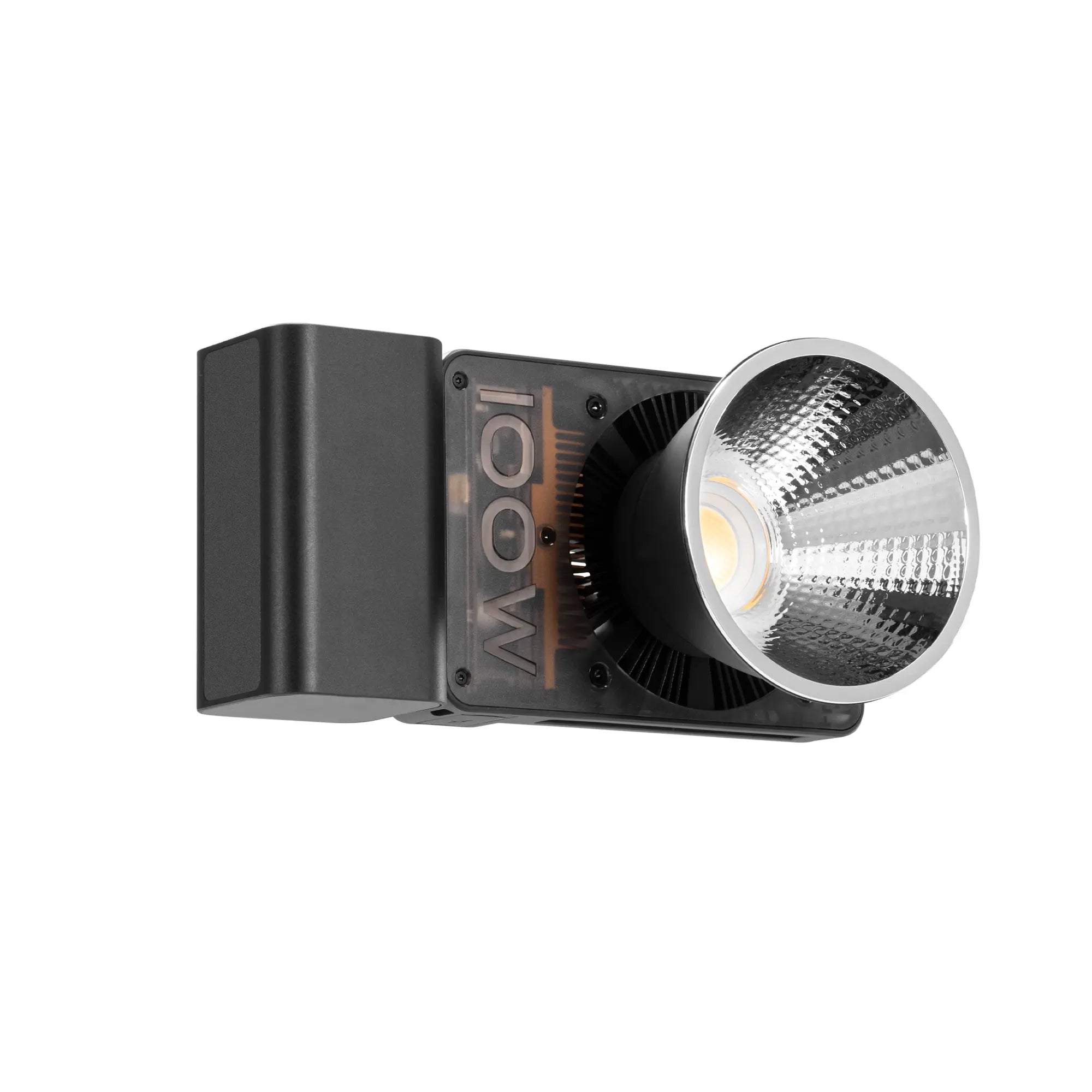
If you're looking for the best RGB light for videography, one standout option is the ZHIYUN MOLUS X100RGB, a compact yet powerful professional LED video light designed for both studio and on-the-go shooting.

How to Choose the Right Mobile Phone Gimbal for Your Needs?

Aug 22, 2025
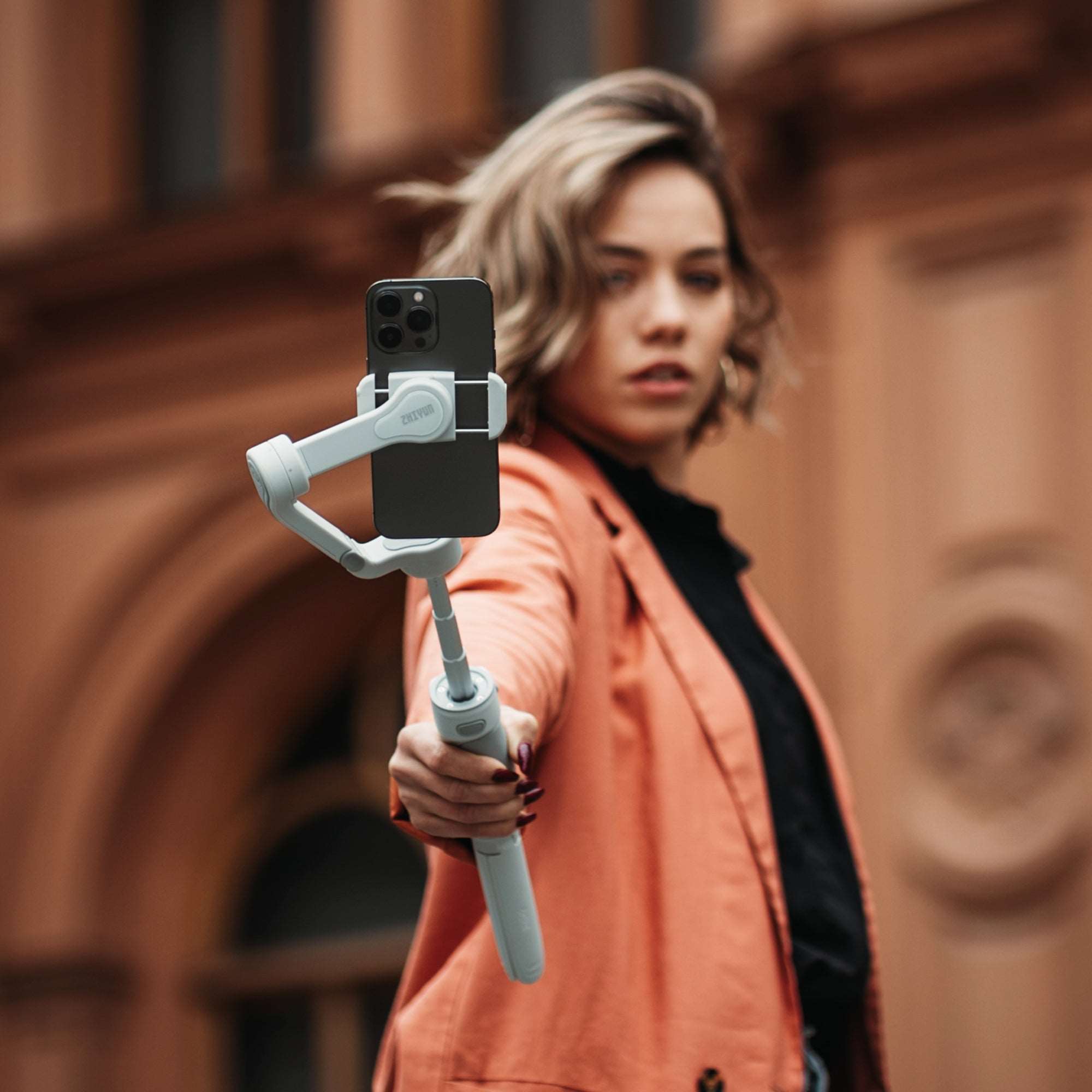
Unlike basic stabilizers, the ZHIYUN SMOOTH 5E combines advanced stabilization with AI-powered features and creative shooting modes. It is not only a mobile stabilizer but also a creative tool for storytelling.

ZHIYUN CRANE 4 Review: Is It the Best Camera Stabilizer for Professional Filmmakers?

Aug 04, 2025
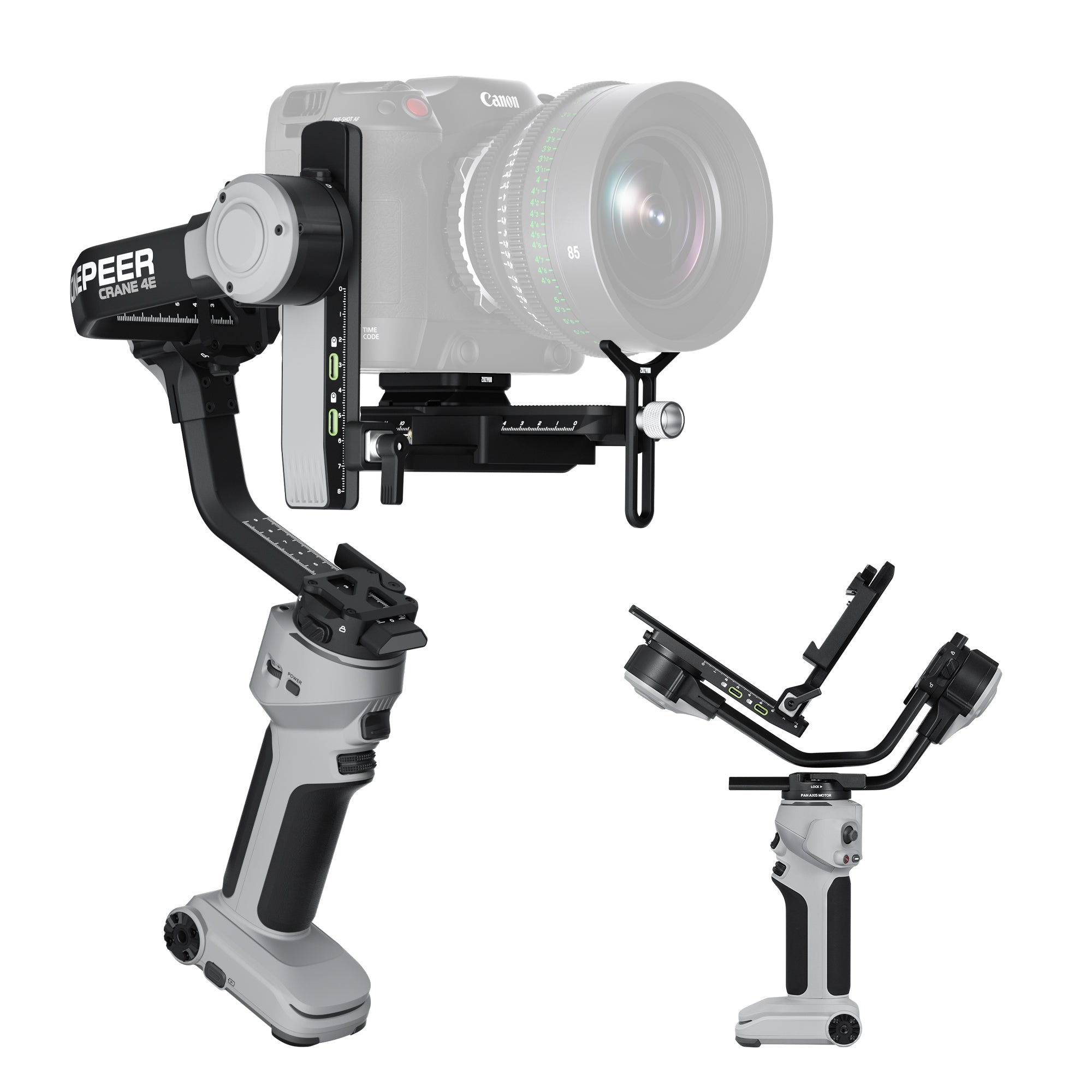
For professional filmmakers, the ZHIYUN CRANE 4 ticks all the boxes. It's versatile, powerful, and built to support heavy camera setups while providing smooth, steady shots. If you're looking for a best camera stabilizer that offers excellent performance and ease of use, the CRANE 4 is an excellent choice.

Top 5 Features to Look for in the Best LED Lights for Video Production

Aug 01, 2025
With a body depth of just 84mm, MOLUS G300 is nearly 75% smaller than standard industry LED lights of similar wattage. Weighing only 1.56kg, it is approximately 60% lighter than comparable models—without sacrificing brightness or reliability.

How ZHIYUN Smooth 5S AI Phone Gimbal Transforms Your Videos

Jul 27, 2025
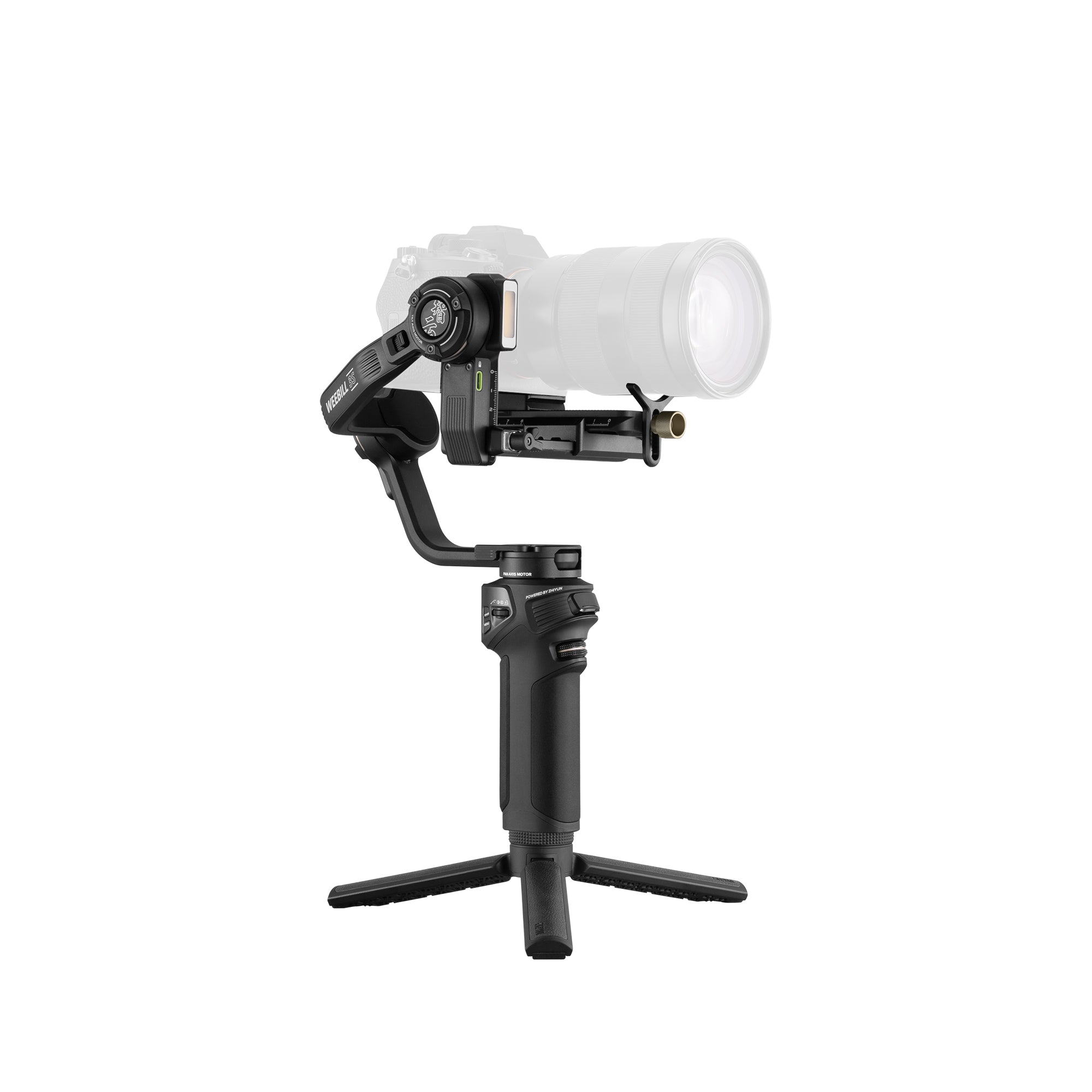
From AI subject tracking to gesture control, the Smooth 5S AI enhances both your shooting experience and the final video output. Plus, with the added benefit of a built-in fill light and its true 3-axis gimbal, you can expect smooth, steady, and well-lit footage.

ZHIYUN Smooth 5S AI Review: Best Phone Gimbal for Travel Vlogging

Jul 25, 2025
Discover why the ZHIYUN Smooth 5S AI is the ultimate lightweight phone stabilizer for travelers. With advanced AI tracking function and a built-in fill light, this powerful travel gimbal ensures smooth, cinematic video in any environment—perfect for vloggers, content creators, and adventurers on the go.

Full-Color RGB and Advanced Cooling: The ZHIYUN CINEPEER C100 & CF100 for Professional Lighting Control

Jan 02, 2025
When it comes to enhancing your filmmaking or content creation experience, lighting is everything. Whether you're shooting a commercial, livestreaming, or capturing cinematic scenes, the right lighting can take your visuals to new heights. ZHIYUN's CINEPEER series — the C100 and CF100 — offer a perfect blend of versatility, high performance, and portability, making them essential tools for both professionals and hobbyists. In this blog, we will explore the key features of these two innovative lighting solutions and why they should be your go-to choice for any creative endeavor. ZHIYUN CINEPEER C100: The Ultimate Light for Every Scenario The ZHIYUN CINEPEER RGB C100 Stick Light is a high-performance lighting solution that combines portability with an exceptional feature set, making it ideal for a variety of applications from video production to live streaming. Full-Color RGB: 36,000 Color Options One of the standout features of the ZHIYUN C100 pixel light is its ability to deliver a wide range of colors. Thanks to its RGBWW 5-in-1 color mixing technology, the C100 offers an impressive 36,000 color options, allowing you to choose the perfect hue for any scene. Whether you're working on a film set, shooting a commercial, or live-streaming an event, the C100 lets you paint with true colors that match your vision. Perfect Color Accuracy The CINEPEER C100 not only delivers a broad range of colors, but it also ensures that your images are true to life. With a high CRI (≥98) and TLCI (≥95), this light guarantees accurate color reproduction, ensuring that your visuals have the vibrancy and richness you need. Its adjustable color temperature range of 2700K to 6500K provides precise control over white balance, giving you flexibility in any shooting environment. Music Mode and Lighting Effects The C100 Light is equipped with built-in music mode and a wide array of lighting effects, including six lighting moods and seven customizable effects. This makes it the perfect tool for dynamic video production, including livestreams, commercials, and music videos. You can create unique atmospheres and moods effortlessly, bringing your creative ideas to life with ease. Long Battery Life and Adaptive Charging One of the most impressive features of the C100 is its ultra-long battery life. Powered by six 4500mAh 21700 batteries, it offers nearly one hour of runtime at full power. The C100 supports triple power options — DC, PD, and built-in batteries — allowing for continuous use even while charging. This flexibility ensures that you never have to worry about power running out during crucial moments of your shoot. Smart Cooling Technology The ZHIYUN DynaVort™ Cooling System ensures that the C100 stays cool even under heavy use. With a dynamic cooling system and intelligent fan speed control, the light maintains consistent performance without overheating, allowing you to focus on your creative process. ZHIYUN CINEPEER CF100: A High-Power Lighting Solution for Every Creative The ZHIYUN CINEPEER CF100 is another exceptional product in the CINEPEER series, offering similar high-performance features but with added power and versatility. It is designed for creators who need more robust lighting to complement their vision. High-Performance 100W Power The ZHIYUN CF100 Stick Light delivers a powerful 100W of output, making it ideal for both main and fill lighting in various scenarios. In CCT mode, it provides a standard illuminance of 1370 Lux, which can reach up to 2610 Lux in full-power mode. This makes it highly effective for even the most challenging lighting setups, whether you're filming in low-light environments or need to enhance the intensity of your scene. Full-Color RGB with HSI Mode Like the CINEPEER C100, the CF100 features full-color RGB capabilities with HSI and RGB operation modes. However, the CF100 offers nearly double the color output performance compared to similar products, providing greater flexibility for background illumination and vibrant color scene capture. Whether you're working with ambient lighting or need to create dramatic effects, the CF100's wide color spectrum gives you complete creative control. Rich Lighting Effects The CINEPEER CF100 also comes equipped with six built-in lighting moods and seven customizable lighting effects. This makes it an excellent choice for creators who want to experiment with different lighting setups and effects, such as glowing lightsabers or fluid color transitions. The ability to control each LED's brightness and color gives you the freedom to create unique and dynamic looks for your projects. Advanced Cooling System and Worry-Free Charging The CF100 Light boasts ZHIYUN’s advanced DynaVort™ Cooling System, which ensures exceptional brightness and stability even during extended use. The CF100 can run for over an hour at full power with its six 2600mAh batteries. It also supports multiple power supply options, including DC, PD, and its built-in battery, allowing for continuous use while charging. This ensures that you can stay focused on your shoot without worrying about battery life. Why Choose ZHIYUN CINEPEER C100 and CF100? Both the ZHIYUN C100 and CF100 Stick Light are designed to meet the needs of modern content creators who demand high-quality, reliable lighting solutions. Whether you’re a professional filmmaker or a passionate hobbyist, these lights offer everything you need to bring your creative ideas to life: Ultra-Long Battery Life:Keep your lights on as long as your creativity lasts. Full-Color RGB and High CRI: Achieve accurate and vibrant colors for every scene. Rich Lighting Effects and Music Mode:Enhance your visuals with dynamic, customizable effects. Advanced Cooling Technology:Maintain optimal performance without overheating. Portable and Lightweight: Take these compact lights wherever your creativity takes you. In conclusion, the ZHIYUN CINEPEER C100 and CF100 are must-have lighting tools for anyone serious about creating professional-grade content. With their powerful performance, versatile color options, and innovative features, these lights will elevate your projects to the next level. Whether you're filming a high-stakes commercial or streaming your next event, these lights offer everything you need to succeed.

From Gesture Control to Built-In Lighting A Deep Dive into ZHIYUN Smooth 5S AI

Jan 02, 2025
In the world of mobile videography, achieving professional-grade stabilization and creative control can be challenging. However, ZHIYUN Smooth 5S AI is here to redefine what’s possible for creators. Let’s explore how the ZHIYUN Smooth 5S AI can transform your smartphone into a filmmaking powerhouse. What Makes the ZHIYUN Smooth 5S AI Stand Out? Advanced Magnetic AI Tracker The standout feature of the Smooth 5S AI is its magnetic AI tracking module. This advanced tracker can be attached to the front or rear of the gimbal, offering precise subject tracking for dynamic shots. The intuitive gesture control makes it easy to manage the tracking function, enabling remote video recording and custom framing. Whether you're shooting solo or capturing fast-moving subjects, this feature ensures your videos stay focused and professional. Crystal-Clear Craftsmanship The Smooth 5S AI boasts a meticulously designed crystal-clear body, combining a textured translucent material with multi-layer spraying techniques for a glossy, smooth finish. This sophisticated design not only enhances the gimbal’s aesthetic appeal but also improves grip and comfort with its silicone-wrapped handle. Built-In and Magnetic Fill Lights Lighting is crucial in videography, and the Smooth 5S AI excels in this aspect. Equipped with a built-in fill light delivering 650 lux peak illuminance, it ensures your shots are well-lit even in challenging conditions. Additionally, the dual magnetic fill lights provide a peak illuminance of 2040 lux, creating unmatched lighting effects that make your videos shine. Orthogonal 3-Axis Structure ZHIYUN’s industry-leading orthogonal 3-axis structure offers full-angle movement and impressive load capacity. This design allows for 360° unlimited rotation, unlocking immersive visual effects like the "Vortex Mode." Whether you’re shooting cinematic pans or dynamic action sequences, this structure ensures smooth and stable footage. All-in-One Control Panel The Smooth 5S AI features a user-friendly control panel that places all key functions at your fingertips. From adjusting parameters to switching shooting modes, the panel streamlines your creative process, allowing you to focus on capturing stunning visuals. ZY Cami and StaCam Apps ZHIYUN’s ZY Cami app offers exclusive SMART mode and intelligent video templates for quick and convenient editing. For more advanced users, the StaCam app provides professional tools like customizable framing, lens focal length adjustments, and depth beauty effects, enabling professional-grade video production. Comparing the Smooth 5S and Smooth 5S AI While the ZHIYUN Smooth 5S offers robust stabilization, intuitive controls, and dual magnetic fill lights, the Smooth 5S AI takes it a step further with AI-powered features. The addition of the magnetic AI tracker and intelligent gesture control makes it ideal for solo creators and dynamic shooting scenarios. Both models share a commitment to exceptional stabilization, versatile lighting, and ergonomic design, but the Smooth 5S AI stands out for its ability to seamlessly integrate AI into the filmmaking process. Why Choose the ZHIYUN Smooth 5S AI? If you're a mobile filmmaker looking to elevate your content, the Smooth 5S AI is a worthy investment. Here’s why: Unmatched Stabilization:With ZHIYUN’s advanced stabilization algorithm and high-torque motors, the Smooth 5S AI ensures professional-grade smoothness for your videos. Enhanced Creativity: The integrated fill lights and Vortex Mode unleash new creative possibilities, allowing you to experiment with different styles and effects. AI-Powered Precision:The magnetic AI tracker and gesture control enable hands-free operation, making it easier than ever to capture complex shots. Ergonomic Design:The crystal-clear body and silicone-wrapped handle ensure comfort during long shooting sessions. Final Thoughts The ZHIYUN Smooth 5S AI is more than just a gimbal—it’s a complete mobile filmmaking solution. Whether you’re a beginner or a seasoned creator, this device empowers you to produce professional-quality videos with ease. Its combination of advanced stabilization, intelligent features, and exquisite design make it an essential tool for anyone serious about mobile videography. Discover how AI can revolutionize your content by exploring the next blog: "Let AI Direct: Elevate Your Content with a Smart Smartphone Gimbal." FAQS: Q: Can I shoot vertically with the Smooth 5S AI? A: Yes, the gimbal supports both vertical and horizontal shooting for versatile filmmaking needs. Q: How does the magnetic AI tracker enhance filming? A: The advanced magnetic AI tracker supports intuitive gesture controls and custom framing, enabling easy long-distance solo shooting and intelligent object tracking. Q: What is the runtime of the ZHIYUN Smooth 5S AI? A: The gimbal operates continuously for up to 7 hours with the AI tracker and built-in fill light on and up to 24 hours with standard use after a 2-hour full charge.

RGB Film Lights 101: Everything You Need to Know

Dec 24, 2024
In the world of filmmaking, lighting plays a crucial role in setting the tone, mood, and visual appeal of any scene. Among the various types of lighting available, RGB film lights have emerged as a revolutionary tool for filmmakers and videographers. These lights offer unparalleled versatility, allowing creators to experiment with a spectrum of colors and effects to bring their vision to life. In this guide, we’ll explore everything you need to know about RGB film lights, including their features, benefits, applications, and tips for getting the most out of them. What Are RGB Film Lights? RGB film lights are advanced lighting devices that use Red, Green, and Blue LEDs to create a broad spectrum of colors. By adjusting the intensity of each color, these lights can produce virtually any hue. Many RGB film lights also feature additional white LEDs (RGBW) or Amber LEDs (RGBA) for even greater precision and flexibility. They are widely used in film, photography, and video production for their ability to create dynamic lighting effects and enhance the visual storytelling process. Key Features of RGB Film Lights Customizable Colors:With RGB technology, users can create millions of colors to match their desired aesthetic or mood. Color Temperature Control: Many RGB film lights offer adjustable color temperatures, ranging from warm (2700K) to cool (6500K) tones, for natural-looking lighting. Built-in Effects:Most modern RGB lights come with pre-programmed effects such as flashing, strobing, or fading, ideal for creative projects. Portability:Compact and lightweight designs make these lights easy to carry and set up on location. Wireless Control:Many models can be controlled remotely via smartphone apps or dedicated controllers, providing convenience and precision. High CRI Ratings:RGB film lights often boast high Color Rendering Index (CRI) ratings, ensuring accurate color representation on camera. Benefits of Using RGB Film Lights Enhanced Creativity:RGB lights allow filmmakers to experiment with different colors and effects, opening new creative possibilities. Versatility:Whether you need a dramatic red for a horror scene or a soft blue for a serene moment, RGB lights can deliver. Cost-Effective:Instead of buying multiple gels or filters, you can achieve the desired color directly with RGB lights. Efficiency: LED technology ensures energy efficiency, reducing power consumption during long shoots. Ease of Use: Intuitive controls and wireless functionality make RGB film lights user-friendly, even for beginners. Applications of RGB Film Lights Cinematic Storytelling: Use colors to convey emotions and set the tone of your film. For instance, red can evoke intensity or danger, while blue can suggest calmness or melancholy. Music Videos: Create dynamic and visually striking scenes with colorful lighting effects. Product Photography:Highlight products with vibrant backgrounds or creative lighting setups. Interviews and Vlogs: Add subtle color accents to enhance the visual appeal without overpowering the subject. Events and Live Performances:RGB lights are perfect for creating immersive experiences during stage shows or concerts. Tips for Using RGB Film Lights Understand Color Theory: Familiarize yourself with basic color theory to effectively use RGB lights for storytelling. Complementary colors, for instance, can create striking contrasts. Balance Natural and Artificial Light:When using RGB lights outdoors or alongside other light sources, ensure they blend seamlessly for a cohesive look. Experiment with Angles and Positions: The placement of your RGB lights can dramatically change the scene’s mood and depth. Use Diffusers: To soften the light and reduce harsh shadows, consider using diffusers or softboxes. Take Advantage of Pre-Set Modes: Save time by utilizing pre-programmed effects for scenes that require dynamic lighting changes. Control Intensity: Avoid overpowering your scene by adjusting the brightness to suit your subject and background. Choosing the Right RGB Film Light When selecting an RGB film light, consider the following factors: Brightness: Ensure the light is powerful enough for your shooting environment. Portability: Look for a lightweight model if you frequently shoot on location. Control Options:Check for wireless or app-based control for added convenience. Battery Life:Opt for lights with long battery life or AC power options for uninterrupted shoots. Budget: Determine your budget and choose a model that balances features and cost. Featured RGB Film Lights ZHIYUN FIVERAY M20C The ZHIYUN FIVERAY M20C is an ultra-portable RGB light that delivers professional-grade performance in a compact, pocket-sized design. Weighing just 200g, it offers a powerful 20W output with precise HSI dimming and full RGB color control. The ZHIYUN M20C features 16 built-in FX light effects, including dynamic modes like music-syncing and color-changing effects. Its magnetic mount allows for easy attachment to metal surfaces, such as tables, walls, or vehicles, providing creative flexibility for any setup. Paired with Bluetooth Mesh control and the ZY Vega app, the M20C offers seamless coordination and remote manipulation, making it an excellent choice for both professionals and hobbyists on the go. ZHIYUN CINEPEER C100 The ZHIYUN CINEPEER C100 is another excellent RGB film light, offering an impressive range of 36,000 color options and high CRI and TLCI ratings for accurate color reproduction. It features built-in effects, including flashing, fading, and music mode, making it ideal for creative scenes and dynamic lighting effects. Whether you're shooting a live stream, an interview, or a commercial, the CINEPEER C100 is a versatile and high-performing light that can help elevate the quality of your production. With its intuitive controls and compact design, the ZHIYUN C100 RGB Stick Light is a great choice for filmmakers looking to enhance their lighting setup with ease. Conclusion RGB film lights have revolutionized the way filmmakers and photographers approach lighting. With their versatility, ease of use, and endless creative possibilities, they are an indispensable tool for modern content creators. Whether you’re a seasoned professional or just starting out, incorporating RGB film lights into your workflow can elevate your projects to new heights. By understanding the features, benefits, and applications of RGB film lights, you can make informed decisions and harness their full potential. So, grab an RGB film light and let your creativity shine through vibrant and dynamic visuals! FAQS: Q: What are RGB film lights? A: RGB film lights are lighting tools that use red, green, and blue LEDs to create a full spectrum of colors. They are commonly used in film and video production to add creative effects, adjust lighting moods, and provide flexibility in lighting design. Q: What is HSI dimming in RGB film lights? A: HSI dimming refers to the ability to adjust the Hue, Saturation, and Intensity of the light. This allows you to fine-tune the color output and brightness to achieve the perfect lighting for your scene. Q: How do I use RGB film lights for different types of shoots? A: RGB lights can be used in a variety of ways depending on your project. Use cool tones for calm or futuristic scenes, warm tones for intimate or emotional shots, or create dynamic effects for action or music videos. You can also use RGB lights as accent or background lighting in combination with key and fill lights. Q: Can RGB film lights help with color correction? A: Yes, RGB film lights can assist with color correction by offering precise control over the color temperature and hue of the light. This helps ensure that the lighting matches the desired mood or works with the color scheme of the scene, and can even be used to correct unwanted color casts during post-production.

Light, Shadows, and Contrast: A Beginner’s Guide to Photography

Dec 24, 2024
Photography is all about capturing moments, emotions, and stories. At the core of every great photograph is the interplay of light, shadows, and contrast. Understanding how to manipulate these elements is essential for creating compelling, visually striking images. Whether you're just starting out or looking to elevate your photography skills, this beginner's guide will help you understand how to use light, shadows, and contrast to enhance your photos. The Importance of Light in Photography Light is the most fundamental aspect of photography. Without it, capturing an image is impossible. In simple terms, light illuminates a subject, allowing your camera to record its details. But the type of light you use, its direction, intensity, and quality can dramatically affect the mood and composition of your photos. Types of Light in Photography Natural Light:Sunlight is the most common and accessible light source. It can change drastically throughout the day, creating different moods in your images. Early morning and late afternoon light—often referred to as the “golden hour”—has a warm, soft quality that is perfect for portraits and landscapes. Artificial Light: This includes studio lighting, lamps, flash units, and other man-made light sources. These can be used to fill in shadows, add contrast, or create specific lighting effects for more dramatic results. Soft vs. Hard Light:Soft light is diffused, creating gentle shadows and smooth transitions between highlights and lowlights. It’s ideal for portraits. Hard light, on the other hand, is direct and creates sharp, well-defined shadows. It’s great for emphasizing texture and form. How to Use Light in Photography Direction of Light:The way light hits your subject can transform the photo’s effect. Front lighting illuminates the subject evenly, while side lighting creates depth and texture. Backlighting, where light comes from behind the subject, can create a silhouette effect. Quality of Light: Natural light can be diffused through clouds, creating soft lighting, while harsh direct sunlight creates sharp shadows. As a photographer, you can use reflectors, diffusers, and other tools to modify the light. Intensity of Light:Light can be strong or soft. A high-intensity light source can create high-contrast images with sharp shadows, while soft light produces even, balanced lighting. The Role of Shadows in Photography Shadows are often underestimated, but they can add an incredible amount of depth, drama, and intrigue to an image. The way shadows interact with light can guide the viewer's eye and bring attention to specific parts of the photo. Shadows can also add mystery—often leaving some elements of the scene to the imagination. Types of Shadows in Photography Cast Shadows:These are the dark shapes formed when an object blocks light. Cast shadows can be used creatively to frame your subject or add layers to your composition. Form Shadows:These are the shadows that occur on the subject itself due to its shape and the direction of light. For instance, the shadow on a person’s face when light hits them at an angle can add dimensionality and texture. Shaping Shadows: You can use shadows to shape the form and texture of objects in your photo, enhancing the overall visual impact. When you photograph objects with interesting textures, shadows can emphasize their features. How to Use Shadows in Photography Enhance Composition: Shadows can be used to create visual interest. Try framing your subject with long, dramatic shadows to add a sense of depth or emphasize certain aspects of the image. Highlight Textures: Shadows can bring out textures in your subject. For example, in product photography, the play of light and shadow can highlight details that make the subject more appealing. Create Mood:The presence and depth of shadows can influence the mood of a photograph. Shadows can evoke feelings of mystery, suspense, or even romance depending on their size, direction, and intensity. Contrast in Photography: Bringing It All Together Contrast refers to the difference between the lightest and darkest elements of a photograph. It plays a pivotal role in creating visual interest and emphasizing the main subject of your image. In photography, contrast can be achieved by varying light levels, the interplay between shadows, and the overall tonality of the photograph. Types of Contrast High Contrast:High contrast images have a sharp difference between light and dark areas, often resulting in bold and dramatic images. This type of contrast is commonly used in black and white photography to emphasize shapes, textures, and shadows. Low Contrast:Low contrast images have more subtle differences between light and dark areas. These photos often have a soft, muted look, and are great for creating a calm or dreamy mood. Color Contrast: Contrast isn't just about light and shadow; it can also involve colors. Complementary colors, like blue and orange or red and green, can be used to create visual contrast and make certain elements pop. How to Control Contrast in Your Photos Adjust Lighting: Changing the intensity or direction of light can increase or decrease contrast. Soft light, for example, produces low contrast, while hard light creates high contrast. Use of Shadows: The placement and length of shadows can affect how much contrast appears in your image. Long, dramatic shadows tend to create higher contrast. Post-Processing: In post-editing software, you can adjust contrast by tweaking the exposure, highlights, shadows, and blacks. This allows you to fine-tune the final look of your photograph. Practical Lighting Tools for Creative Control To truly master the art of light and shadows, you need the right tools. For instance, the ZHIYUN MOLUS G300 is a powerful light source that offers adjustable brightness (up to 500W) and is ideal for controlling light intensity and creating dramatic contrasts. Its portability, along with the ZY Vega App for real-time adjustments, makes MOLUS G300 a perfect choice for photographers who want to experiment with different lighting setups and shadow effects. Similarly, the ZHIYUN MOLUS B-Series provides even more versatility, with a power range from 100W to 500W and precise control over color temperature (2700K to 6500K). The ZHIYUN MOLUS B500 offers impressive capabilities. With a lux rating of 19,200 (without reflector) and 76,400 (with reflector) at 1m distance. This allows you to explore both warm and cool light and see how these changes affect the contrast and mood of your photographs. The ability to control both brightness and color temperature gives you creative freedom to sculpt the light and shadows exactly as you envision. Putting It All Together: Tips for Beginners Experiment with Lighting Angles: Don’t be afraid to experiment with the direction and quality of light. Changing the angle can completely alter the mood of your photo. Use Shadows Creatively: Look for ways to use shadows to add texture, depth, and interest. Play with different light sources and how they interact with your subject. Find the Right Contrast:Understand how the contrast between light and dark elements impacts the tone of your image. High contrast works great for dramatic portraits, while low contrast is perfect for soft, serene landscapes. Conclusion Understanding the balance of light, shadows, and contrast is key to becoming a better photographer. These elements not only affect the mood and composition of your photographs but also help you tell a compelling visual story. As a beginner, take time to experiment with different lighting techniques, shadow play, and contrast to discover your unique style. With practice, you'll be able to harness the power of light and shadows to create beautiful, impactful images that stand out. FAQS: Q: What is contrast in photography? A: Contrast refers to the difference between the light and dark areas in a photo. High contrast creates bold, dramatic effects, while low contrast results in softer, more subtle images. Contrast helps to define your subject and enhances visual interest. Q: What is the difference between soft light and hard light? A: Soft light is diffused, creating gentle shadows and smooth transitions, which is ideal for portraits. Hard light, on the other hand, is direct and creates sharp, well-defined shadows, often used for emphasizing texture or dramatic effects. Q: How can I control shadows in my photos? A: You can control shadows by adjusting the angle and distance of your light source. Using modifiers like reflectors or diffusers can soften shadows, while moving the light source closer or further away can create different shadow intensities. Q: How do I create a silhouette using light and shadow? A: To create a silhouette, position your subject in front of a strong backlight, such as the sun or a bright light source. Ensure the subject is completely dark with no visible details, highlighting only its shape.

6 Essential Accessories for Mobile Photography Enthusiasts

Dec 16, 2024
Mobile photography has transformed the way we capture and share moments. With advancements in smartphone cameras, creating professional-quality photos is now within everyone's reach. However, to unlock your full creative potential, having the right accessories is crucial. In this guide, we’ll explore essential tools that every mobile photography enthusiast should consider adding to their kit. Why Accessories Matter in Mobile Photography Smartphone cameras are impressive, but they have limitations. Accessories help overcome these limitations, enhancing your photography experience by improving stability, lighting, angles, and creativity. Whether you're a beginner or a seasoned mobile photographer, the right gear can make a significant difference in your shots. 1. Tripods for Stability and Precision A tripod is a must-have for sharp, steady photos, especially in low-light settings or when capturing long exposure shots. • Mini Tripods: Compact and lightweight, these are perfect for on-the-go photographers. • Flexible Tripods: Their bendable legs allow you to mount your phone on unconventional surfaces, opening up creative angles. • Recommendation: Look for models with a secure phone holder and adjustable height. • Pro Tip: Pair your tripod with a remote shutter to eliminate camera shake while taking photos. 2. External Lenses for Versatility Smartphone lenses are great for general photography, but external clip-on lenses can expand your creative options. • Wide-Angle Lenses: Ideal for landscapes and group shots. • Macro Lenses: Perfect for capturing intricate details of flowers, textures, or insects. • Telephoto Lenses: Great for zooming in on distant subjects while maintaining image quality. • Pro Tip: Invest in high-quality glass lenses for sharper and clearer images. 3. Portable Lighting for Perfect Illumination Lighting is a cornerstone of photography. Portable lights can make a huge difference in your shots. • Ring Lights: Provide even, soft light, perfect for selfies or close-ups. • LED Panels: Versatile and adjustable, ideal for both indoor and outdoor shoots. • Flash Attachments: Add extra brightness and enhance shadows in low-light conditions. Incorporating advanced lighting solutions like the ZHIYUN CINEPEER CX100 enhances your mobile photography and videography setups. The compact 100W output provides powerful illumination with up to 3840Lux brightness, making it ideal for both indoor and outdoor shoots. The CX100’s Pro Color Rendering ensures true-to-life colors with a wide 2700K-6500K range, maintaining a high CRI≥96 and TLCI≥97 for professional-grade results. With its intuitive dual-dial design for precise color temperature and brightness control, the ZHIYUN CX100 offers unmatched versatility. Its expandable compatibility with various accessories and Bowens mount modifiers allows for limitless creative possibilities. The lightweight design, paired with advanced cooling and versatile power options, ensures reliability and ease of use for cinematic-quality lighting in any scenario. 4. Gimbals for Smooth Videos and Dynamic Angles For mobile videography or action shots, a gimbal is indispensable. These stabilizers help eliminate shaky footage, enabling you to create cinematic videos. • Key Features to Look For: Lightweight design, extended battery life, and multiple shooting modes. The ZHIYUN Smooth 5S AI phone gimbal​ combines cutting-edge technology with stunning craftsmanship to enhance mobile videography. Featuring a magnetic AI tracker, it offers intelligent gesture control for smooth, effortless subject tracking and remote video recording. The crystal-clear, meticulously carved body provides a sophisticated look, while the orthogonal 3-axis structure supports unlimited 360° rotation, allowing for dynamic and immersive shots. With built-in fill lights offering up to 650 lux peak brightness and the option to expand to 2040 lux with magnetic add-ons, the Smooth 5S AI ensures optimal lighting in any environment. Its advanced stabilization technology and all-in-one control panel make professional-grade mobile filmmaking more accessible and versatile than ever before. 5. Cleaning Kits for Crystal Clear Shots Dirty lenses can ruin your photos. A simple cleaning kit with a microfiber cloth, lens cleaning solution, and an air blower ensures your camera lens remains spotless. 6. Props and Backgrounds for Creative Setups Props and backgrounds can add personality and depth to your photos. Ideas: Use colorful papers, textured fabrics, or small objects to create a unique scene. Portable Backdrops: Lightweight and foldable options are easy to carry and set up anywhere. Conclusion Mobile photography is more accessible than ever, and with the right accessories, you can take your skills to the next level. From stabilizing tripods to lighting solution like the ZHIYUN CINEPEER CX100, these tools empower you to experiment, refine, and create stunning visuals. Invest in these essential accessories, and watch your mobile photography evolve into a professional art form. FAQS: Q: How does external lighting improve mobile photography? A: External lights, such as ring lights or compact LED panels, provide consistent illumination, highlight textures, and enhance image quality, especially in low-light or indoor settings. Q: What type of lenses can be added to a smartphone for creative photography? A: Clip-on lenses are excellent for broadening your creative horizons. Wide-angle lenses are great for landscapes and group shots, macro lenses let you capture intricate details up close, and telephoto lenses are ideal for distant subjects. These lenses provide a cost-effective way to explore professional techniques without investing in a dedicated camera. Q: What accessories are best for capturing long-exposure shots? A: Long-exposure photography requires a stable tripod to prevent motion blur, a remote shutter release to avoid touching the phone during the shot, and neutral density (ND) filters to control light exposure in bright environments.

Exploring Food Photography with Different Lighting Styles: A Comprehensive Guide

Dec 16, 2024
Food photography is more than just snapping a picture of a dish; it's an art form that combines creativity and technical expertise. One of the most crucial aspects of capturing stunning food photographs is lighting. In this blog, we’ll explore how food photography looks with different types of lighting, including the effects of ring lighting and softbox lighting. Why Lighting Matters in Food Photography Lighting plays a significant role in setting the mood, highlighting textures, and making colors pop. Whether you're capturing the crispness of a fresh salad or the indulgent richness of a chocolate cake, the right lighting can make your food look irresistible. Poor lighting, on the other hand, can leave your dishes looking unappetizing. Different types of lighting create distinct effects, so choosing the right one depends on the story you want to tell. Let’s dive into the impact of various lighting styles and techniques in food photography. How Food Photography Looks with Different Types of Lighting Natural Light Natural light is one of the most commonly used lighting styles in food photography. Its soft and diffused quality brings out the natural textures and colors of food, making it an ideal choice for fresh, organic, or rustic-themed photos. Advantages: • Creates a natural and authentic look. • Requires minimal setup, making it perfect for beginners. • Works well with props to create storytelling compositions. Tips: • Shoot near a window during daylight hours. • Use a white curtain to diffuse harsh sunlight. • Reflect light with a white board to eliminate shadows. Example: A natural light setup can make a bowl of vibrant summer fruit look fresh and inviting. Artificial Light Artificial light gives photographers more control over the intensity, direction, and color temperature of the light. It’s a reliable choice for indoor shoots and consistent results, especially in professional settings. Types of Artificial Lighting: • Continuous lights. • Strobes or flash. • Specialty lights like ring lights and softboxes. Advantages: • Provides consistent lighting conditions regardless of the time of day. • Allows for creative experimentation with shadows and highlights. Example: Artificial light setups can create dramatic shots of gourmet dishes for advertisements. How Food Photography Looks with Ring Lighting Ring lighting is a popular choice in food photography, especially for creating even, shadowless light. This type of lighting is perfect for focusing attention on the subject while maintaining a clean, professional look. Key Features of Ring Lighting: • Produces circular, uniform light. • Minimizes harsh shadows. • Often creates a subtle highlight effect, especially on glossy surfaces. Advantages: • Perfect for close-up shots of detailed food items. • Enhances texture, such as the crispy edges of a pastry or the glossy surface of a sauce. Example: Using ring lighting to capture the intricate details of a frosted cupcake can make the dessert appear more appealing. Tips: • Position the ring light directly in front of your subject for even illumination. • Adjust brightness levels to avoid overexposure. • Use a macro lens for detailed shots. How Food Photography Looks with Softbox Lighting Softbox lighting is a staple in food photography, providing a diffused, even light that reduces harsh shadows and enhances the textures and details of your subject. This lighting style works wonders for capturing the natural allure of food, making it look both appetizing and true to life. For photographers looking to elevate their setups, the MOLUS X100, paired with the ZHIYUN Mini Softbox, offers a game-changing solution. The ZHIYUN X100’s compact, lightweight design delivers professional-grade 100W output, ensuring your shots are illuminated with precision and consistency. The addition of the Mini Softbox for X100 further diffuses the light, creating a beautifully soft effect that highlights every intricate detail of your culinary creations. Whether you’re working in a professional studio or a small kitchen, this combination provides portability and power without compromising on quality. Advantages: • Highlights the texture of food without overpowering shadows. • Ideal for flat-lay compositions and side lighting. • Versatile for both professional and casual shoots. Example: A softbox can beautifully illuminate a stack of pancakes, highlighting the syrup’s drip and the fluffiness of the layers. Tips: • Place the softbox at a 45-degree angle for side lighting. • Combine with reflectors to balance light on the opposite side. • Experiment with multiple softboxes for dynamic lighting effects.   Conclusion Lighting is the cornerstone of food photography, capable of elevating a simple dish into a masterpiece. Whether you’re using natural light, ring lighting, or softbox lighting, understanding how each affects your photos is key to creating compelling images. With the right lighting, you can make your audience’s mouths water before they even take a bite. Try experimenting with these lighting styles and watch your food photography skills flourish! FAQS: Q: Why is lighting important in food photography? A: Lighting sets the mood and highlights the texture, color, and details of food, making dishes look more appealing. Proper lighting can transform a simple dish into a visual masterpiece, while poor lighting can make food appear dull and unappetizing. Q: How can I use natural light effectively for food photography? A: To make the most of natural light, shoot near a large window during daylight hours. Use a sheer curtain to diffuse harsh sunlight, and place a white foam board or reflector opposite the window to bounce light and soften shadows. Timing is also crucial—early morning or late afternoon often provides the best natural light. Q: How does softbox lighting improve food photography? A: Softbox lighting produces a diffused, even glow that eliminates harsh shadows and brings out the natural beauty of food. It’s particularly useful for flat-lay compositions or angled shots that require a soft, professional aesthetic. Q: How do I avoid shadows in food photography? A: To reduce shadows, use a diffuser to soften light, reflectors to bounce light back into shadowed areas, or multiple light sources to balance the illumination. Experiment with light positioning—placing your light source at a 45-degree angle often reduces shadows while maintaining a natural look. Q: What are some tips for experimenting with food photography lighting? - Try side lighting to highlight textures like the crispy edges of pastries. - Use backlighting for translucent effects, such as drinks or fresh greens. - Experiment with color gels on artificial lights to create mood and contrast. - Adjust the light intensity to balance exposure and details. - Incorporate storytelling props like utensils, ingredients, or rustic tableware to complement your lighting style and bring the scene to life.