










Landscape Photography Tips: Mastering Lighting, Stability & Advanced Shooting Techniques
Landscape photography celebrates the grandeur of nature—from dramatic mountain vistas to serene coastal horizons—yet professional-grade results demand mastery over unpredictable natural light, precise exposure management, and rock-solid camera stability. Unlike controlled studio environments, landscapes require adaptability to shifting conditions, weather, and terrain.
This guide focuses on proven techniques for harnessing golden hour and twilight light, strategically incorporating supplemental lighting, achieving long-exposure effects, and ensuring cinematic stability for both stills and video. Whether capturing epic static compositions or dynamic travel footage, these methods help elevate your outdoor imagery.
The Dynamics of Natural Lighting in Landscapes
Light quality, direction, and intensity evolve constantly, directly influencing mood, depth, texture, and color saturation.
Key challenges include:
- Harsh midday contrast — High overhead sun creates deep shadows, blown highlights, and flat midtones.
- Uneven illumination — Unequal lighting across vast scenes leads to unbalanced exposures.
- Rapid weather shifts — Clouds, fog, or sudden changes can transform a scene in minutes.
Most professionals prioritize the golden hour (roughly the hour after sunrise and before sunset) for its warm, low-angle directional light (~3000–4200K), which produces long, soft shadows, enhanced textures, and rich saturation.
Golden Hour Techniques for Maximum Impact
Golden hour light is low and directional, ideal for sculpting landscapes with depth and drama.

Core approaches:
- Side lighting — Position yourself so the sun rakes across the scene at 45–90° angles to emphasize texture in rocks, foliage, sand dunes, or tree bark.
- Backlighting & rim lighting — Shoot toward the sun for silhouettes, sunstars (use f/11–f/16), or glowing edges on leaves and mist.
- Front lighting — Less common but effective for even illumination of foreground details when the sun is behind you, especially in high-elevation or valley shots.
Advanced tips:
- Scout locations in advance and visualize compositions under golden hour conditions.
- Use graduated ND filters to balance bright skies with darker foregrounds.
- Bracket exposures (3–5 stops) for HDR blending in post to retain detail in highlights and shadows.
Incorporating Artificial Lighting for Enhanced Control
While natural light dominates landscapes, portable artificial sources add creative flexibility, particularly in low-light, twilight, or night scenarios.
Effective uses include:
- Painting foreground elements — Illuminate rocks, flowers, or trees during blue hour or night to add depth and separation.
- Balancing exposures — Fill shadows in uneven scenes or extend shooting into twilight without losing detail.
- Creative accents — Subtle warm or cool gels on specific areas for mood (e.g., warm foreground against cool sky).
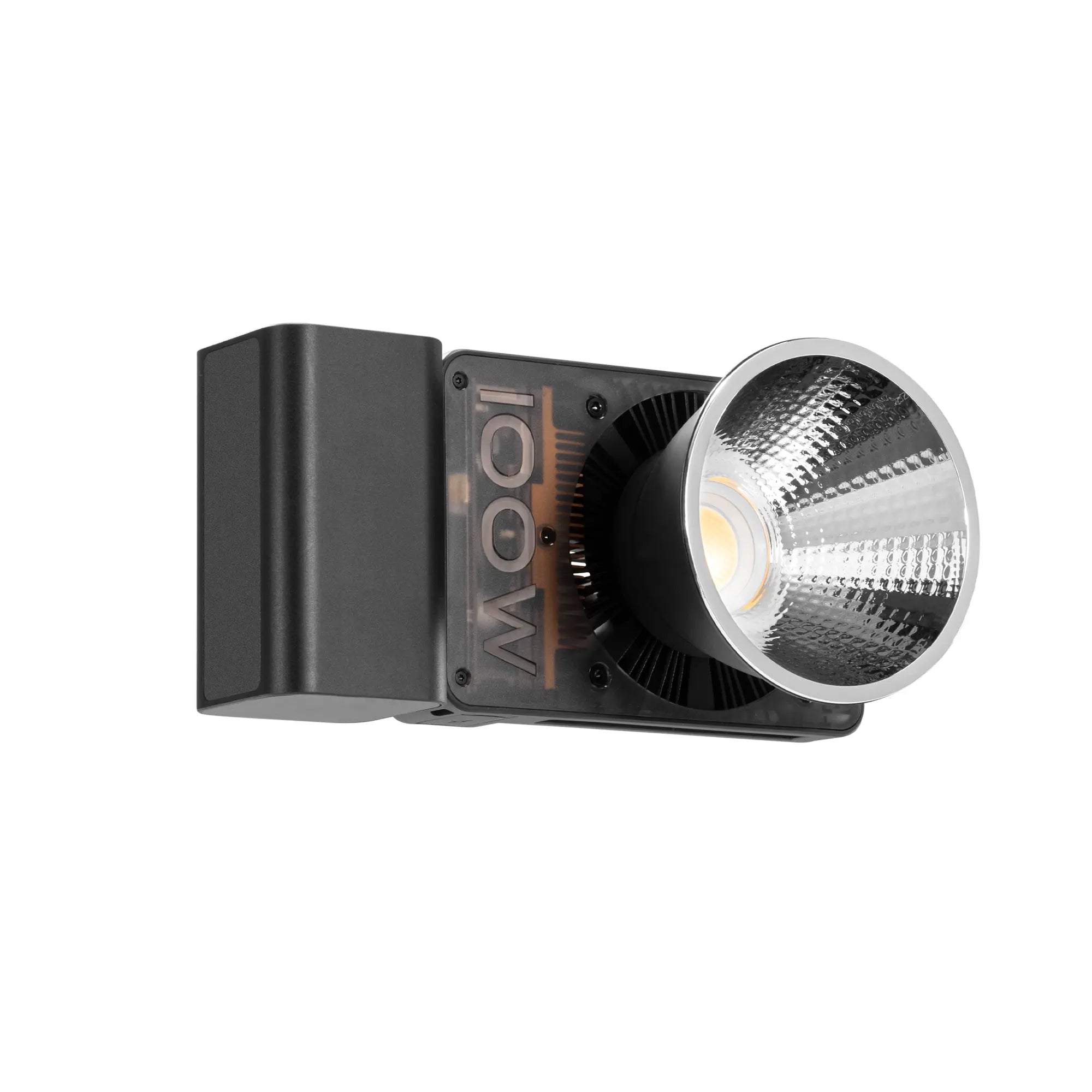
The Zhiyun Molus G200—a compact 200W bi-color COB LED (2700K–6500K CCT, CRI ≥95, TLCI ≥97, peak output up to 300W in MAX mode, ~61,500 lux @1m with reflector)—delivers powerful, high-quality illumination in a portable package. Its Bowens mount compatibility allows modifiers like softboxes or grids for controlled beams, making it suitable for outdoor foreground enhancement without excessive weight or bulk.

Stability Essentials for Sharp Landscapes & Long Exposures
Long exposures (1–30+ seconds) are a landscape staple for rendering silky water, streaking clouds, or star trails, but they demand uncompromising stability.
- Use a sturdy tripod with a ball or panoramic head, weighted for wind resistance.
- Employ mirror lock-up, 2-second timer, or remote release to eliminate vibration.
- For daytime long exposures, apply strong ND filters (6–15 stops) to extend shutter speeds while maintaining wide apertures for depth of field.
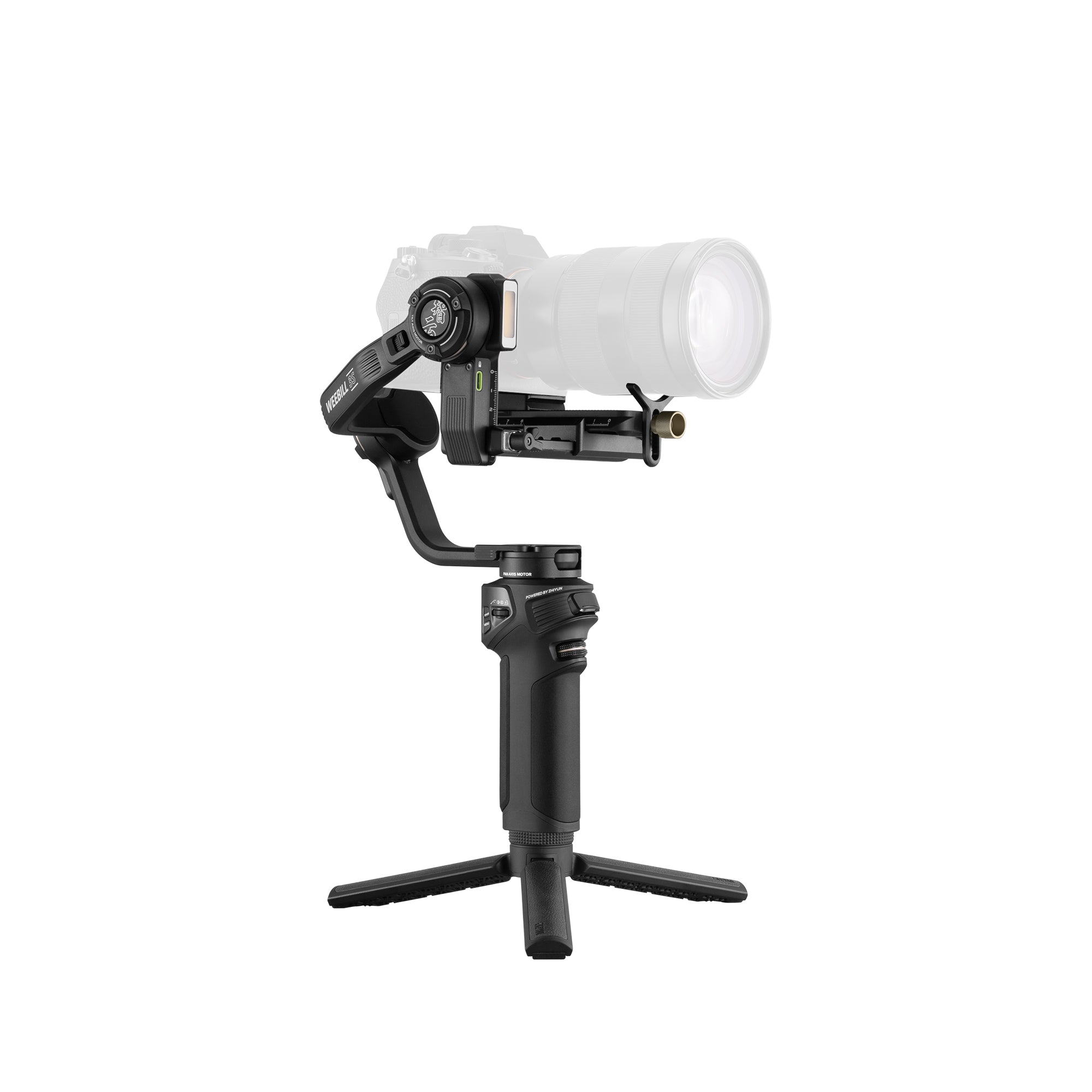
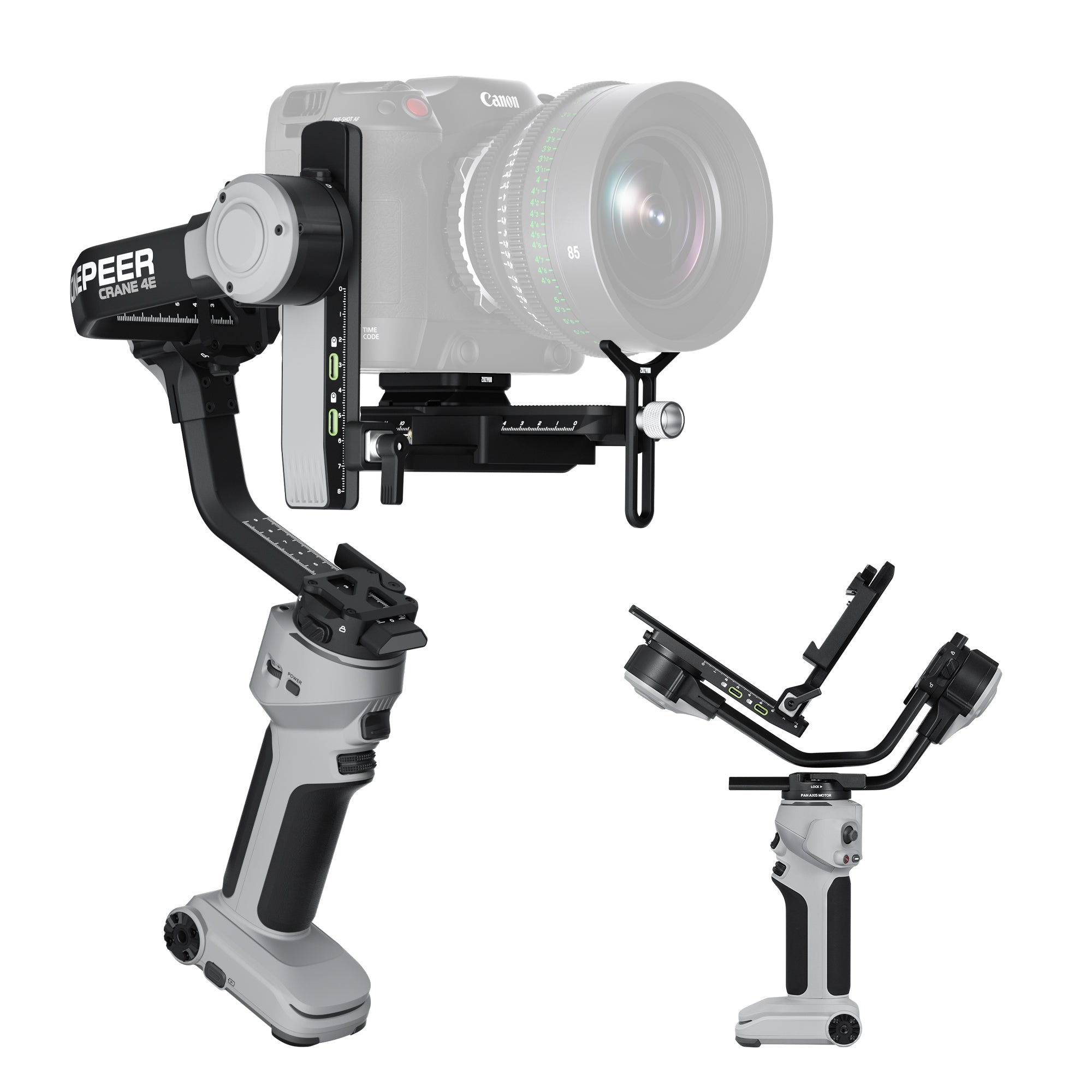
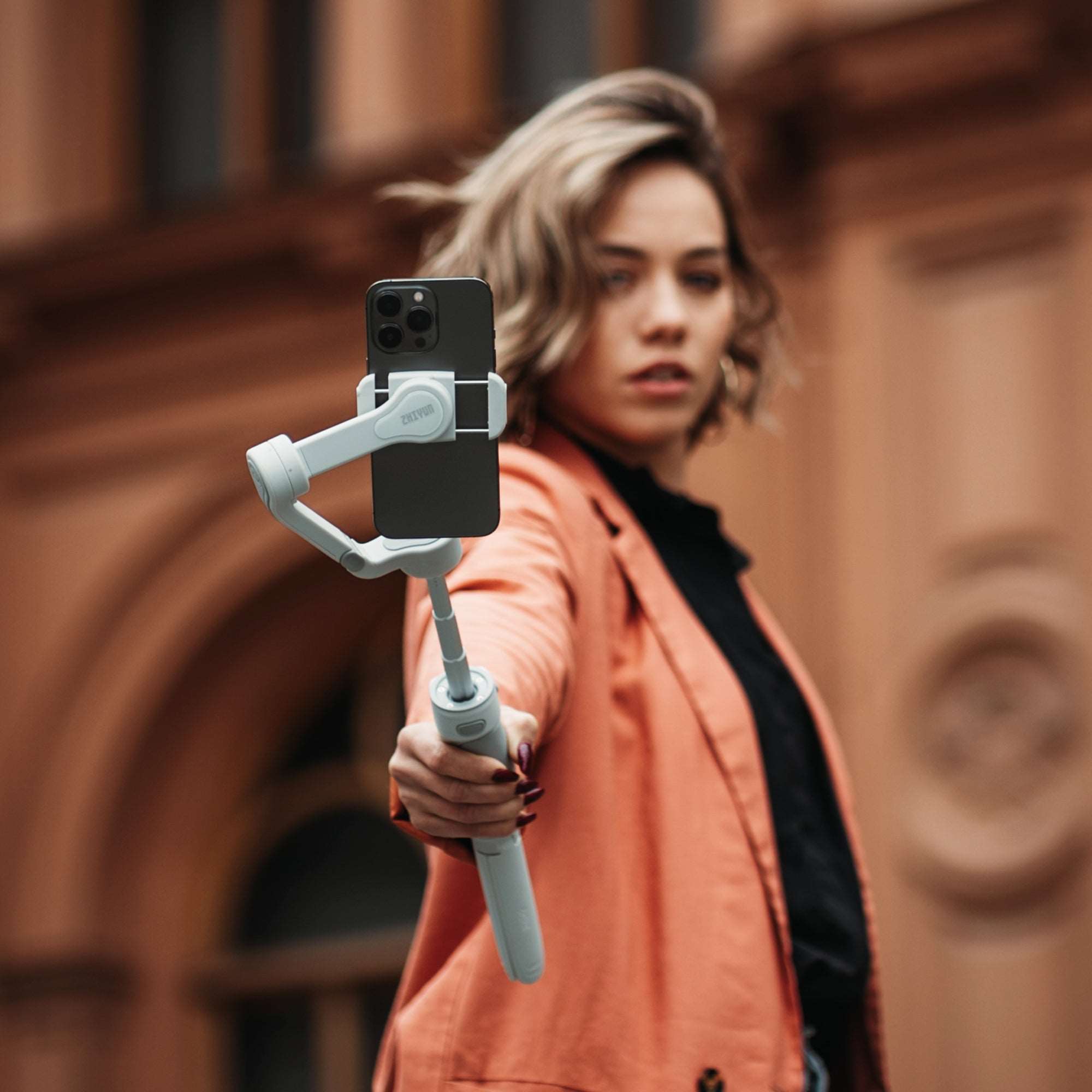
In landscape videography—popular for social media travel reels and cinematic sequences—Zhiyun Crane series gimbals enable smooth, handheld motion: slow pans, walking reveals, or orbiting shots around focal points. Three-axis stabilization ensures professional fluidity, even on uneven terrain.
Composition Mastery in Varied Lighting
Strong composition amplifies lighting's impact:
- Leading lines & foreground interest — Use rocks, paths, or streams to draw the eye from foreground to distant horizons.
- Layered depth — Place distinct elements (foreground plants, midground ridges, background peaks) to create separation, enhanced by side or golden hour light.
- Rule of thirds & negative space — Position key features off-center; let dramatic skies or mist dominate for atmospheric scale.
Stabilized gear allows precise framing without shake, letting you focus on creative decisions.
Landscape Video Techniques for Cinematic Results
Modern landscape content often blends stills with motion for immersive storytelling.
Key methods:
- Slow, deliberate pans — Capture sweeping vistas with controlled speed for epic scale.
- Forward tracking/walking shots — Use gimbals to reveal scenes progressively (e.g., emerging from forest to open valley).
- Time-lapse integration — Combine long-exposure stills into smooth sequences for cloud movement or light transitions.
Zhiyun Crane gimbals support mirrorless/DSLR payloads with portrait/landscape transitions, delivering buttery-smooth footage that rivals dolly or slider work.
Conclusion
Landscape photography thrives on patience, preparation, and technical finesse. By prioritizing golden hour's directional magic, strategically supplementing with portable lights, mastering long exposures, and securing flawless stability, you can produce breathtaking, professional-grade images and videos in any remote setting.
For creators seeking lightweight yet powerful tools, the Zhiyun Molus G200 provides exceptional output and color accuracy for foreground enhancement, while Crane series gimbals deliver the stability needed for dynamic motion—forming a versatile, travel-ready foundation for both still landscapes and cinematic outdoor storytelling.