










How to Capture Flawless Wedding Videos Under Unpredictable Venue Lighting
Wedding videography is one of the most challenging forms of event filmmaking. A wedding day moves quickly from quiet preparation scenes to emotional ceremonies, crowded receptions, dim banquet halls, speeches, first dances, and spontaneous guest reactions. Unlike a studio shoot, there is no second take for the most important moments.
For wedding videographers, the biggest challenge is not only capturing beautiful images, but staying ready under constantly changing lighting and movement conditions. A ceremony may happen in soft outdoor sunlight, while the reception may take place in a dark hall filled with warm chandeliers, LED uplights, candles, and moving DJ lights. The camera operator needs to stay mobile, stable, and visually consistent throughout the day.
That is why a strong wedding video workflow should focus on three things: preparation, smooth camera movement, and flexible lighting. With the right approach and compact tools from ZHIYUN, wedding creators can build a lighter, more reliable setup without sacrificing cinematic quality.
The Chaos of Live Wedding Events and How to Prepare
A wedding day usually has a schedule, but the actual shooting environment is rarely predictable. The ceremony may start late, the couple may change their entrance route, or the reception venue may be darker than expected. If you arrive without a clear plan, you may spend the entire day reacting instead of creating.
Before the shoot, study the timeline carefully. Mark the most important moments: bride and groom preparation, first look, ceremony entrance, vows, ring exchange, kiss, family portraits, reception entrance, speeches, cake cutting, first dance, and guest interactions. These are the scenes that must be captured clearly and steadily.
If possible, scout the venue before the wedding day. Check where natural light comes from, where the couple will stand, how wide the aisle is, and where you can move without disturbing guests. For indoor venues, pay attention to ceiling height, wall color, and available practical lights. These details affect both exposure and white balance.
Camera settings should also be prepared in advance. Create basic presets for outdoor daylight, indoor ceremony, dim reception, and dance floor scenes. Manual exposure and manual white balance are often safer than full auto settings, because sudden changes in lighting can create distracting exposure shifts or color jumps in the final footage.
Preparation also means planning your movement. Wedding videos feel more professional when camera motion is calm and intentional. Slow push-ins work well for emotional vows. Side tracking can make aisle moments more cinematic. Smooth follow shots are useful during entrances, exits, and reception walk-throughs. Instead of moving all the time, move only when motion adds emotion to the scene.
Achieving Cinematic Smoothness from the Ceremony to the Reception
Smooth movement is essential in wedding videography. A shaky aisle walk, unstable ring exchange, or jittery first dance shot can reduce the emotional impact of the final film. Stabilization is not just about removing shake; it helps preserve the elegance and rhythm of the wedding day.
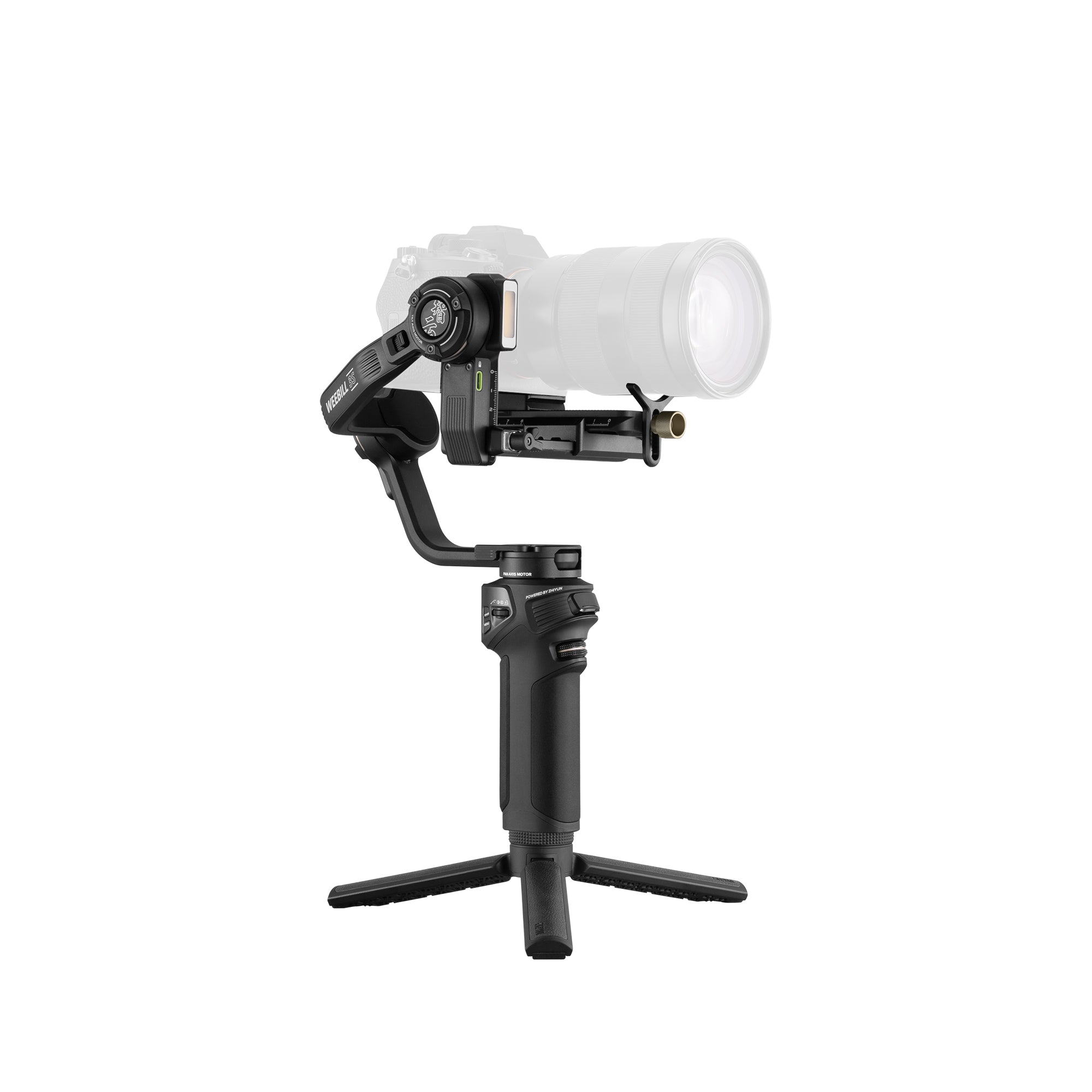
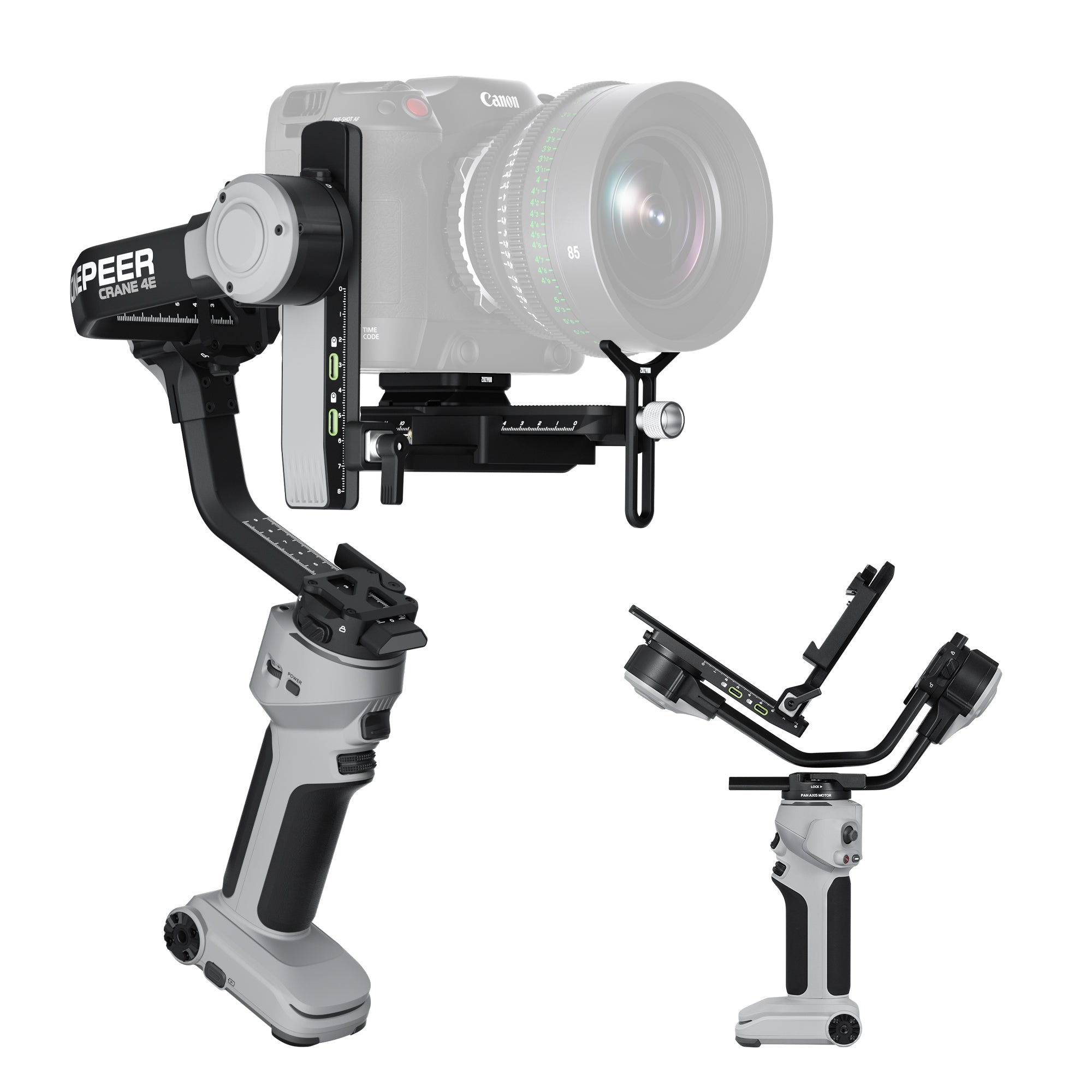
For wedding videographers using DSLR or mirrorless camera setups, the ZHIYUN Crane 4E is a practical stabilizer for long event shoots. It is designed to support professional camera combinations while helping creators maintain smooth movement across different wedding scenes. From ceremony coverage to reception entrances, a reliable gimbal allows the videographer to move with the couple while keeping the frame steady.

During the ceremony, the gimbal can be used for slow entrance tracking, controlled side movements, and subtle push-ins during emotional moments. For example, when the bride walks down the aisle, a smooth backward movement can create a cinematic sense of anticipation. During the vows, a slight forward move can draw the viewer into the couple’s expressions without feeling intrusive.
At the reception, the shooting style becomes more dynamic. The couple may enter the hall quickly, guests may stand and cheer, and the videographer may need to move between tables. A stable gimbal setup helps keep these energetic scenes visually clean. It is especially useful for following the couple during the first dance, capturing guest reactions, and creating transition shots between key moments.
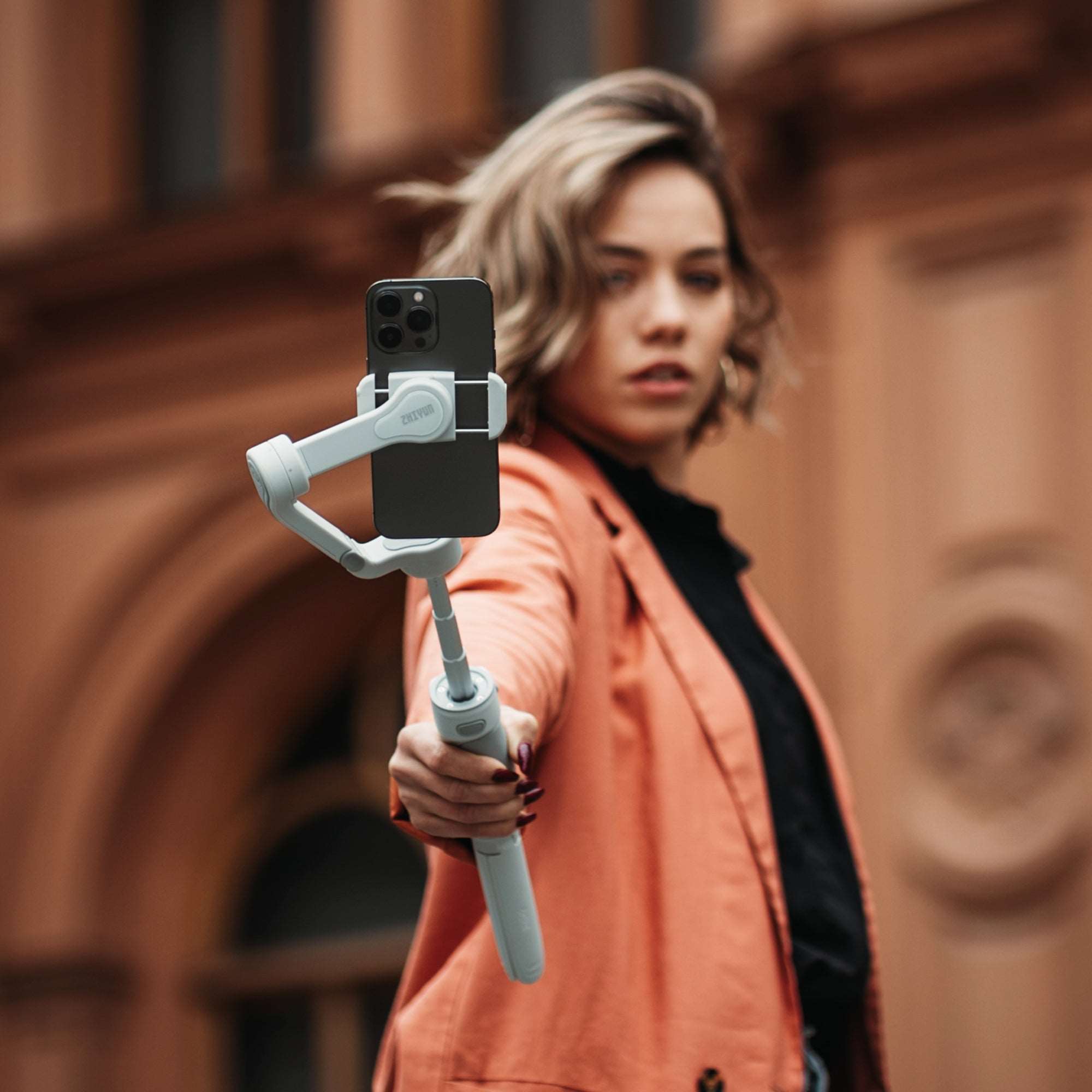
Another useful point for modern wedding creators is vertical content. Many couples now want short-form wedding highlights for social media platforms. A stabilizer that supports efficient horizontal and vertical shooting can help videographers create both full wedding films and mobile-friendly highlight clips with less setup time.
The key is to avoid overusing movement. A wedding film should not feel like the camera is constantly floating. Mix stabilized moving shots with locked-off emotional close-ups, detail shots, and reaction shots. This balance makes the final edit feel more natural and cinematic.
Smart Mobile Lighting Solutions for Dimly Lit Banquet Halls
Lighting is one of the biggest problems in wedding reception filming. Banquet halls are often designed for atmosphere, not video production. Warm chandeliers, low ambient light, colored stage lights, candles, and LED walls can all appear in the same room. This creates mixed color temperatures, uneven exposure, and harsh shadows on faces.
A large lighting setup is usually not practical at a wedding. Videographers need to move quickly and avoid blocking guests, planners, or photographers. This is where compact mobile lighting becomes extremely valuable.
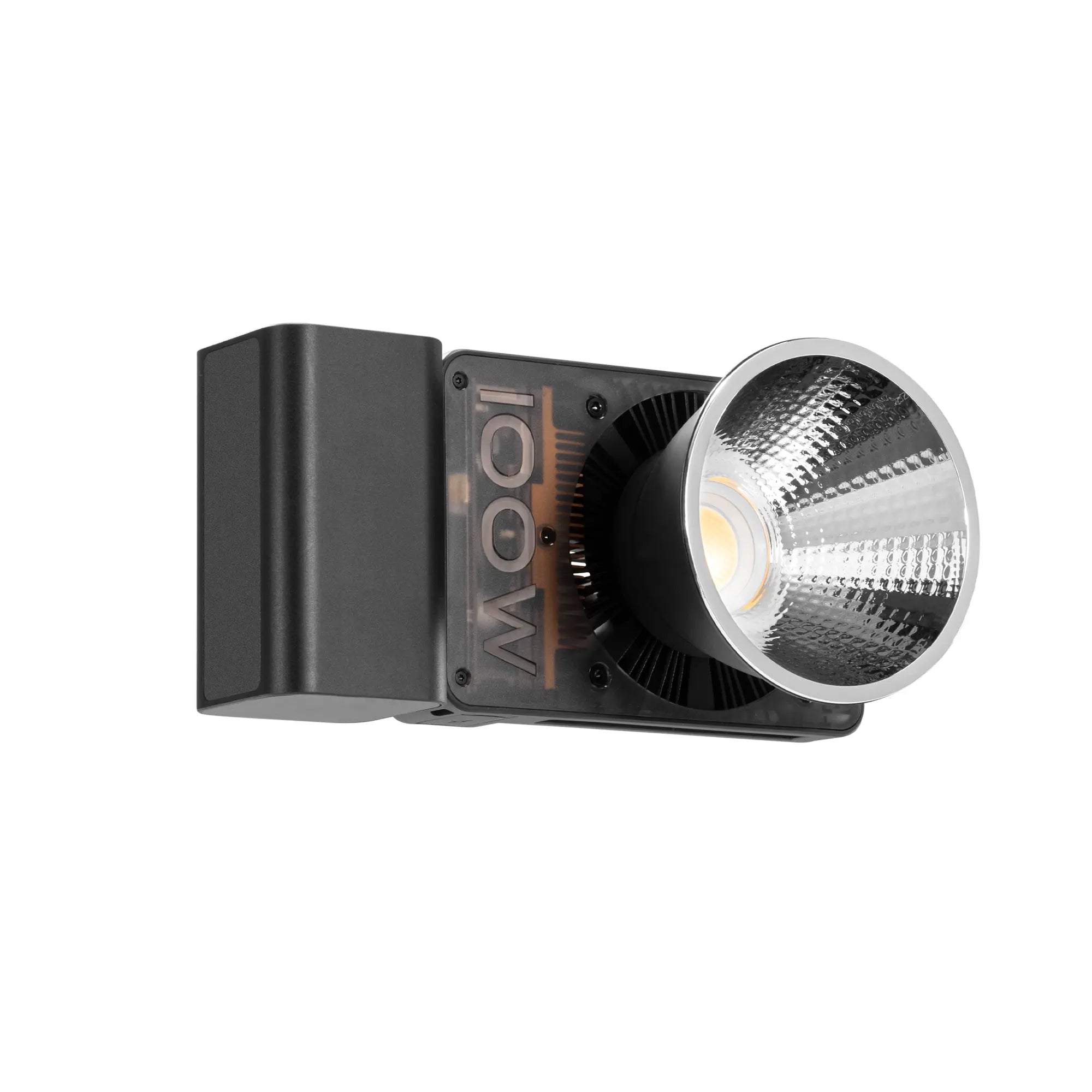
The ZHIYUN FIVERAY M40 is a useful portable light for wedding reception scenes because it is compact, lightweight, and powerful enough for quick fill lighting. For solo wedding videographers, it can be used to softly brighten faces during speeches, add catchlights during couple close-ups, or provide a controlled light source for detail shots such as rings, flowers, invitations, and table settings.

During speeches, position a small light at an angle rather than pointing it directly at the speaker from the camera. This helps avoid flat, harsh lighting and creates a more natural shape on the face. For first dance shots, a compact light can be used subtly to separate the couple from a dark background, especially when the dance floor is lit mainly by colored DJ lights.
Portable lights are also useful for preparation scenes. In hotel rooms or bridal suites, window light may be beautiful but inconsistent. A small fill light can help balance shadows on the face, especially during makeup, dress details, or emotional family moments. The goal is not to overpower the existing atmosphere, but to support it.
When working with wedding lighting, always protect the mood of the venue. Overly bright lighting can make the scene feel artificial and disturb guests. Use just enough light to keep skin tones clear, facial expressions visible, and important details readable. A good wedding light should feel invisible in the final video.
Run-and-Gun Techniques to Keep Your Setup Lightweight
Wedding videographers often need to move for hours with limited rest. A heavy setup may look professional at the beginning of the day, but it can slow you down when the schedule becomes intense. The best wedding gear kit is not always the biggest one. It is the kit that allows you to stay fast, stable, and consistent.
For solo shooters, a lightweight run-and-gun setup usually includes one main camera, one stabilizer, one compact light, extra batteries, audio tools, and a small set of lenses. Instead of carrying too many accessories, focus on tools that solve real wedding problems: unstable movement, low light, fast transitions, and long shooting hours.
Lens choice also matters. A wide-angle lens is useful for venue establishing shots, dance floor movement, and room atmosphere. A standard zoom works well for general coverage. A longer lens helps capture emotional close-ups during the ceremony without getting too close to the couple. The goal is to reduce lens changes while still covering a full range of moments.
For movement, plan your route before key scenes happen. During the ceremony entrance, know where you will start and where you will stop. During the first dance, avoid walking backward blindly through guests or décor. During the reception, look for clean paths between tables. Good movement is not only about the gimbal; it also depends on how well the operator reads the space.
Audio should not be ignored. Beautiful wedding visuals need clean sound, especially for vows and speeches. Use wireless microphones, backup recorders, or direct audio feeds when possible. Even if the final film is music-driven, clear voice recordings make the emotional moments more powerful.
Battery and storage management are also part of run-and-gun discipline. Label your batteries, rotate memory cards carefully, and back up footage as soon as possible. Wedding work is high-pressure because every moment is irreplaceable. A simple, repeatable workflow helps reduce mistakes.
Pro Checklist: The Minimalist Gear Kit for Solo Wedding Videographers
A minimalist wedding video kit should be compact enough to move quickly, but complete enough to handle different lighting and shooting conditions. The goal is not to carry every tool you own. The goal is to carry the right tools for the most common wedding problems.
A practical solo wedding videographer kit may include:
- Main camera body for primary footage
- Backup camera body for safety and secondary angles
- Wide-angle lens for venue shots, entrances, and dance floor movement
- Standard zoom lens for flexible ceremony and reception coverage
- Telephoto lens for emotional close-ups from a distance
- ZHIYUN Crane 4E for smooth cinematic movement
- ZHIYUN FIVERAY M40 for compact fill lighting in dark venues
- Wireless microphones for vows and speeches
- On-camera or external audio recorder as backup
- Extra batteries and fast chargers
- Multiple memory cards with a clear card management system
- Small tripod or monopod for ceremony and speech coverage
- Cleaning cloth, tape, clamps, and basic emergency accessories
This kind of setup keeps the videographer mobile while still covering the essential needs of a full wedding day. The ZHIYUN Crane 4E helps maintain stable movement from the ceremony to the reception, while the ZHIYUN FIVERAY M40 provides flexible lighting support when the venue becomes too dark or visually inconsistent.
For solo shooters, the best gear is the gear that helps you stay focused on moments rather than technical problems. A wedding day is full of emotion, but it is also full of pressure. When your stabilization, lighting, audio, and workflow are reliable, you can spend more energy watching people, anticipating reactions, and capturing the story.
In the end, flawless wedding videography is not about making every shot look overly staged. It is about preserving real emotions with visual clarity and cinematic control. By preparing for unpredictable lighting, using smooth camera movement, and keeping a lightweight mobile setup, wedding videographers can create films that feel elegant, emotional, and timeless.