










Food Photography Lighting Guide: Professional Techniques to Make Dishes Look Irresistible
Food photography is a specialized discipline that blends technical precision with appetizing artistry, serving advertising campaigns, social media feeds, cookbooks, restaurant menus, and e-commerce. The core objective is to evoke hunger and desire by rendering food fresh, textured, vibrant, and mouthwatering—often more enticing than in real life.
Lighting is the single most influential factor in achieving this. It controls how textures pop, colors render accurately, highlights gleam on sauces, and steam or condensation appears natural and dynamic. Poor lighting flattens volume, dulls hues, and makes even gourmet dishes look unappealing. This guide explores professional lighting principles, optimal angles, modifiers, artificial vs. natural approaches, mood creation through color, and video-specific techniques to deliver commercial-grade results.
Why Lighting is Paramount in Food Photography
Food subjects feature diverse surfaces: matte (bread crusts), glossy (sauces, oils), translucent (juices, gels), reflective (glassware, cutlery), and dynamic (steam, melting cheese). Light interacts uniquely with each
Texture emphasis — Side or angled light creates micro-shadows that reveal crispiness, flakiness, or grain.
Specular highlights — Controlled reflections add wetness, shine, and freshness to drizzles, glazes, and beverages.
Color fidelity — High-CRI sources (CRI ≥95) preserve true reds of tomatoes, greens of herbs, and browns of baked goods without color casts.
Mood & freshness cues — Warm light evokes comfort (baked items, grilled meats); cool light suggests crispness (seafood, salads); subtle steam capture requires soft, even illumination.
Harsh or mismatched lighting creates unflattering hotspots, deep shadows that hide details, or flat, lifeless renders.
Core Lighting Angles & Their Professional Applications
Professional food photographers rely on three primary directions, often combined:
Side Lighting (Most Versatile & Common) Light positioned 45–90° to the side of the dish (often 30–45° from camera axis). Creates gentle, defining shadows that sculpt texture—crispy edges on fried foods, flaky layers in pastries, fibrous strands in pulled pork. Ideal for: editorial, cookbook, restaurant hero shots. Pro tip: Angle slightly forward (side-front) for natural “window” feel; use at 75° for dramatic yet appetizing “side-back” (diagonal) light that adds depth without harshness.
Backlighting / Rim Lighting Light placed behind the subject (90–120° from camera), often slightly above. Produces glowing edges, translucency in liquids (beer foam, citrus slices, soups), sparkling highlights on droplets, and separation from background. Ideal for: drinks, cocktails, juicy fruits/vegetables, melting ice cream, or steam-heavy hot dishes. Caution: Use fill or reflector to avoid underexposed fronts; combine with side light for balanced “side-back” setups.
Top Lighting (Overhead / Flat-Lay Friendly) Light directly above or slightly angled (0–30° from vertical). Provides even, shadow-minimizing illumination for flat compositions. Ideal for: pizzas, charcuterie boards, salads, overhead flat-lays, or overhead video prep shots. Drawback: Can appear flat unless combined with subtle side fill or negative space.
Natural Light vs. Continuous Artificial Lighting
- Natural Light — Prized for its organic softness and free availability. Best from large north- or east-facing windows on overcast days (diffused, even ~5500K light). Techniques: Position dish perpendicular to window (side light); use sheer curtains or diffusion fabric; add white/silver reflectors opposite to fill shadows; move subject slightly back from window to soften fall-off. Limitation: Inconsistent intensity/color throughout the day; not viable in low-light restaurants or evenings.
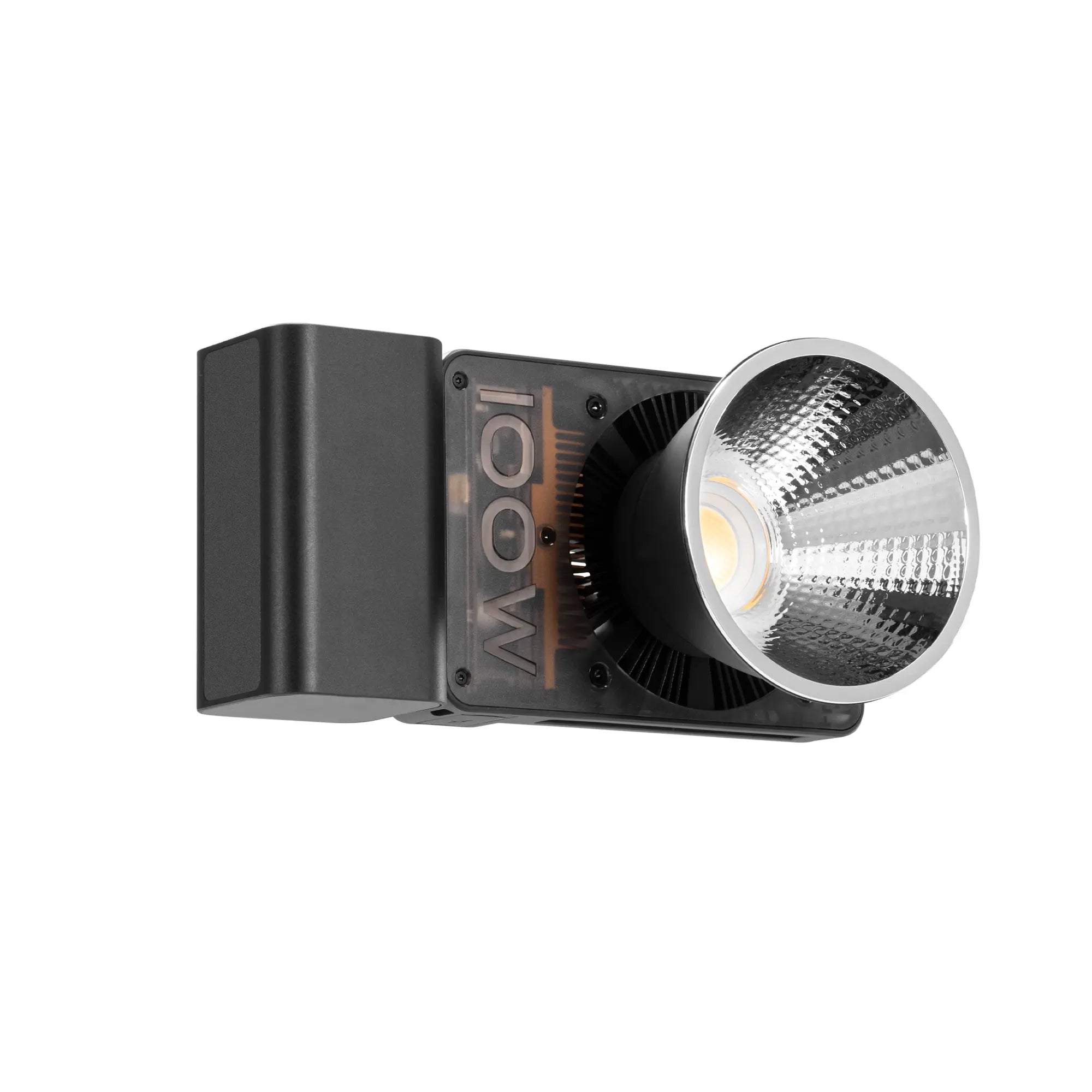
- Continuous LED Lighting — Offers total control, repeatability, and what-you-see-is-what-you-get preview. Essential for: commercial shoots, video, or artificial-light-only environments. Recommended: High-CRI, bi-color or RGB LEDs for precise CCT (2700K–6500K+) matching. The Zhiyun Molus M20C—a compact, pocket-sized RGB LED (20W output, 2500K–10,000K CCT, CRI ≥97, TLCI ≥98, full HSI/RGB modes, app control)—excels in small setups. Its portability suits tabletops, kitchens, or on-location restaurant shoots, allowing quick adjustments for mood, color temperature, and intensity without bulky gear.
Creating Mood & Atmosphere with Color & Gels
Color temperature and gels transform perception:
- Warm tones (2700K–3500K) — Enhance golden-brown bakes, caramelization, coffee, grilled/charred meats, evoking comfort and indulgence.
- Neutral/daylight (5000K–5500K) — Accurate for fresh salads, seafood, bright desserts; prevents overly yellow casts on whites.
- Cool tones (6500K+) — Convey freshness in beverages, ice creams, or oceanic dishes.
- RGB accents — Subtle gels (e.g., soft blue rim on cocktails, warm fill on desserts) add creative pop for branded/social content.
The Molus M20C’s full RGB capabilities make on-the-fly mood shifts effortless.
Food Videography: Lighting for Motion & Dynamic Shots
Recipe videos, Reels, and ads demand fluid camera movement alongside appetizing light.
Common sequences:
- Overhead prep/ingredient reveals
- Close-up macro pours, slices, or steam rises
- Slow 360° pans or tracking across plated dishes
Lighting tips:
- Use continuous sources to avoid flicker (critical for video).
- Maintain consistent key/fill ratios across moves.
- Add subtle rim/back for sparkle on moving liquids.
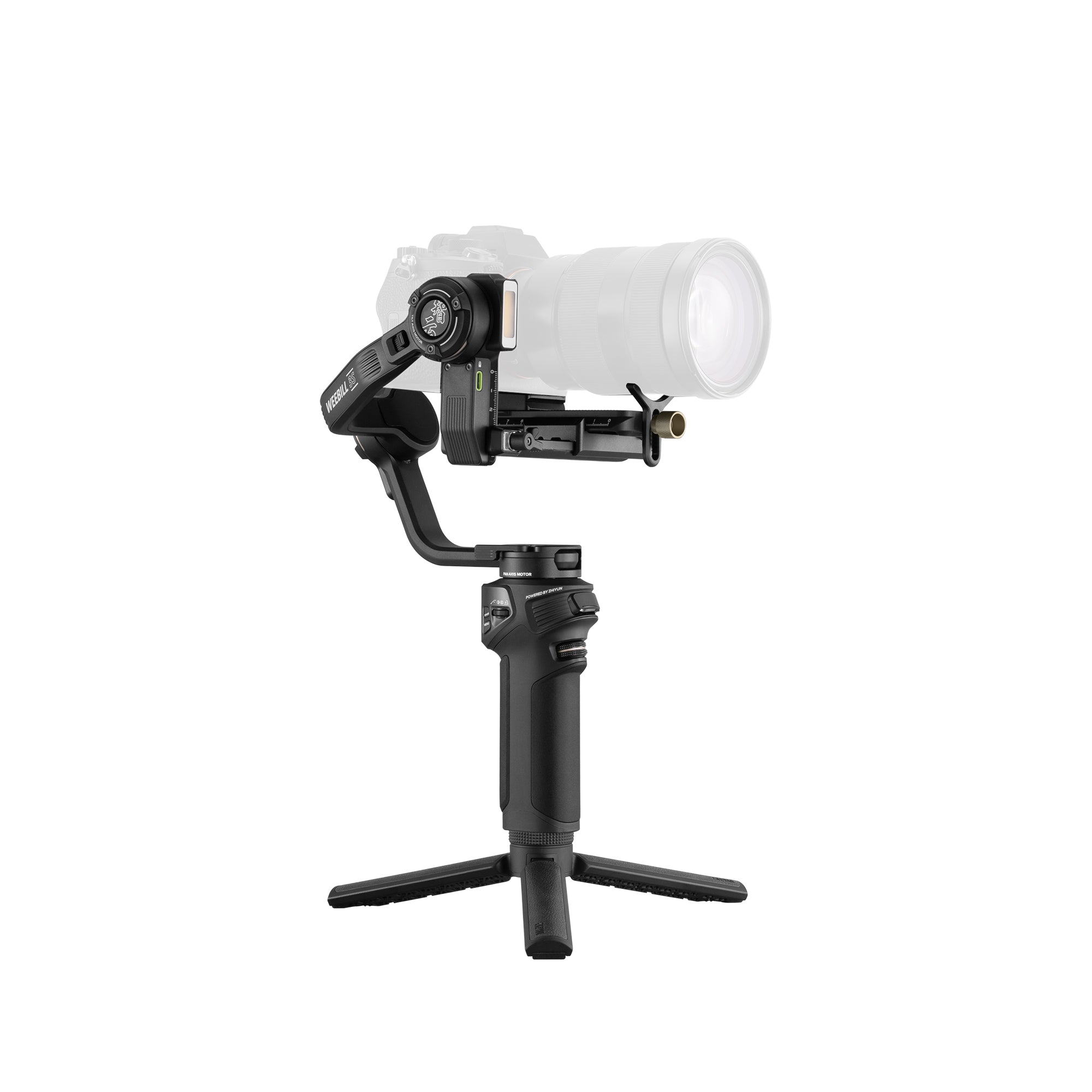
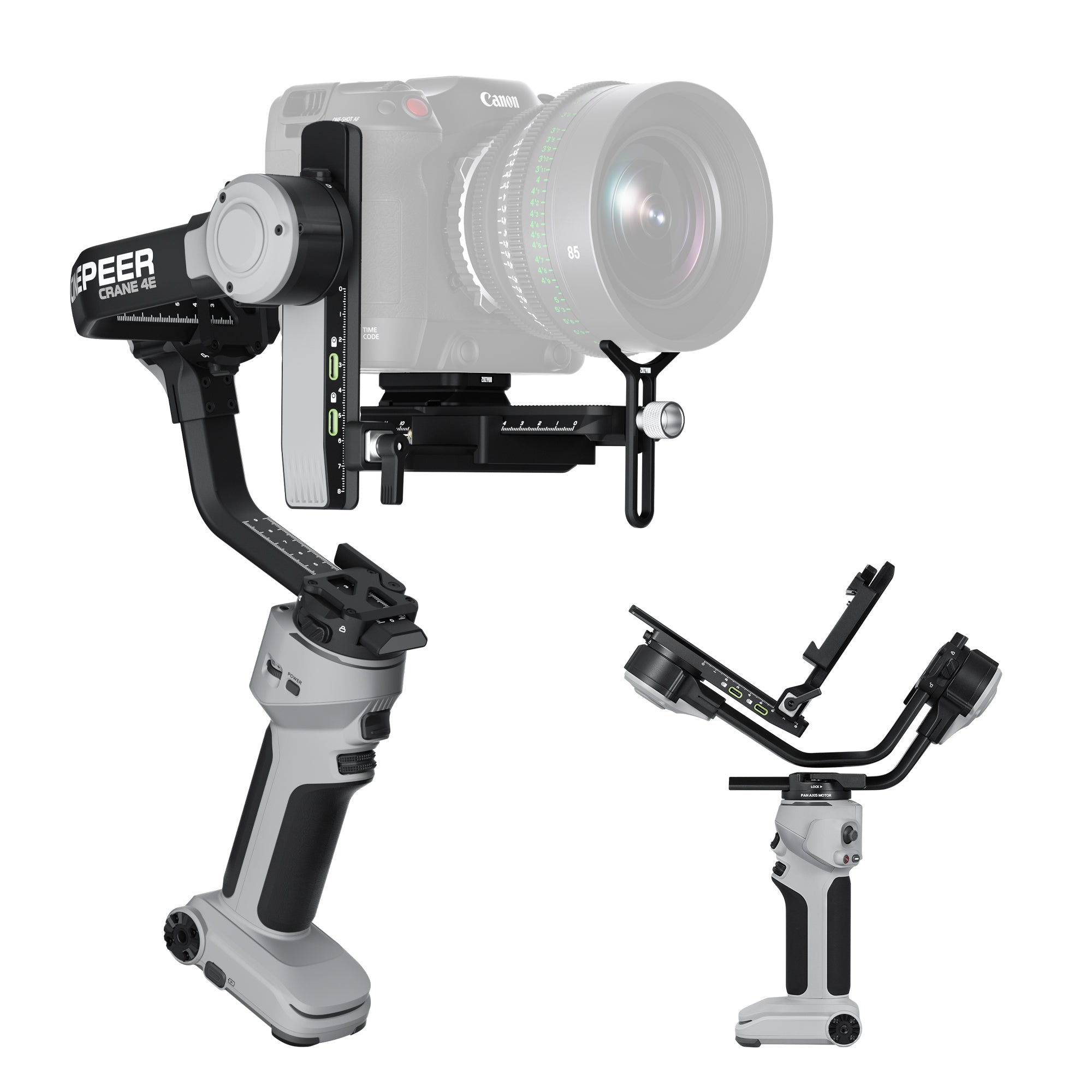
Zhiyun Crane series gimbals provide three-axis stabilization for smooth overhead-to-close transitions, walking reveals, or handheld close-ups—ensuring professional polish without shake.
Building a Compact, Professional Tabletop Studio Setup
Even in small spaces (home kitchens, restaurant corners), high-end results are achievable:
1. Key Light — Zhiyun Molus M20C + softbox/diffuser panel at 45° side or side-back, 5500K, diffused for soft shadows.
2. Fill Light — White foam board, silver reflector, or second low-power Molus M20C opposite key (1/2–1/4 intensity) to lift shadows without flattening.
3. Rim/Accent — Molus M20C behind dish (cool/warm RGB) for glow on edges or background separation.
4. Modifiers — Diffusion fabrics, grids (control spill), black flags (negative fill for contrast).
This portable, repositionable setup delivers editorial softness or moody drama on demand.
Common Pitfalls to Avoid
- Direct frontal lighting — Flattens textures, creates specular hotspots.
- Overly harsh undiffused sources — Produces deep shadows, unnatural reflections.
- Ignoring steam/condensation timing — Shoot immediately; use back/side light to catch wisps.
- Color temperature mismatches — Always white-balance to key light; use high-CRI sources.
- No fill — Results in blocked-up shadows hiding details.
Conclusion
Food photography marries technical mastery with sensory storytelling. By commanding lighting angles, mastering diffusion and reflection, leveraging precise color control, and ensuring rock-solid stability for video, you can transform ordinary dishes into irresistible visuals that drive appetite and engagement.
For creators building efficient, versatile kits, the Zhiyun Molus M20C (ultra-compact RGB powerhouse with exceptional color accuracy) paired with a Crane series gimbal delivers professional flexibility—ideal for everything from quick social posts to polished commercial campaigns—in any environment.