










Run-and-Gun Street Videography Tactics for Dynamic Urban Vlogs
著者: Marketing Yinqingli に Jul 09, 2026Street videography is one of the most exciting ways to tell real-world stories. A city gives creators endless movement, texture, sound, architecture, people, reflections, traffic, signs, shadows, and unexpected moments. Unlike a studio or planned location shoot, the street is alive. Every corner can become a scene, and every few seconds can bring a new visual opportunity.
But this freedom also creates pressure. Street and urban vlog creators need to move quickly, stay low-profile, adapt to changing light, and capture stable footage without carrying a heavy production setup. A crowded sidewalk, subway entrance, night market, rooftop, alleyway, or neon-lit street can look cinematic, but only if the filmmaker can react fast enough.
Run-and-gun street videography is about staying mobile without losing visual control. With compact gear from ZHIYUN, urban creators can build a lightweight shooting setup that supports smooth camera movement, fast framing, and flexible lighting for both daytime vlogs and night street scenes.
The Art of Capturing Candid Moments in Crowded City Streets
Great street videography starts with observation. Before you raise the camera, watch how the city moves. Look for repeating patterns, interesting gestures, reflections, traffic flow, street performers, food vendors, people crossing intersections, and light falling between buildings. Urban stories often appear in small details rather than obvious landmarks.
For vlogs, candid moments make the video feel more authentic. A creator walking through a street market, ordering coffee from a local shop, talking beside a busy road, or reacting to a city view can feel more engaging than a perfectly staged shot. The goal is to let the city become part of the story.
However, candid shooting does not mean careless shooting. Plan your visual rhythm. Start with an establishing shot of the street or neighborhood. Add medium shots of the creator moving through the space. Capture close-up details such as hands, signs, food, shoes, architecture, reflections, and traffic lights. These small shots make the final edit feel richer and help connect scenes smoothly.
When filming in crowded areas, avoid blocking walkways or making people uncomfortable. Keep your setup compact and your movements controlled. If you are filming people directly, respect local rules and personal boundaries. In many urban vlog situations, the best approach is to focus on the creator, the environment, and the atmosphere rather than pointing the camera closely at strangers.
Timing is also important. Morning streets feel different from evening streets. Rush hour gives energy and density. Midday creates strong contrast and hard shadows. Night brings neon, reflections, and atmosphere. Choose the time of day based on the mood of the vlog.
Street videography rewards patience. Even in run-and-gun shooting, the best moments often come when you slow down enough to notice the rhythm of the city.
Staying Low-Profile with Compact Stabilization Systems
A large camera rig can attract attention on the street. It may make the creator feel less natural, distract people nearby, or slow down the shooting process. For urban vlogs, a compact stabilization system is often more practical than a heavy cinematic setup.
Smooth camera movement is especially important in street videography because the operator is usually walking, turning, stepping off curbs, moving through crowds, or filming while talking. Handheld footage may feel energetic, but too much shake can make the vlog difficult to watch.
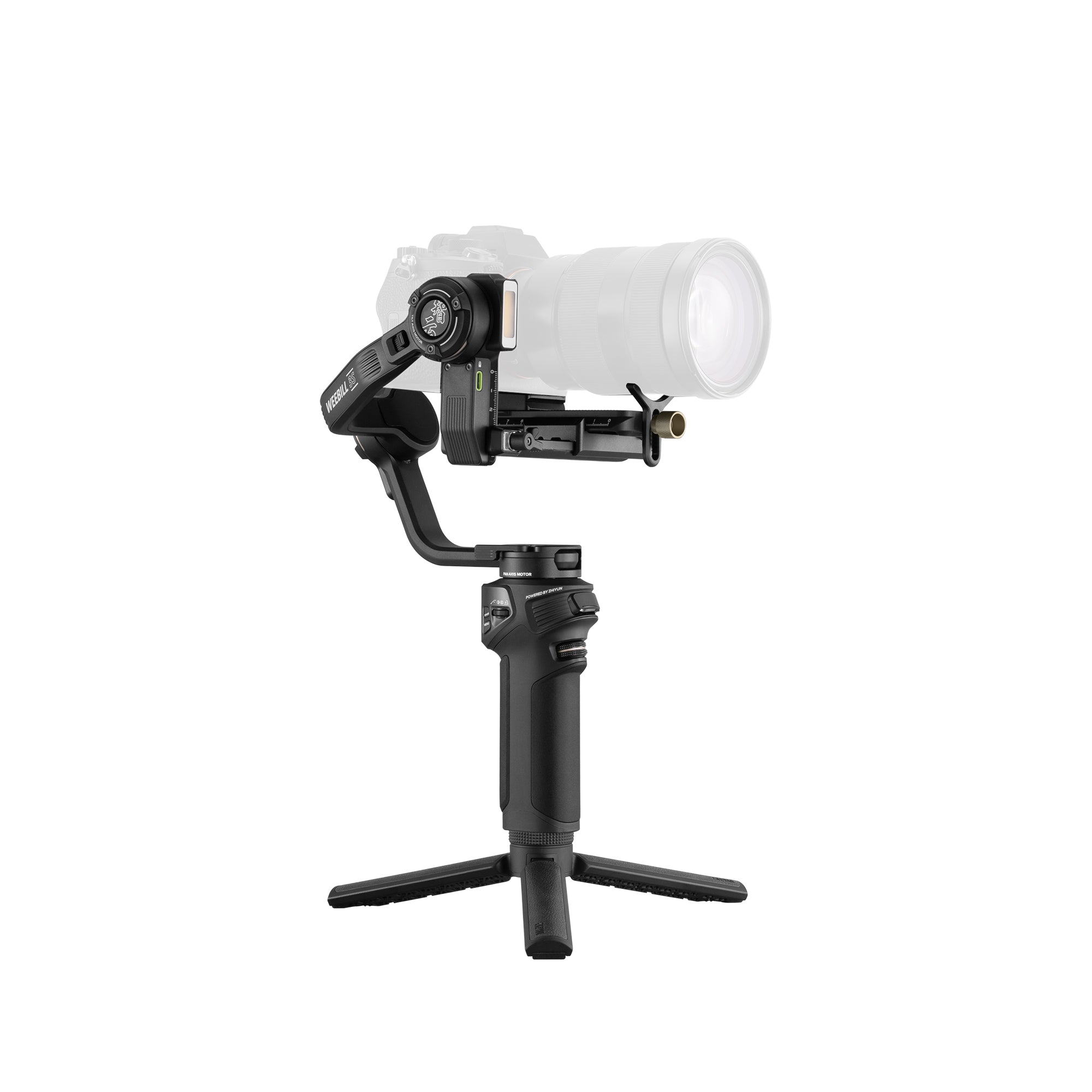
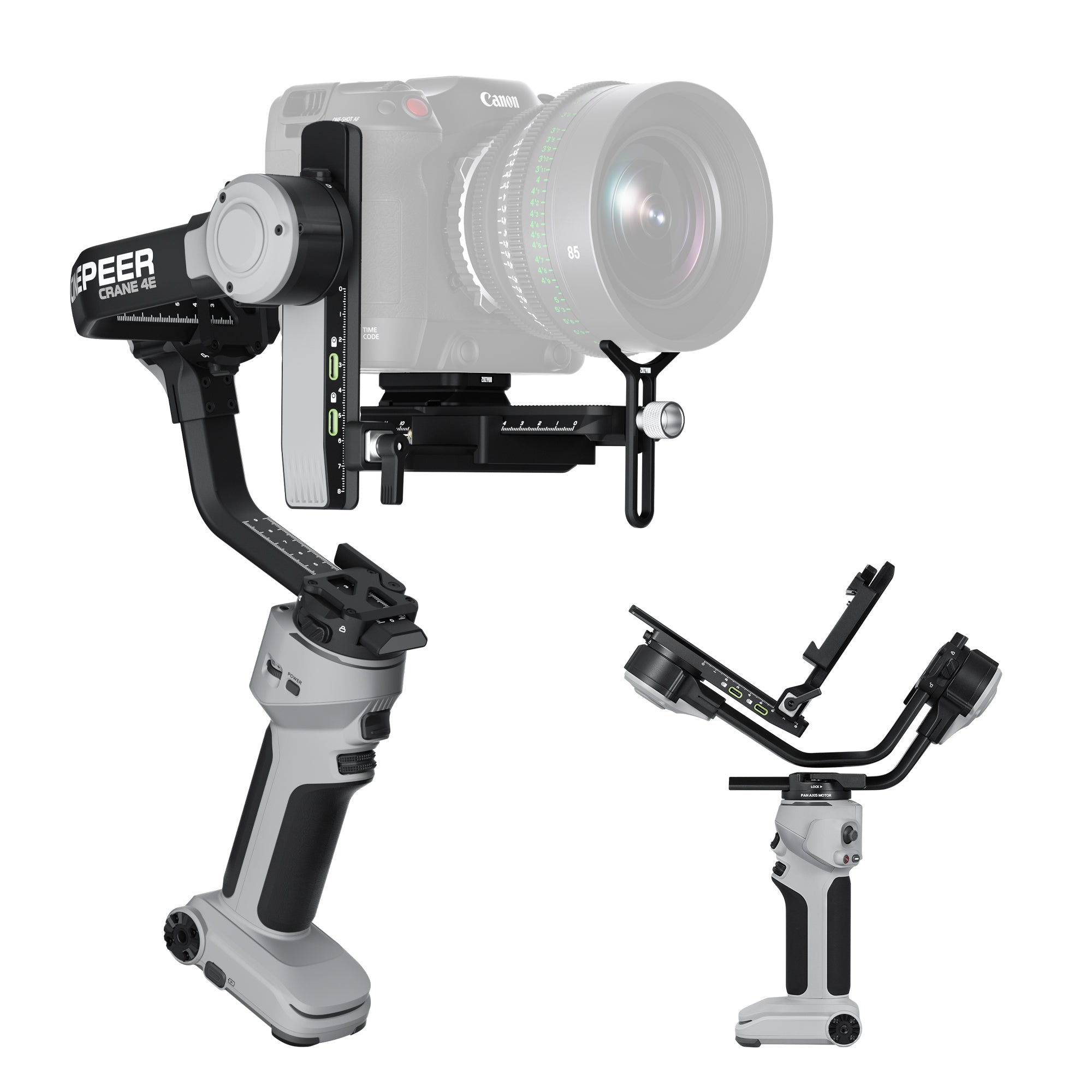
The ZHIYUN WEEBILL 3S is a useful gimbal for street and urban creators because it supports mainstream DSLR and mirrorless camera setups while keeping the rig suitable for mobile shooting. For city vlogs, this means creators can use higher-quality camera systems without giving up the flexibility needed for fast street work.

A compact gimbal helps create several useful street shots. A forward walking shot can pull viewers into an alley, market, or subway entrance. A side tracking shot can follow the creator along a wall, storefront, or street crossing. A low-angle shot can make architecture feel taller and more dramatic. A slow push-in can turn a simple talking moment into a more polished vlog segment.
The key is to keep movement simple. Many beginners overuse gimbal motion, making every shot float or spin. In street videos, the city already has energy. Your camera movement should support that energy, not compete with it. Use short, clean movements that help the viewer understand the scene.
For solo creators, rehearse the route before recording. Check where people are walking, where the pavement changes, where cars or bikes may pass, and where the light looks best. If you are filming yourself, choose a stable position first, then move with purpose. If you are filming another creator, keep enough distance to frame them with the surrounding city.
Low-profile shooting also means being efficient. Balance the camera before leaving, keep the lens choice simple, and avoid unnecessary accessories. The faster you can start shooting, the more likely you are to capture real urban moments before they disappear.
Adapting to Fast-Changing Urban Light from Alleyways to Neon Signs
Urban lighting changes constantly. One street may be filled with harsh midday sun, while the next alley may be dark and cool. A subway entrance may mix fluorescent light with outdoor daylight. A night market may combine neon signs, LED screens, warm food stall lights, and car headlights.
This variety is what makes city footage visually exciting, but it also creates exposure and color challenges. If you rely entirely on automatic settings, the camera may shift exposure or white balance during a shot. This can make the footage look inconsistent in the final edit.
For daytime street filming, watch the direction of the sun. Buildings can create dramatic shadows, but they can also make the creator’s face too dark. When possible, place the creator near the edge of open shade. This gives softer light while keeping the background bright and alive.
At night, practical lights become part of the visual story. Neon signs, shop windows, street lamps, traffic lights, and LED billboards can all help shape the frame. Instead of trying to remove mixed lighting, use it intentionally. A warm shop window can light one side of the face, while a cool neon sign creates contrast in the background.
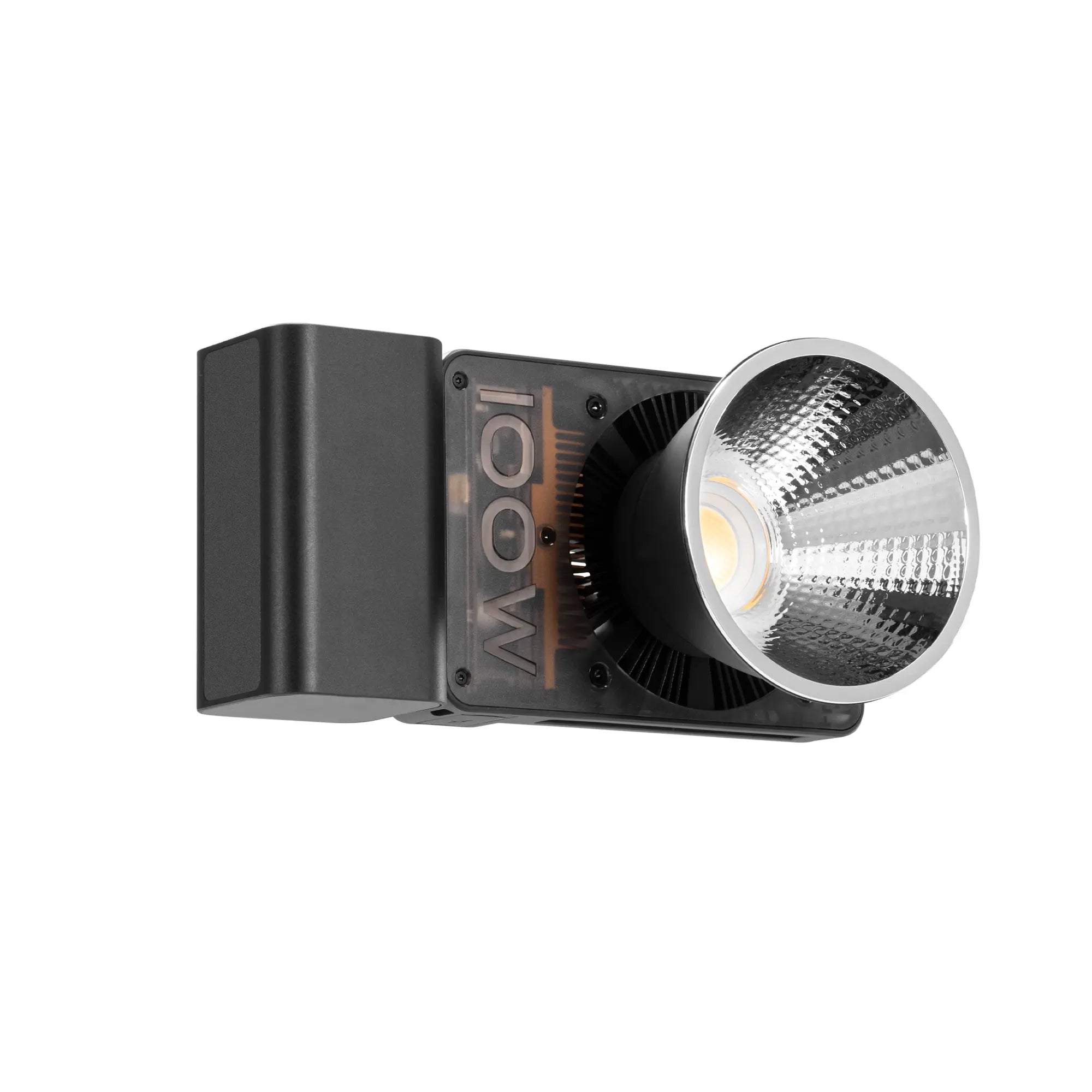
The ZHIYUN FIVERAY M40 SE is practical for urban vloggers because it offers strong 40W output in a compact 250g body. Its 2700K–8500K color temperature range helps creators match warm street lights, cooler evening scenes, or mixed urban environments. With high color rendering performance, it can help keep skin tones more natural when filming talking-head clips, street portraits, night vlogs, or product shots in the city.

For street use, keep lighting subtle. A small portable light should not make the scene look artificial or disturb people nearby. Use it as gentle fill for the face, a quick light for food or product details, or an accent to separate the creator from a dark background. When filming in neon areas, reduce the light power so the city’s existing atmosphere remains visible.
If you are shooting in a narrow alley, bounce the light from a wall for a softer look. If you are filming under a sign, use the M40 SE to correct shadows without overpowering the sign’s color. If you are recording a short vlog segment at night, place the light slightly off to the side rather than directly on top of the camera to avoid flat lighting.
Good urban lighting is not about making every scene bright. It is about keeping the subject visible while preserving the mood of the city.
Using City Architecture to Frame Compelling Human Stories
Architecture gives urban vlogs structure. Buildings, bridges, windows, staircases, tunnels, street signs, railings, and doorways can all become natural frames. Instead of placing the creator randomly in the middle of a street, use the city’s lines to guide the viewer’s eye.
Leading lines are one of the easiest tools. Roads, crosswalks, subway stairs, fences, and building edges can point toward the subject. This makes a simple walking shot feel more designed. Symmetry can also be powerful, especially in train stations, corridors, bridges, or modern city plazas.
Foreground elements add depth. Film through windows, plants, fences, café doors, passing pedestrians, or reflections to make the frame feel layered. A static shot becomes more cinematic when the city moves in front of the camera. A walking shot feels more immersive when foreground objects pass naturally across the frame.
Reflections are another major advantage of city shooting. Glass walls, puddles, car windows, mirrors, and polished surfaces can create visual interest. At night, reflections multiply neon lights and make the scene feel more cinematic. When using reflections, adjust your angle carefully so the camera does not appear in the shot unless that is part of the style.
For human stories, do not let the architecture overpower the creator. The city should support the subject, not replace them. Use wide shots to show scale, then move closer for emotion. A creator standing under a huge building can suggest ambition, loneliness, excitement, or discovery depending on the mood of the vlog.
In street storytelling, location should always mean something. A food street, old neighborhood, subway platform, rooftop, riverside walkway, or creative district can tell viewers where the story is happening and why it matters. Strong urban vlog content makes the city feel like a character, not just a background.
Essential Discrete Gear for Solo Filmmakers on the Move
A solo street filmmaker needs a kit that is compact, reliable, and quick to operate. The best gear is not the most complicated gear. It is the gear that helps you keep moving while still capturing stable, well-lit, usable footage.
A practical urban vlogging kit may include:
A mirrorless camera or compact DSLR for high-quality video
One wide-angle lens for walking shots and city scenes
One compact standard lens for portraits and details
The ZHIYUN WEEBILL 3S for smooth movement through streets, alleys, and crowded spaces
The ZHIYUN FIVERAY M40 SE for portable face fill, night vlog lighting, and urban detail shots
A small microphone with wind protection
Extra batteries and memory cards
A compact backpack or sling bag
A microfiber cloth for lens cleaning
A phone for navigation, shot planning, and quick behind-the-scenes clips
For run-and-gun filming, reduce lens changes as much as possible. A wide-to-standard zoom or one versatile prime lens can be more practical than carrying several lenses. In crowded cities, changing lenses on the sidewalk can slow you down and expose the camera to dust, rain, or accidental bumps.
Audio is also essential for vlogs. Street sound adds atmosphere, but traffic noise and wind can make speech unclear. Use a small wireless microphone or directional mic when recording dialogue. Capture separate ambient sound clips of the street, train station, café, or market to use in editing.
Battery management matters because urban shooting days can be long. Keep the gimbal, camera, microphone, and light charged before leaving. The M40 SE’s PD and pass-through charging support can be helpful for long city sessions when you need to keep shooting without fully stopping the workflow.
The final rule is to stay flexible. A planned location may be too crowded, a street may be blocked, or the best light may appear somewhere unexpected. A compact setup lets you adapt quickly and keep filming.
Run-and-gun street videography is about capturing real movement with enough control to make the final video feel intentional. By combining careful observation, compact stabilization, subtle lighting, architectural framing, and a discrete solo gear kit, creators can turn everyday city moments into dynamic urban stories.
With tools such as the ZHIYUN WEEBILL 3S and ZHIYUN FIVERAY M40 SE, street vloggers and solo filmmakers can stay mobile, shoot smoother footage, and handle changing urban light from daytime alleys to neon night streets. The result is a vlog that feels spontaneous, cinematic, and alive with the rhythm of the city.


