










Travel Filmmaking Setup: Lightweight Gear for Outdoor Video Creators
Travel filmmaking requires constant compromise. You want cinematic images, stable movement, clean audio, and controlled light, but every additional piece of equipment must be carried through airports, streets, mountains, beaches, hotels, and unfamiliar locations.
The most effective travel filmmaking setup is not the smallest possible kit. It is the lightest kit that can reliably capture the story you intend to tell.
A creator filming fast travel vlogs may need a different package from a filmmaker producing tourism campaigns or documentary interviews. The setup should be planned around subjects, locations, transport, and delivery formats.
Pack for the Story, Not Every Possible Situation
Before packing, create a simple production map.
Will the film include interviews?
Will you shoot mostly landscapes or people?
Will you film at night?
Will the content be horizontal, vertical, or both?
Will you walk long distances?
Will electricity be available?
Will you encounter sand, rain, cold, or high humidity?
A travel kit built for city vlogging may include one camera, one compact lens, one gimbal, one light, and one microphone.
A commercial travel film may require a wider lens, portrait lens, filters, larger audio kit, lighting modifiers, and more backup storage.
Avoid packing equipment only because it might be useful. Every item should solve a known production problem.
Choose a Versatile Camera and Lens Combination
Lens changes cost time and expose the camera sensor to dust, moisture, and wind. A versatile standard zoom is often the most practical travel option.
A wide lens is useful for:
· Landscapes
· Architecture
· Hotel rooms
· Walking sequences
· Vlogging
· Establishing shots
A standard or short portrait focal length is useful for:
· Interviews
· Details
· Food
· People
· Compressed landscapes
· Environmental portraits
If carrying two lenses, assign a clear role to each. If carrying only one, choose the focal range that covers most of the planned story.
The camera should also remain comfortable on the stabilizer. A compact body and balanced lens reduce operating fatigue.
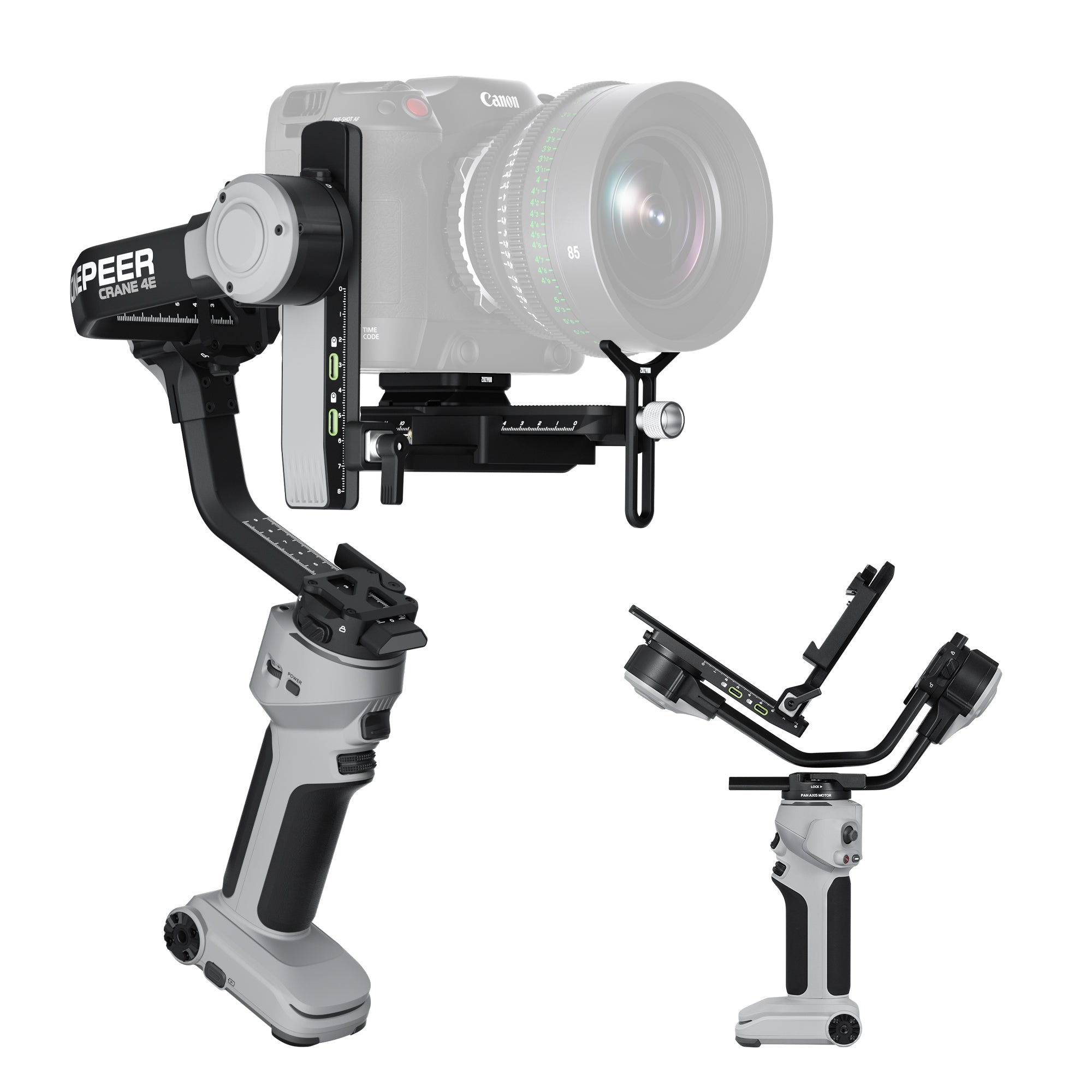
Use a Lightweight Camera Gimbal for Planned Movement
Travel footage often includes walking through markets, following a guide, entering a hotel, moving along a trail, or revealing a viewpoint. These shots benefit from stabilization.
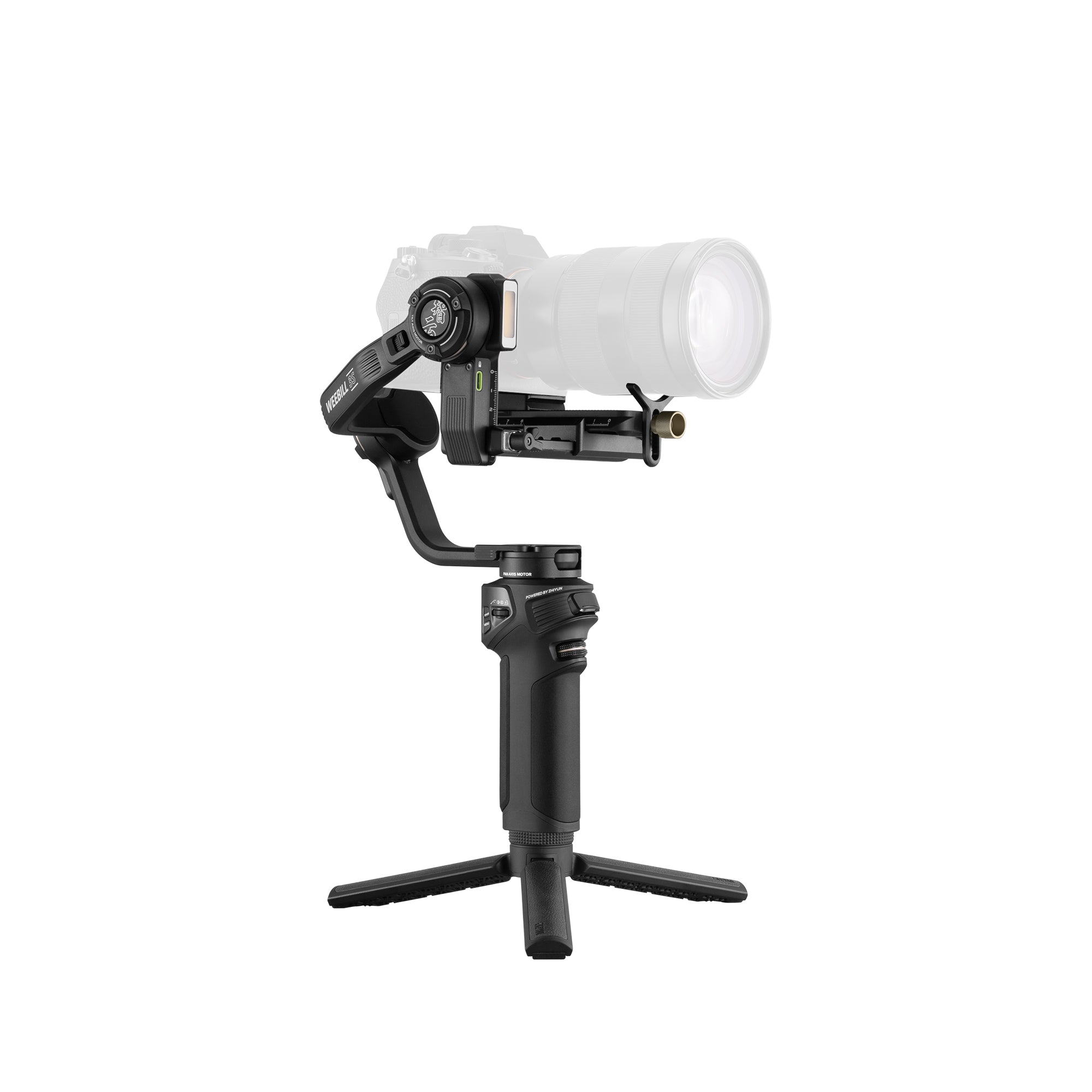
The ZHIYUN Weebill 3E provides a compact lightweight camera gimbal option for mobile filmmakers using mirrorless and lightweight camera packages.
Useful travel gimbal shots include:
· Following a subject through a street
· Side-tracking beside a traveler
· Pushing into a landscape reveal
· Moving through a doorway
· Low-angle walking shots
· Orbiting a person at a viewpoint
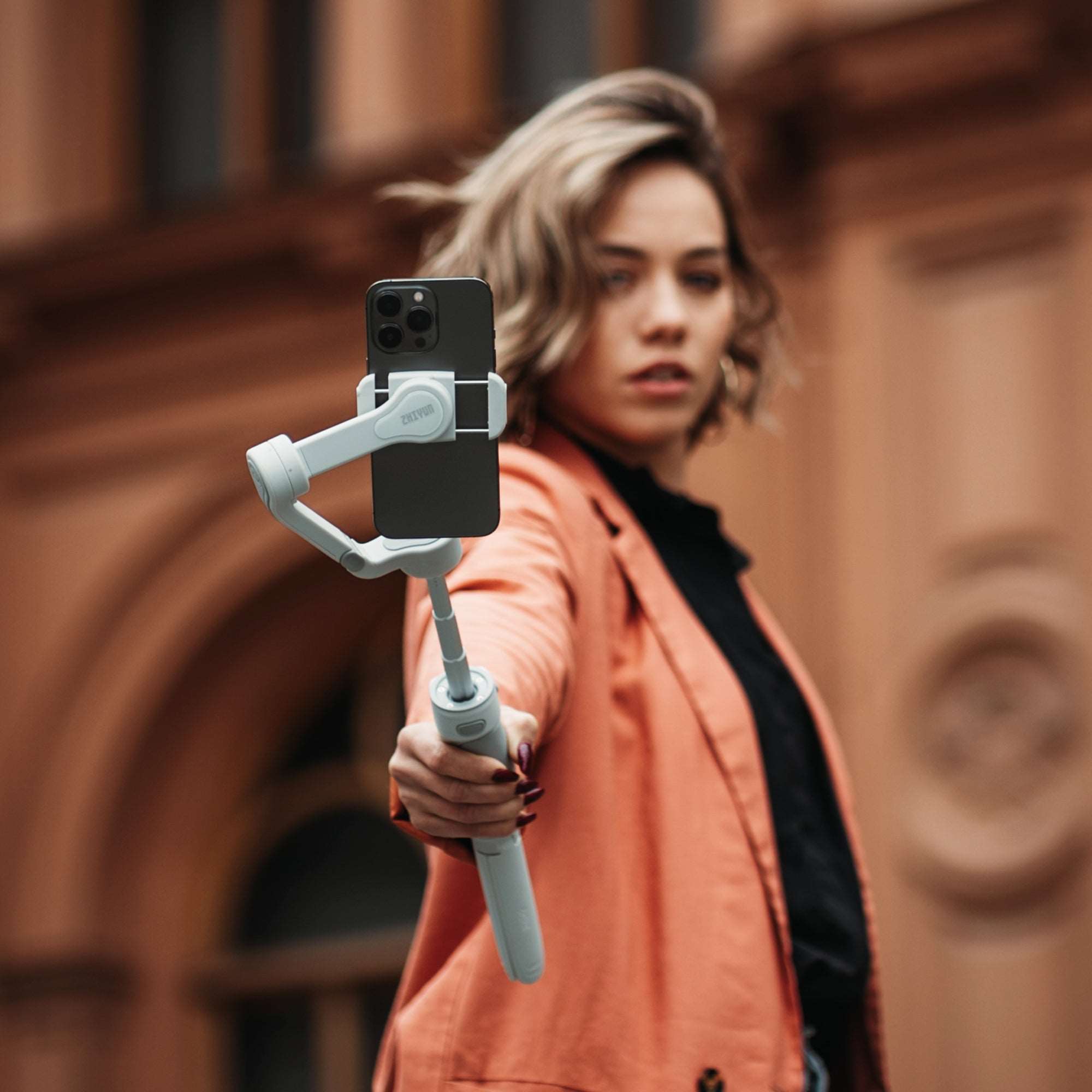
· Smooth vertical clips for social media
Do not leave the camera on the gimbal all day unless the shooting plan requires it. Use a quick-access bag or support system so the rig can be stored safely between shots.
Balance the setup before leaving the hotel or vehicle. Rebalancing on a windy beach or busy street wastes time and increases the risk of dropping equipment.

Carry One Portable Light That Solves Multiple Problems
Natural light cannot always be controlled. Hotel rooms may be dark, restaurants may have mixed lighting, and outdoor interviews may place the face in shadow.
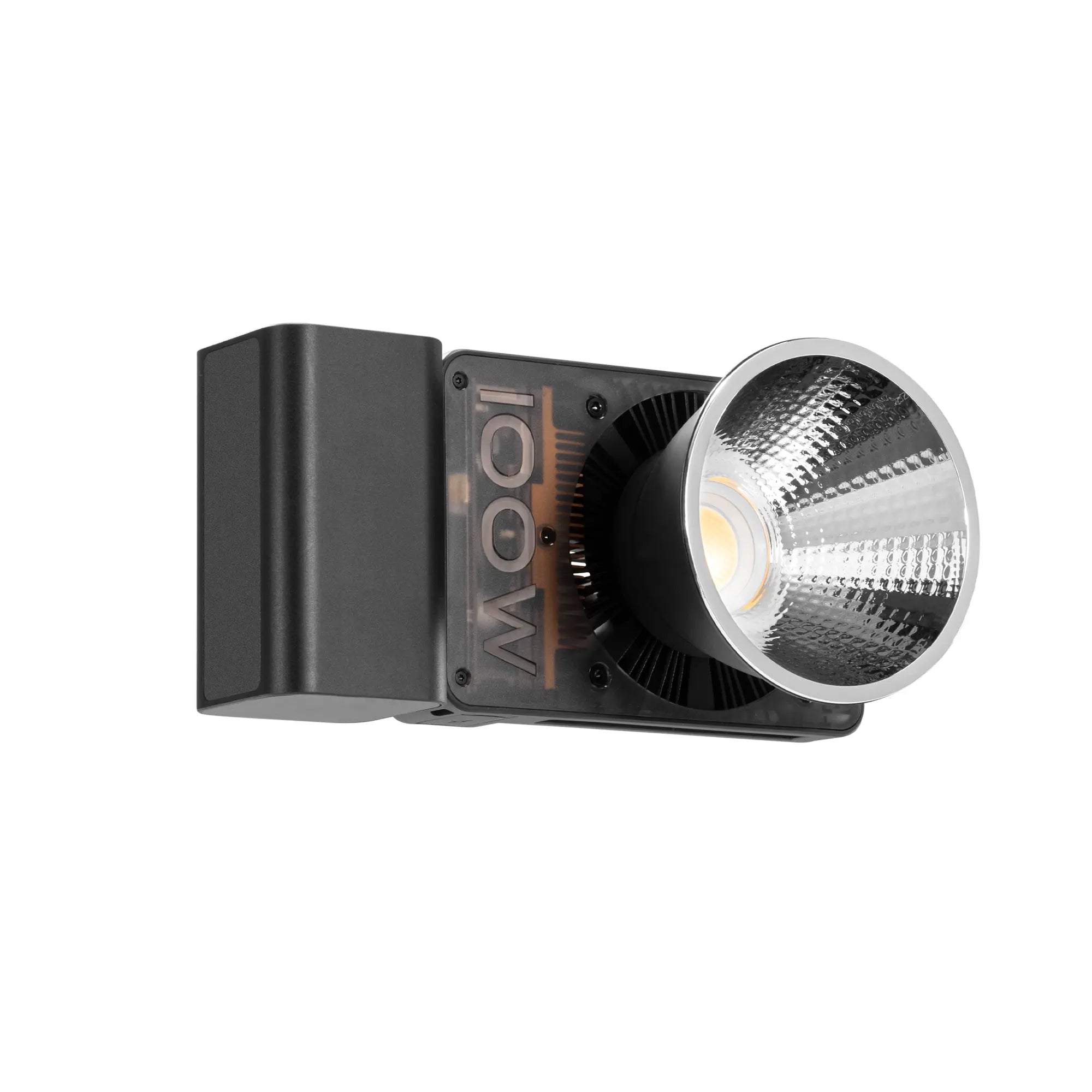
The ZHIYUN MOLUS X100 RGB can serve as a portable key, fill, background light, or creative color source in a travel production.
Use it for:
· Indoor interviews
· Backlit outdoor portraits
· Hotel-room scenes
· Food and product details
· Night street portraits
· Background color
· Emergency location lighting
For outdoor use, keep the setup stable. Large modifiers can catch the wind, so use sandbags, an assistant, or a smaller controlled modifier.
At sunset, use the light as gentle fill rather than overpowering the natural atmosphere. At night, match the light to nearby practical sources or use RGB creatively to complement signs and architecture.

Do Not Neglect Audio, Power and Storage
Travel films often fail because of small operational problems rather than image quality.
A minimal audio kit should include:
· Wireless microphone
· Compact directional microphone
· Wind protection
· Headphones
· Spare cables
A power kit should include:
· Camera batteries
· Gimbal charging cable
· Light power solution
· Phone charger
· Power bank
· International power adapter
A storage kit should include:
· Multiple memory cards
· Card case
· Portable storage
· Laptop or backup device when practical
· Clear folder and file-naming system
Back up important footage every day. Travel locations may not be repeatable, and a lost card can mean losing the entire production.
Protect Equipment from the Environment
Outdoor creators should plan for:
· Rain
· Sand
· Salt
· Dust
· Cold
· Heat
· Condensation
· High winds
Keep a rain cover, microfiber cloth, blower, sealed pouches, and protective bag in the kit. Avoid changing lenses in dusty or windy conditions.
When moving from a cold outdoor environment into a warm building, allow the camera to acclimate before opening bags or changing lenses. This can help reduce condensation risk.
On beaches, never place equipment directly on sand. In high wind, lower stands and reduce modifier size.
A Practical Travel Filmmaking Checklist
A balanced travel kit might include:
· Mirrorless camera
· One versatile zoom lens
· Optional compact second lens
· Weebill 3E
· MOLUS X100 RGB
· ND filter
· Wireless microphone
· Compact windscreen
· Spare batteries
· Power bank
· Memory cards
· Cleaning kit
· Lightweight rain protection
· Compact backpack
This kit can cover landscapes, travel portraits, interviews, walk-throughs, night scenes, and social clips without becoming an oversized production package.
The best travel filmmaking gear is the gear you can carry safely, prepare quickly, and use confidently. A compact system from ZHIYUN helps creators combine smooth camera movement and portable lighting while remaining responsive to changing locations.