










Wedding Photography Equipment: The Essential Gear Checklist
Reliable wedding photography equipment must perform through changing light, fast-moving moments, crowded venues, and long working hours. A practical kit should cover the entire wedding day while providing enough redundancy to handle equipment failure or data problems. This guide explains which cameras, lenses, lights, accessories, and backup tools deserve space in your bag.
What Should Be on a Wedding Photography Must-Have List?

A useful wedding photography must-have list begins with the equipment needed to complete the assignment safely. Specialized creative tools should come only after cameras, lenses, photography lights, power, and storage are covered.
|
Category |
Essential Equipment |
Backup or Support |
Primary Use |
|
Cameras |
Reliable body with strong autofocus |
Second capable body |
Continuous wedding coverage |
|
Lenses |
Fast standard zoom |
Wide-angle, telephoto, or fast prime |
Venues, groups, ceremonies, and portraits |
|
Lighting |
Flash and portable LED |
Spare flash, trigger, or light |
Receptions, details, and portraits |
|
Power |
Batteries and chargers |
Labeled spare batteries |
Full-day operation |
|
Storage |
High-quality memory cards |
Additional cards and backup drives |
File redundancy and protection |
|
Camera support |
Strap, tripod, monopod, or gimbal |
Spare plate or strap |
Comfort, stability, and video |
|
Protection |
Rain cover and cleaning kit |
Dry cloths and sealed bags |
Weather and equipment care |
The final kit should match the venue, timeline, lighting conditions, and services being delivered. A photographer covering still images only will pack differently from a hybrid creator producing both photographs and video.
What Cameras and Lenses Do You Need for Wedding Photography?
The core camera kit should move smoothly from preparation rooms and wide venue views to distant ceremony moments and low-light receptions. Reliability and familiar handling matter more than carrying every available focal length.
Choose a Primary Camera and a Fully Capable Backup
The main camera should provide dependable autofocus, good low-light performance, comfortable controls, and sufficient battery life. Dual memory card slots are valuable because they allow each photograph to be recorded to two cards at once.
A backup body should be capable of completing the wedding rather than serving as a temporary emergency option. Using two cameras with the same lens mount, battery type, and control layout makes switching faster and reduces mistakes under pressure. Many photographers also keep different lenses mounted on each body to avoid frequent changes.
Cover Most of the Day With a Fast Standard Zoom
A fast standard zoom, such as a 24–70 mm f/2.8, can handle preparation photos, candid interactions, medium-sized groups, environmental portraits, and much of the reception. It often becomes the most frequently used lens in a wedding kit.
The versatile focal range also reduces lens changes in dusty outdoor locations or during moments that unfold quickly. Before the wedding, test autofocus, flare control, and sharpness at the apertures you expect to use.
Use a Wide-Angle Lens for Venues and Large Groups
A wide-angle lens helps capture architecture, large family groups, crowded dance floors, and environmental portraits. It is especially useful in preparation rooms and reception spaces where the photographer cannot move farther back.
Avoid placing faces near the edges of the frame, where wide-angle distortion can stretch features. Keeping the camera level and leaving room for correction also produces more natural-looking group photos.
Add a Telephoto Zoom or Fast Prime for Ceremonies and Portraits
A telephoto zoom allows the photographer to capture expressions during the ceremony without standing close to the couple. It can also simplify busy backgrounds and create flattering compression for outdoor portraits.
Fast prime lenses support low-light photography and shallow-depth-of-field images by providing wider apertures. A 35 mm prime supports environmental storytelling, while 50 mm and 85 mm lenses work well for focused portraits. Choose lenses that complement the standard zoom instead of adding unnecessary overlap.
What Lighting Gear Do You Need Throughout a Wedding Day?
Wedding lighting can change from soft window light during preparations to restricted ceremony lighting and a nearly dark reception. Flash and continuous LEDs solve different problems, so they should be selected according to the moment.
On-Camera Flash for Candid Moments and Quick Changes
An on-camera flash is useful when entrances, speeches, and candid interactions happen too quickly for a fixed lighting setup. Bouncing the light from a neutral ceiling or wall can create a softer result than pointing the flash directly at the subject.
Always check the bounce surface first. High ceilings reduce efficiency, dark wood absorbs light, and colored walls may create an unwanted tint. Direct flash may still be necessary when no suitable surface is available, but its output should be balanced with the ambient light.
Off-Camera Flash for Group Portraits and Receptions
Off-camera flash provides more control over direction, depth, and background exposure. It works well for formal groups, couple portraits, first dances, speeches, and reception images that require a consistent look.
A dependable setup includes compatible triggers, weighted stands, modifiers, and spare batteries. Place stands outside guest walkways and confirm that venue staff approve the planned locations. Flash is particularly useful for freezing dancing and other fast movement.
Portable LED Lighting for Preparations and Detail Shots

Wedding details are often photographed in hotel rooms, dressing suites, or quiet venue corners where window light is limited or inconsistent. A compact continuous light lets the photographer evaluate reflections, shadow placement, and color balance before taking the photograph.
Because these spaces offer little room for stands and larger fixtures, portability matters as much as output. The ZHIYUN FIVERAY M60 Ultra delivers 60W of RGB light from a compact 430 g body with a built-in battery. Its 2500K–10000K color-temperature range can match warm room lighting, create neutral illumination for accurate dress and invitation colors, or add a restrained color accent to rings and close-up portraits. This flexibility makes it especially useful when the photographer needs to move quickly between preparation rooms and detail setups.
Continuous LED lighting complements rather than replaces flash. It works especially well for stationary details and posed portraits, while flash remains the better choice for freezing dancing and other fast movement in low light.
Higher-Output Continuous Lighting for Portraits and Hybrid Coverage
Planned portraits, interviews, and combined photo-and-video coverage can benefit from a stronger continuous source. Because the result is visible before the shutter is released, the photographer can apply photography lighting basics more precisely by evaluating facial highlights, shadow position, and background separation in real time.
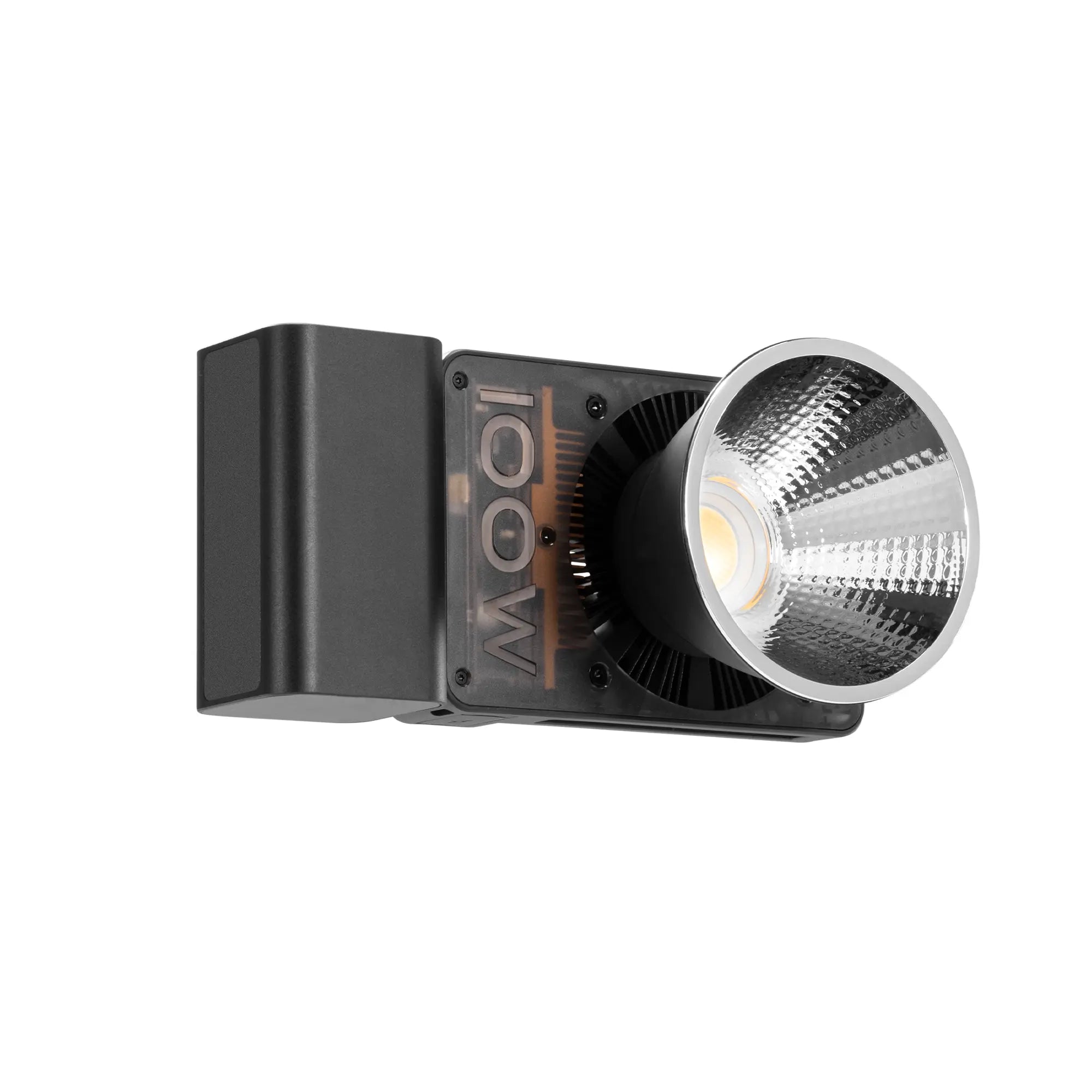
For these situations, the ZHIYUN MOLUS X100 RGB combines 100W full-color output with a portable design and modifier support. Paired with a softbox, it can create a controlled key light for couple portraits or interviews. The same setup can then support video coverage, saving time when switching between still images and motion footage.

What Wedding Photography Accessories Keep You Prepared?
The most useful wedding photography accessories reduce delays, protect equipment, and make a long day easier to manage. Each item should solve a realistic problem rather than add unused weight.
Power and Storage Essentials
Carry labeled batteries for cameras, flashes, LEDs, triggers, and other powered equipment. Keep charged and depleted batteries in separate compartments so they cannot be confused during a rushed change.
Use reliable memory cards with appropriate write speeds. Several moderate-capacity cards may be safer than relying on one card for the entire day. A card wallet should clearly separate empty, active, and completed media.
Comfortable Carrying Gear for Long Wedding Days
A wedding may involve eight to twelve hours of standing, walking, and changing positions. A properly fitted strap, dual-camera harness, or belt system keeps essential equipment accessible while distributing weight more comfortably.
Choose a protective bag that can be secured but opened quickly. Frequently used items should remain within reach, while backup equipment can stay in a separate case at a safe location.
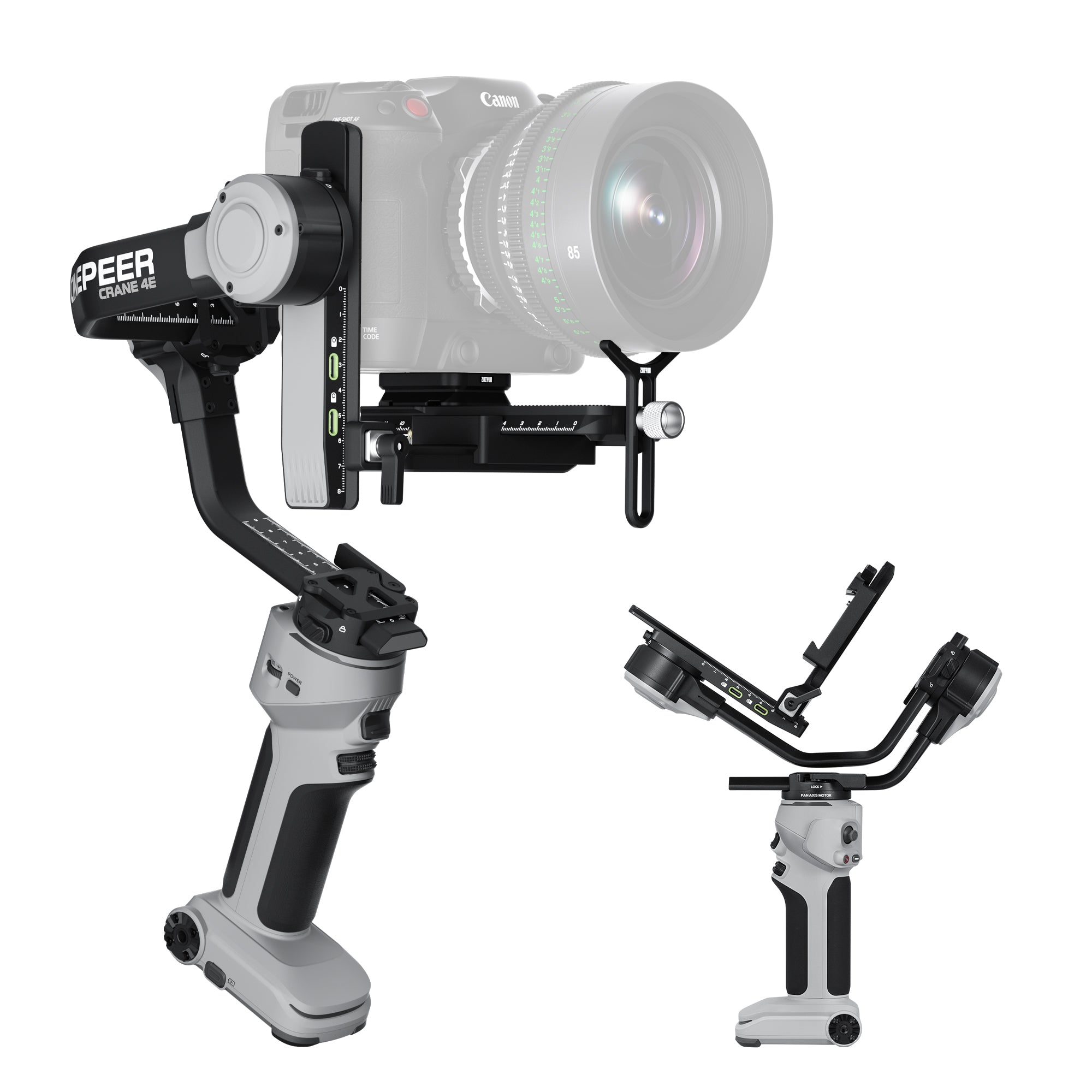
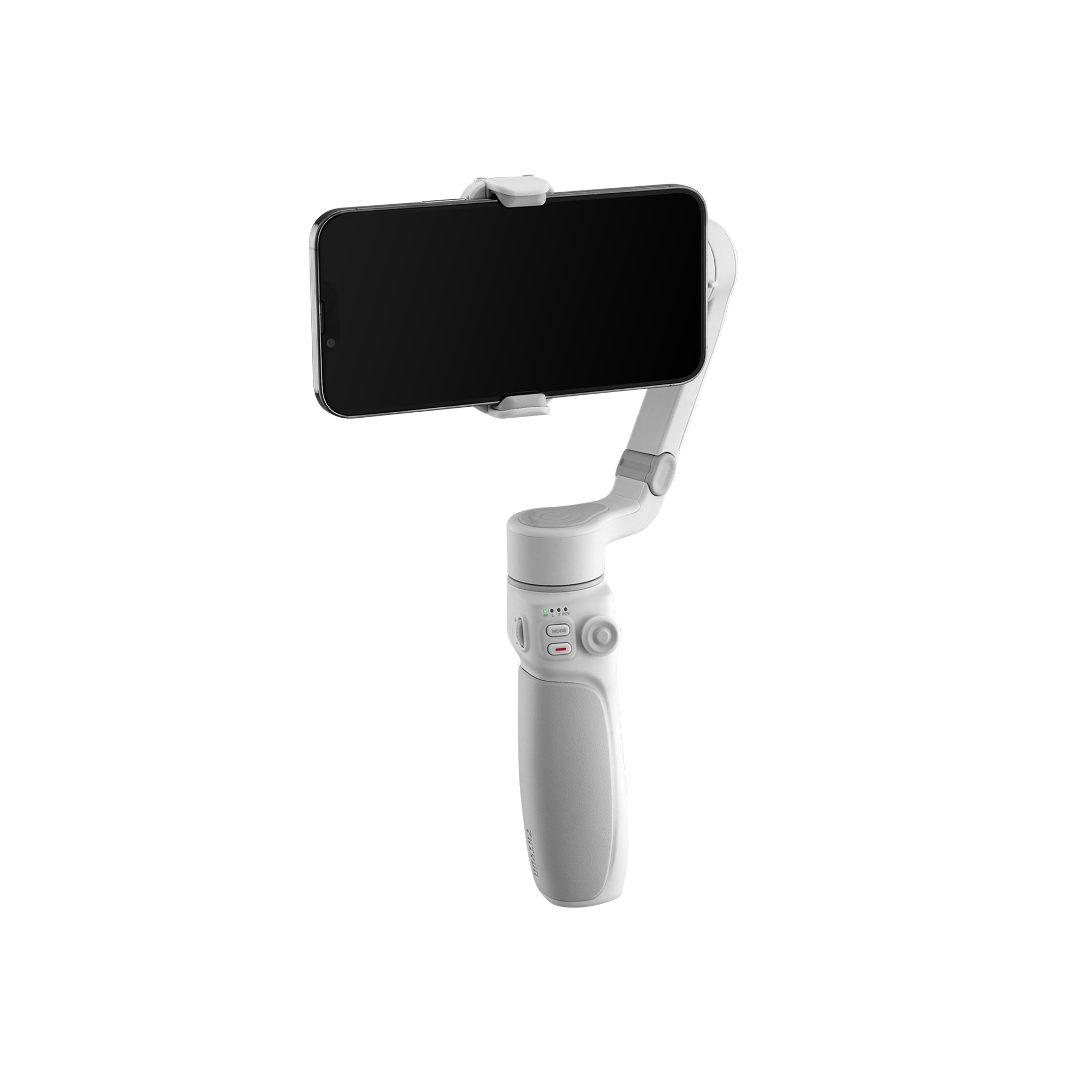
Camera Support for Still Photography and Hybrid Coverage

A tripod is well suited to formal portraits, fixed compositions, and long exposures. A monopod provides additional support for a heavy telephoto lens during the ceremony while still allowing the photographer to change position quickly.
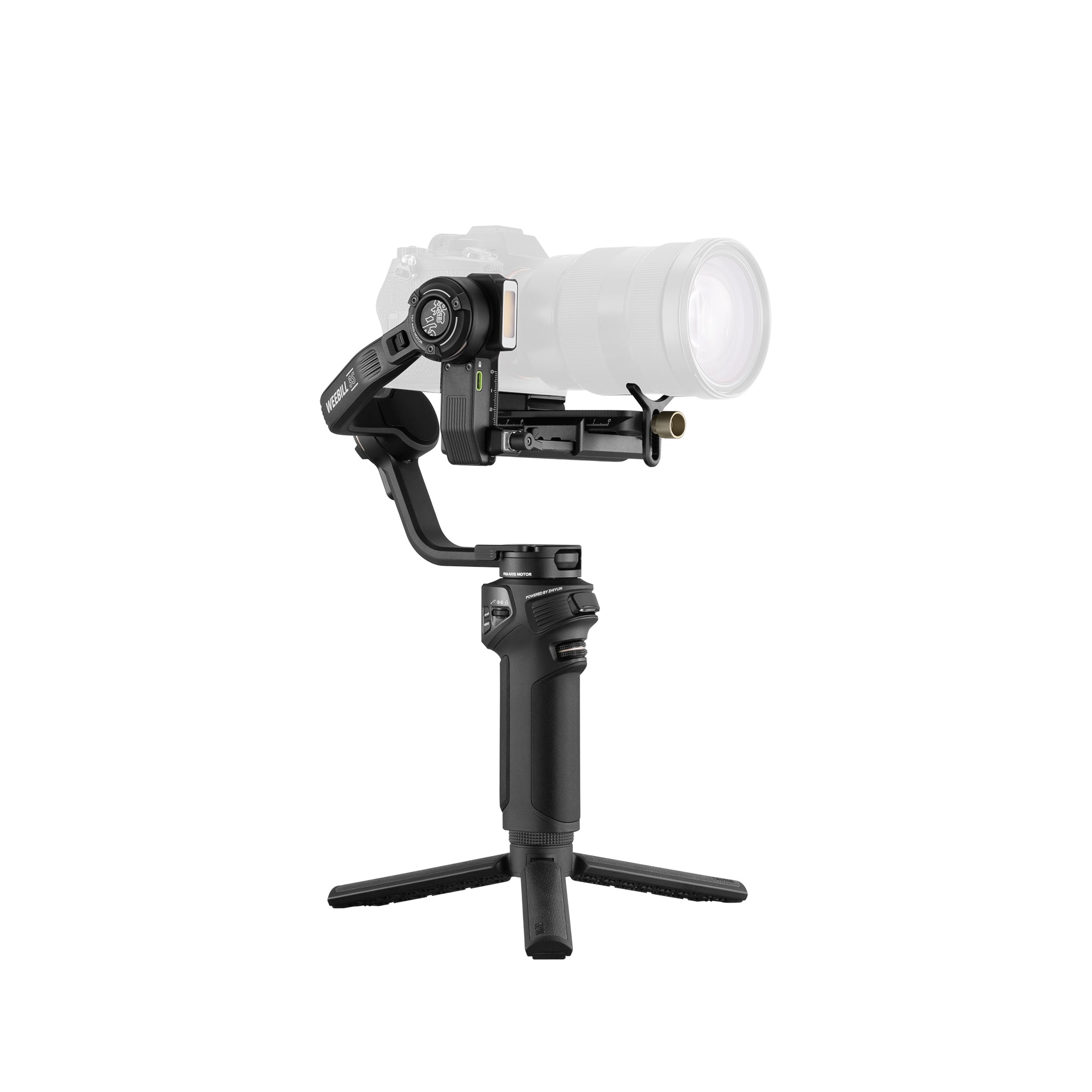
Hybrid coverage introduces a different challenge because entrances, venue tours, and moving couple sequences require stable footage without restricting camera movement. In these situations, a camera gimbal can reduce unwanted shake while allowing the operator to follow and reframe the action. For photographers delivering both still images and video, the ZHIYUN WEEBILL 5 supports camera setups weighing up to 3 kg while remaining practical for mobile shooting. Its sling-style handling makes low-angle tracking more comfortable, and native vertical shooting simplifies the transition to social media content. These features make it a useful addition to a hybrid wedding photography gear kit.
Lighting Control and Mounting Accessories
Pack the triggers, light stands, clamps, reflectors, softboxes, grids, gels, and mounting hardware required by the lighting plan. Sandbags or other approved weights help stabilize stands in areas where guests may pass nearby.
Test every trigger, receiver, cable, and mounting point before leaving for the venue. A missing adapter or loose plate can make an otherwise functional light unusable.
Weather Protection and Cleaning Supplies
Rain covers protect cameras and flashes during unexpected weather. Microfiber cloths, a blower, sealed bags, and lens-cleaning supplies help manage fingerprints, dust, moisture, and condensation.
Gaffer tape, compact tools, and spare mounting screws can solve small problems without taking up much space. Outdoor weddings may also require towels, sunscreen, insect repellent, and weather-appropriate footwear.
How Do You Prepare for Gear Failure and Protect Wedding Files?
Weddings cannot be repeated, so redundancy should cover both the equipment used to create the images and the files produced during the day.
Inspect, Charge, and Test Every Item Before the Wedding
Clean the equipment, charge every battery, format approved memory cards, and test cameras, flashes, lights, triggers, and cables. Confirm the date, file format, autofocus settings, and dual-card recording configuration on each camera.
Avoid installing an unfamiliar firmware update immediately before the wedding. Important changes should be tested during a practice session first.
Carry Backups for Essential Camera and Lighting Gear
Bring a second body, overlapping lens coverage, spare lighting, additional triggers, batteries, cards, and essential cables. Not every creative accessory needs a duplicate, but no single failure should stop the required coverage.
Keep backup equipment secure and accessible. If the ceremony and reception take place at different venues, confirm that every critical case moves with the photography team.
Use Dual-Card Recording and a Clear Card-Rotation System
Configure compatible cameras to write each image to two cards simultaneously. Replace cards before they are completely full and place completed media in a dedicated wallet.
Use a consistent physical system, such as turning completed cards in the opposite direction. Never format a card during the wedding unless its contents have already been verified and backed up.
Create Multiple File Backups Before Reusing Any Card
After the wedding, copy all files to at least two separate storage devices. Keep one copy in another physical location or secure cloud storage when practical.
Open sample files and confirm that the expected folders and image counts are present. Original memory cards should remain untouched until both backups have been verified.
Conclusion
Dependable wedding photography gear is built around coverage, comfort, and redundancy. Start with two capable camera bodies, versatile lenses, reliable lighting, sufficient batteries and cards, and a disciplined backup system. Add specialized equipment only when it solves a recurring need in the wedding-day workflow.
FAQ
What Is a Good Beginner Camera for Wedding Photography?
A suitable camera should offer reliable autofocus, strong low-light performance, comfortable controls, good battery life, and access to fast lenses. For paid weddings, dual card slots and a fully capable backup body are strongly recommended.
What Is the 30-5 Rule for Weddings?
The 30-5 rule generally means that a task taking five minutes on a normal day may take 30 minutes during a wedding because of clothing, people, emotions, and interruptions. Photographers should build buffer time into preparations, family groups, and location changes.
In What Order Should Wedding Photos Be Taken?
A typical sequence covers details, preparations, a first look if planned, the ceremony, family and wedding-party groups, couple portraits, reception events, and the final exit. The venue, available light, traditions, and couple’s schedule may change the order.
Can You Photograph a Wedding With One Camera Body?
It is possible, but one body creates unnecessary risk during paid coverage. A second camera protects against equipment failure and allows the photographer to move between wide and telephoto coverage without repeatedly changing lenses.
Which Three Lenses Cover Most Wedding Photography?
A wide-angle zoom, fast standard zoom, and telephoto zoom cover most wedding situations. Photographers who prioritize low-light work or shallow-depth-of-field portraits may replace one zoom with a fast prime.