










Professional Studio Lighting Setups for High-Fashion Magazine Editorials
High-fashion magazine editorials are not simply about photographing clothes. They are about building a visual world. Every detail, from the model’s pose to the shape of the shadow, contributes to the final image. A strong editorial image should feel intentional, polished, and visually memorable before any retouching begins.
Unlike casual portrait photography, fashion editorial work often demands precise control. The lighting must reveal fabric texture, define the model’s facial structure, preserve skin detail, and support the creative direction of the shoot. A small change in light angle, softness, contrast, or background separation can completely change the mood of the final image.
This is why professional studio lighting setups matter. Whether you are shooting for a magazine spread, fashion campaign, lookbook, designer portfolio, or beauty editorial, your lighting system should help you create consistent results while still leaving room for creative expression. With high-output studio lighting tools from ZHIYUN, fashion photographers and production teams can build flexible lighting setups for both clean commercial looks and dramatic editorial concepts.
Defining the Visual Aesthetic of Commercial Fashion Prints
Before placing a light, you need to define the visual direction of the editorial. A high-fashion shoot can be clean and minimal, dark and dramatic, glossy and luxurious, or experimental and surreal. The lighting should follow that creative direction instead of being treated as a separate technical decision.
For a clean magazine cover look, the lighting is usually soft, controlled, and flattering. The face should be clear, the clothing should retain detail, and the background should not distract from the model. This setup is often used for beauty covers, designer lookbooks, and premium commercial fashion campaigns.
For a dramatic editorial look, contrast becomes more important. Harder shadows, side lighting, narrow beams, and stronger background separation can create a more sculptural image. This style works well for high-fashion silhouettes, avant-garde styling, black garments, metallic fabrics, and strong poses.
For a glossy luxury look, highlight control is essential. Satin, leather, sequins, jewelry, and reflective accessories can easily create uncontrolled glare. The lighting should enhance shine without blowing out key details. This often requires careful light placement, flags, diffusion, and softbox control.
For a conceptual editorial, color and shadow may become part of the story. RGB lighting, colored background washes, or split-toned lighting can help create a distinctive visual language. However, color should be used with intention. In fashion prints, the clothing and skin tone still need to remain readable unless the concept deliberately calls for abstraction.
A useful planning method is to decide three things before the shoot: the lighting mood, the shadow quality, and the color palette. Once these are clear, your camera settings, light modifiers, model direction, and set design will become easier to control.
Using Light Modifiers to Create Flawless Skin Textures
Skin texture is one of the most important details in high-fashion and beauty editorials. The goal is not to erase all texture, but to make it look refined, dimensional, and controlled. Lighting plays a major role in how skin appears before retouching.
A bare light can create strong contrast and sharp shadows, which may work for dramatic fashion images but can also emphasize pores, uneven makeup, or hard facial lines. A softbox helps spread the light over a larger surface, creating smoother transitions between highlights and shadows. This is why softbox lighting is a core part of many professional studio lighting setups.
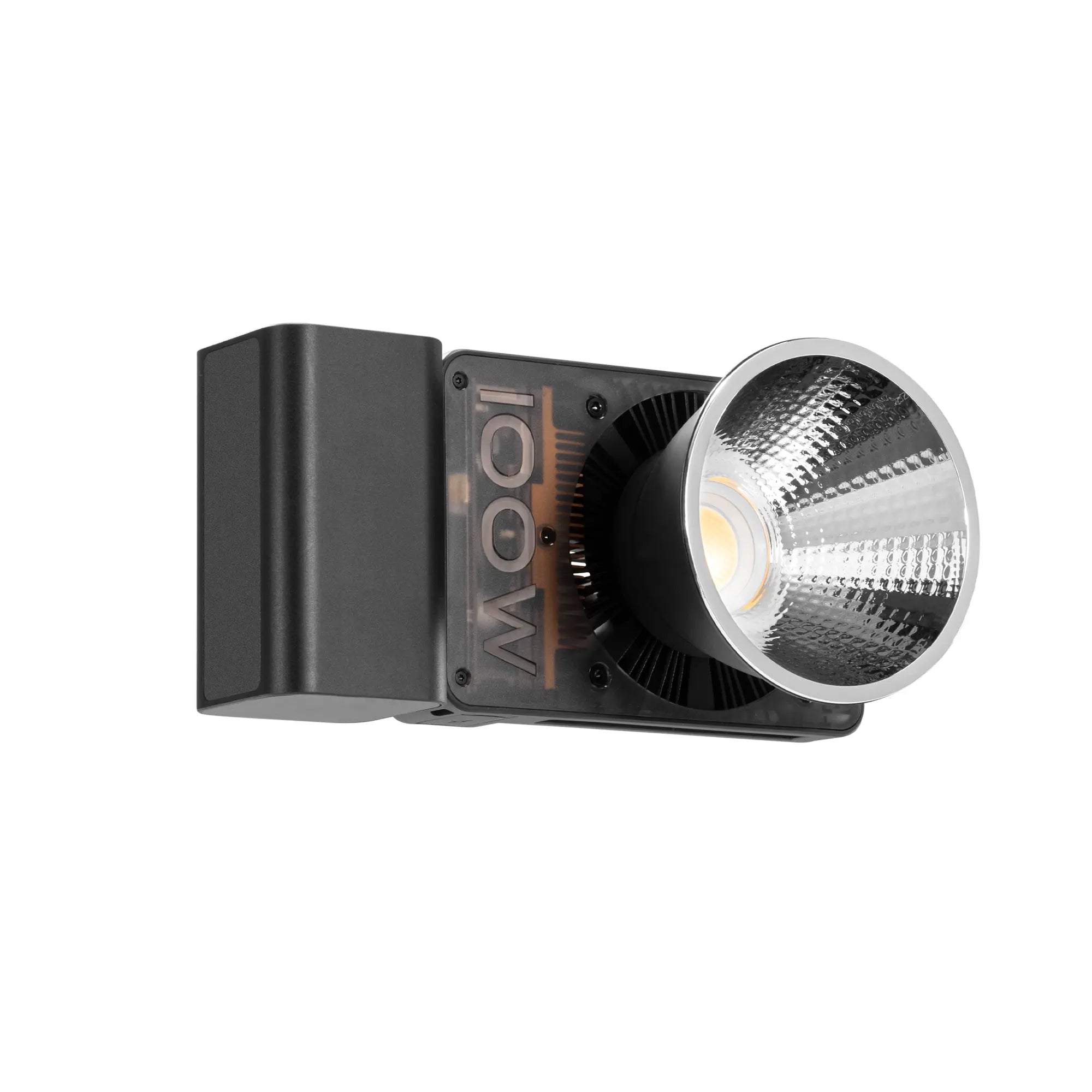
For fashion photographers who need a portable but powerful studio light, the ZHIYUN MOLUS X200 can be used as a key light for portrait, fashion, and editorial setups. Its compact form makes it useful for small studios or location-based editorial shoots, while its Bowens mount allows photographers to pair it with professional light modifiers.

When the shoot requires stronger output for larger sets, full-body fashion poses, or greater distance between the light and model, the ZHIYUN MOLUS G300 becomes a practical choice. Its 300W COB design is suitable for studio use, especially when you need consistent lighting for long shooting sessions, controlled skin tone, and enough power to work with larger modifiers.

A modifier such as the 60D Parabolic Softbox with Bowen Mount can help create soft yet directional light. Compared with a flat front light, a parabolic softbox gives the face more shape while still keeping the skin smooth. This is useful for fashion editorials where the image needs to look polished but not overly flat.

For a classic beauty-style setup, place the softbox slightly above the model’s eye level and angle it downward at about 30 to 45 degrees. This creates natural shadows under the cheekbones and jawline while keeping the eyes bright. If the shadows are too strong, add a reflector or low-power fill light below the face.
For a stronger editorial look, move the key light to the side. Side lighting can emphasize bone structure, hair texture, and fabric shape. This works especially well with sharp poses, tailored jackets, structured dresses, and high-contrast black-and-white fashion images.
For full-body fashion prints, pull the light farther away and raise it higher to create even coverage from head to toe. Make sure the garment’s texture remains visible. A dress, coat, or suit should not lose detail in the shadows, especially if the editorial is designed to showcase styling or designer pieces.
Achieving Absolute Stability for Precise Geometric Compositions
High-fashion editorials often rely on precision. The image may be built around clean lines, architectural backgrounds, symmetrical poses, or carefully arranged negative space. In this type of work, even small inconsistencies can weaken the final result.
Start by controlling the set. Mark the model’s standing position, the camera position, and the main light position with tape. This helps maintain consistency when changing poses or outfits. If you are shooting a series for a magazine spread, stable positioning makes the images feel connected even when the styling changes.
Camera height is also important. A low camera angle can make the model look taller and more powerful, which is often useful in fashion photography. Eye-level framing feels more natural and intimate. A slightly higher angle can work for beauty or seated poses. Whatever angle you choose, keep it intentional and consistent across the set.
Lighting stability is just as important as camera stability. If the key light moves even slightly, the shadow direction and highlight shape may change. This can create problems when the final layout requires multiple images to sit together on the same page. Before shooting the main sequence, check the catchlights in the eyes, the nose shadow, the jawline shadow, and the clothing highlights.
For geometric compositions, background alignment matters. Use the studio wall, seamless paper, floor lines, furniture, or architectural elements as part of the composition. If the model is standing in front of a symmetrical background, keep the camera centered. If you want tension, offset the model intentionally rather than accidentally.
A precise editorial setup does not mean the final image should look stiff. It means the structure is controlled enough to let the model’s pose and expression become more powerful. Strong fashion photography often feels effortless because the technical foundation is already stable.
Directing Model Movement While Maintaining Your Camera Flow
In fashion editorials, the model is not simply posing. The model is performing the visual identity of the shoot. Good direction helps transform clothing into attitude, movement, and story.
Start with simple pose language. Instead of giving vague instructions such as “be more stylish,” give specific direction: lengthen the neck, turn the shoulder, drop the chin slightly, shift the weight to one leg, extend the fingers, or move the coat with one hand. Small adjustments can make a major difference in fashion images.
Movement should match the clothing. A flowing dress needs motion to show shape. A structured blazer may look better with sharp posture and angular arms. Metallic or reflective fabrics may need slight turns to catch the light. Oversized garments often benefit from exaggerated body lines to avoid looking shapeless.
Camera flow should also follow the model’s movement. If the model is walking, the camera should either hold a strong fixed frame or move with purpose. If the model is turning, wait for the strongest moment when the face, shoulders, and garment shape align. If the model is working with fabric, shoot in bursts to capture the best shape.
Lighting must be considered while directing movement. A pose that looks strong from the camera angle may move the face out of the key light. A hand position may create an unwanted shadow across the cheek. A turn of the body may make the garment reflect too much light. Watch both the model and the light at the same time.
For editorial teams, communication between photographer, lighting assistant, stylist, makeup artist, and model is essential. If the makeup artist needs accurate skin tone, avoid extreme color shifts on the face. If the stylist wants to highlight fabric texture, adjust the light angle to reveal the garment clearly. If the magazine layout needs vertical cover space, leave enough negative space around the head and shoulders.
A successful high-fashion editorial is created through collaboration. The photographer controls the frame, but the final image depends on how lighting, styling, movement, and direction work together.
How Your Studio Setup Can Save Hours in Post-Production
A strong studio setup does more than improve the image on set. It also saves time in post-production. When exposure, color, shadow direction, and skin tone are controlled during the shoot, the editing process becomes faster and more consistent.
The first step is accurate exposure. Underexposed fashion images may become noisy when brightened later. Overexposed highlights on the face, hair, or clothing can be difficult to recover. Use your histogram, monitor, or tethered preview to check detail before continuing the shoot.
Color consistency is equally important. If the color temperature changes between shots, the final editorial spread may look uneven. Keep your key light settings consistent unless the creative concept requires a change. If you are using RGB lighting, separate creative color from skin tone whenever possible. For example, keep the key light natural and use RGB color on the background, hair, or side accent.
Tethered shooting is useful for high-fashion editorials because it allows the team to evaluate details on a larger screen. The photographer can check sharpness and composition. The stylist can check clothing shape. The makeup artist can check skin and product details. The creative director can confirm whether the image fits the editorial concept.
Good lighting also reduces heavy skin retouching. When the face is shaped with soft, controlled light, the retoucher does not need to fight harsh shadows, uneven skin shine, or color contamination. This helps preserve realistic texture while still achieving a polished magazine look.
A repeatable lighting workflow is especially useful when shooting multiple outfits. Once you build a strong base setup, you can make small adjustments instead of starting over for every look. For example, keep the main softbox position consistent, then change the background color, add a rim light, adjust contrast, or shift the model’s position for variety.
Professional studio lighting setups are not about making the shoot more complicated. They are about making the creative process more reliable. When your lighting system is powerful, flexible, and consistent, your team can focus more on expression, styling, and storytelling.
High-fashion magazine editorials require a balance of technical discipline and creative freedom. The lighting must shape the face, reveal fabric, control skin texture, support composition, and reduce editing problems after the shoot. By using professional lights such as the ZHIYUN MOLUS X200 and ZHIYUN MOLUS G300, paired with modifiers such as the 60D Parabolic Softbox with Bowen Mount, photographers can build a refined studio setup that supports both commercial polish and editorial imagination.
In the end, the best fashion lighting does not simply make the subject brighter. It gives the image structure, mood, and authority. With the right setup, every shadow, highlight, and color choice becomes part of the editorial story.