










What Are Useful Things for People Who Enjoy Photography?
著者: Leegglaya に Nov 09, 2026Useful gifts for photography enthusiasts solve practical problems, protect their equipment, or create new shooting possibilities. Spare power, reliable storage, carrying gear, camera support, and controllable lighting are often more valuable than decorative camera-themed items. This guide explains what to consider and which accessories suit different photographers.
What Makes a Photography Item Genuinely Useful?
A useful accessory should fit naturally into the photographer’s existing workflow. Before choosing a gift, consider what the person photographs, where they shoot, and which equipment they already own.
It Solves a Recurring Shooting Problem
The best accessories remove a limitation the photographer encounters regularly. Extra batteries prevent a session from ending early, a tripod improves stability in low light, and a portable light provides control when daylight is weak or inconsistent.
A product does not need to be expensive to be valuable. A memory-card case or cleaning kit may receive more regular use than a specialized lens attachment.

It Fits the Photographer’s Existing Equipment
Camera equipment is not universally compatible. Batteries, memory cards, lens mounts, light modifiers, and control cables may work only with particular models.
If possible, confirm the exact camera, lens, phone, or lighting system before purchasing a technical accessory. When that information is unavailable, accessories with broad compatibility are generally safer choices.
It Is Easy to Carry and Use Regularly
An accessory that is too heavy, difficult to assemble, or inconvenient to pack may remain at home. Compact equipment is especially useful for travel, street photography, weddings, and outdoor sessions.
Portability should not come at the expense of reliability. A useful item needs to withstand repeated handling while remaining simple enough to set up during a real shoot.
Everyday Essentials Every Photographer Can Use
Some accessories support nearly every photography style. These items may not appear exciting, but they help photographers work longer, protect their equipment, and keep files organized.
Spare Batteries, Memory Cards, and Card Readers
A spare battery is valuable during events, travel days, and long outdoor sessions. Confirm the exact battery model because similar-looking batteries may not be interchangeable.
Memory cards should match the camera’s required format and speed. A fast card reader can then shorten the transfer process, particularly when the photographer regularly works with large RAW files.
Cleaning Tools and Weather Protection
A basic cleaning kit may include a hand blower, microfiber cloth, soft brush, and properly formulated lens-cleaning solution. These tools help remove dust and fingerprints without relying on clothing or paper products that can damage coatings.
A fitted rain cover or waterproof bag liner provides additional protection when shooting outdoors. It is especially useful for landscape, wildlife, sports, and travel photographers who cannot always wait for perfect weather.
Camera Bags, Straps, and Storage Cases
A well-padded bag protects the camera while keeping batteries, cards, and small accessories organized. Removable dividers are helpful because the interior can be adjusted when the photographer changes lenses or equipment.
Comfort also matters. A suitable neck strap, wrist strap, or camera harness can reduce fatigue during a long session. However, carrying equipment is personal, so checking the photographer’s preferred style is worthwhile.
Creative Accessories That Expand What Photographers Can Shoot
The most rewarding gifts often make a new technique possible. Camera support, filters, reflectors, and lights can change how a photographer works without requiring a new camera body.
Tripods, Remote Shutters, and Lens Filters
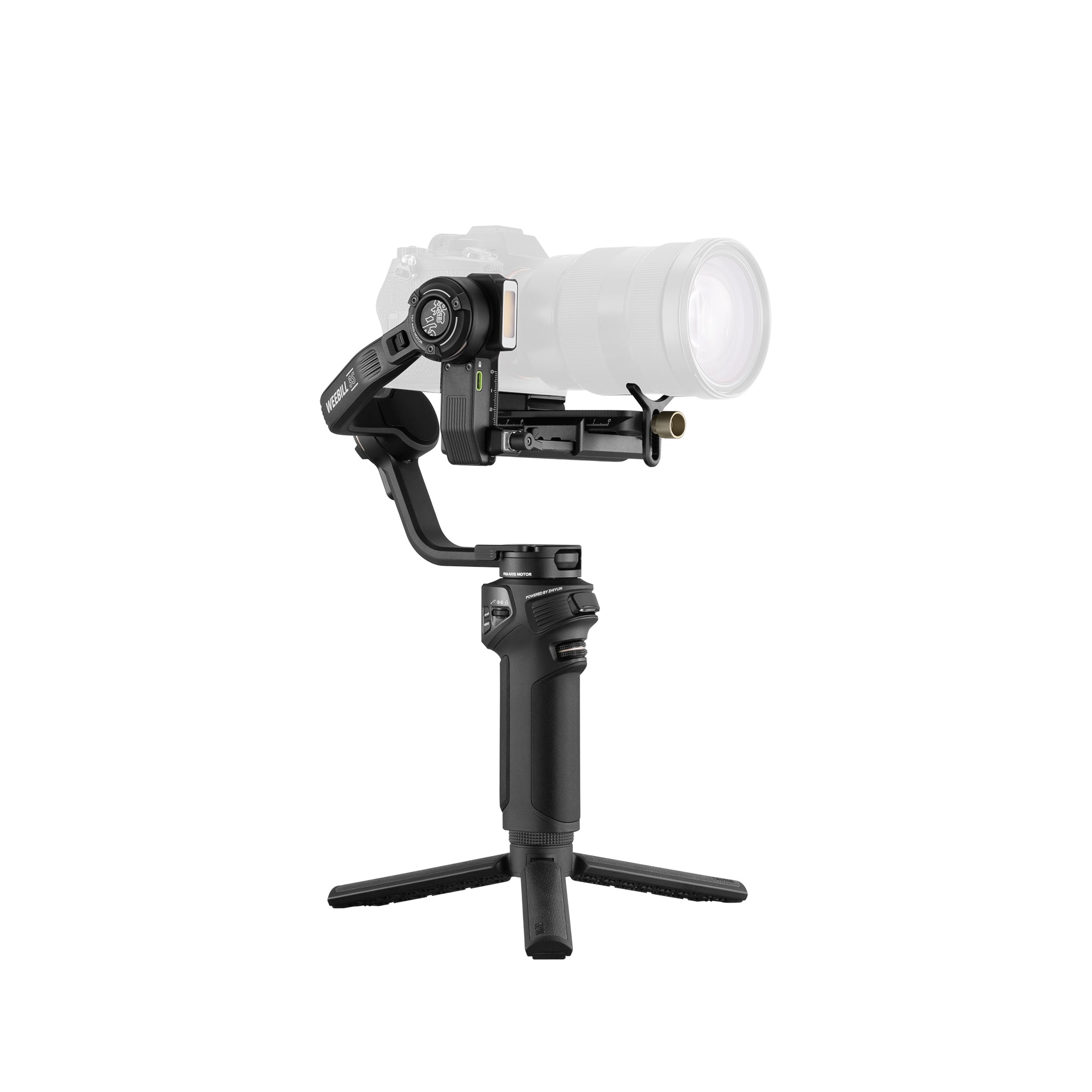
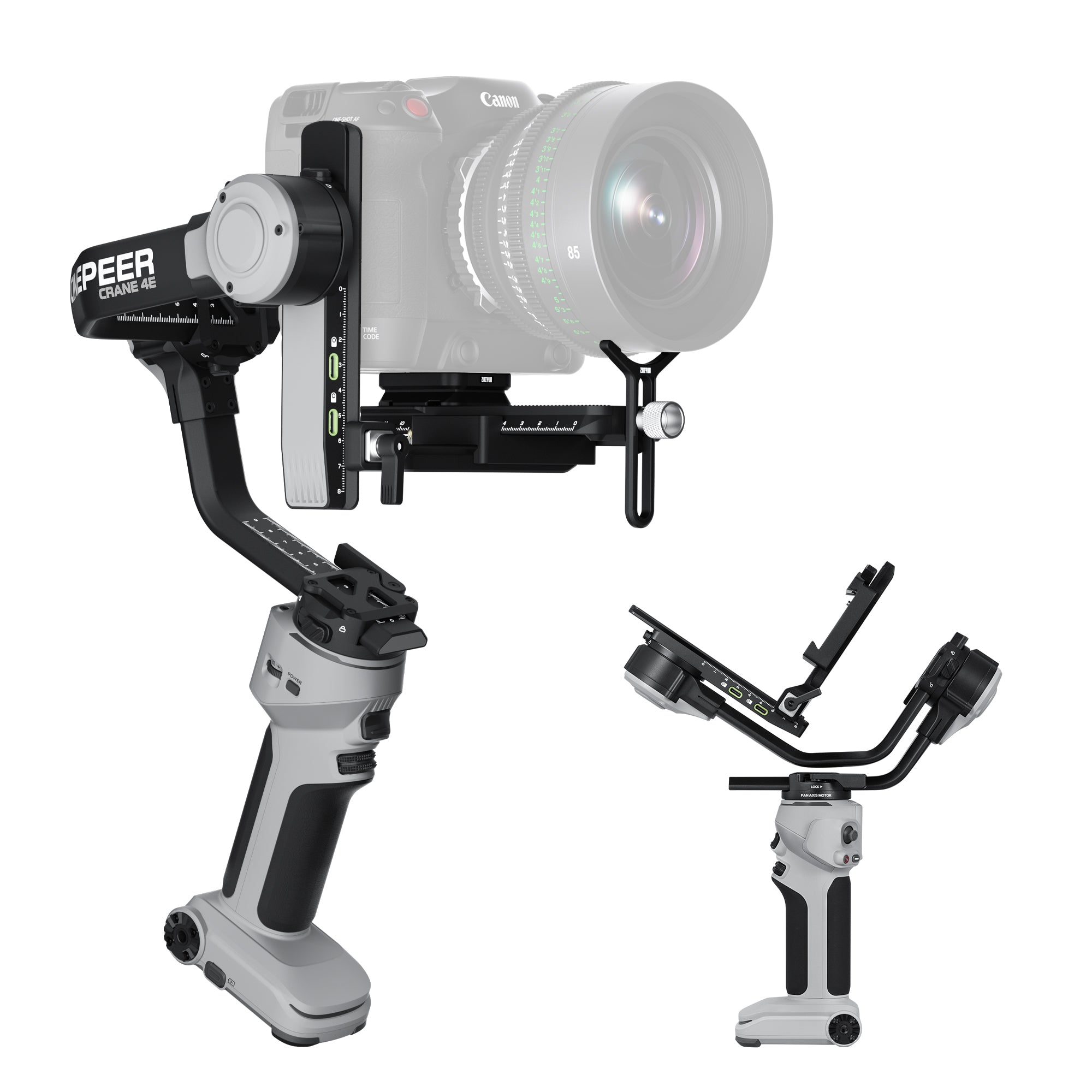
A tripod supports low-light photography, long exposures, landscape compositions, self-portraits, and carefully arranged product photographs. The right model should safely support the complete camera and lens while remaining practical to carry.
A remote shutter release reduces camera movement during long exposures. Neutral-density filters allow slower shutter speeds in bright conditions, while circular polarizers can reduce reflections and deepen the appearance of skies. Filter diameter and lens compatibility must be checked before ordering.
Portable Lights and Reflectors for Location Photography
A reflector can redirect window light or sunlight to soften facial shadows. When natural light is too weak or unpredictable, a compact continuous light provides more control and lets the photographer evaluate the result before taking the picture.
For location work, the ZHIYUN FIVERAY M60 Ultra combines 60W RGB output with a compact 430 g body and built-in battery. Its adjustable 2700K to 10000K range can match warm interiors, daylight, or creative colored backgrounds. That combination makes it practical for close portraits, product details, food photography, and small sets where a full-size fixture would be difficult to position.

Continuous Lights and Modifiers for Portraits and Products
Portrait and product photographers often need more output and greater control over shadow softness. A continuous COB light paired with a compatible softbox can create a broad source while showing the photographer exactly where highlights and shadows will appear.
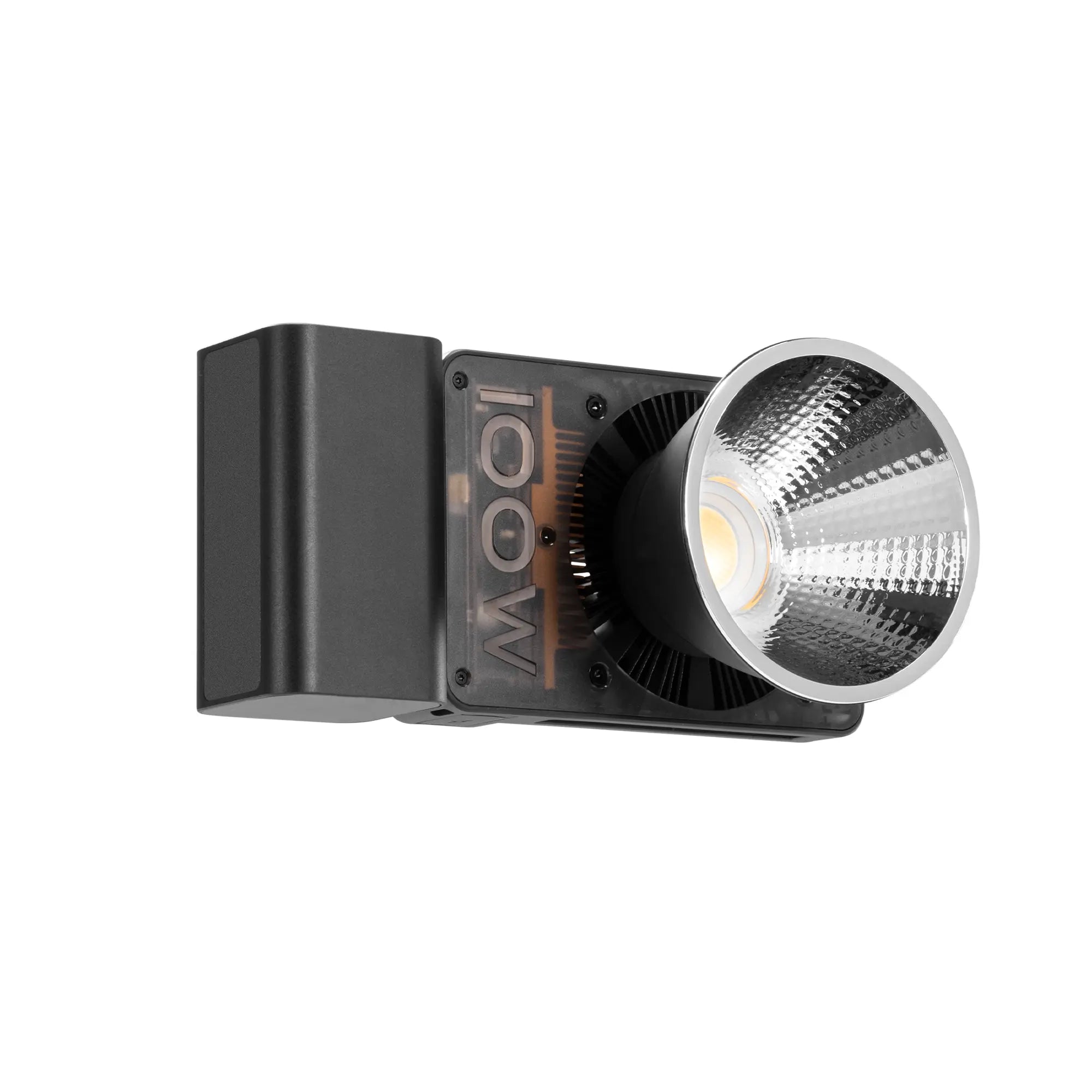
When a portable fixture must serve as a portrait key light, the ZHIYUN MOLUS X100 RGB offers 100W full-color output in a slim 384 g design. Its color controls help match existing light or add a restrained background accent, while modifier support allows the source to be shaped for portraits, interviews, and commercial products. This makes it a practical step beyond a small pocket light without requiring a large studio fixture.

Useful Photography Gifts for Different Shooting Styles
The photographer’s preferred subject should guide the final decision. The following comparison connects common shooting styles with accessories that address their most frequent needs.
|
Type of Photographer |
Useful Items |
Problem Solved |
Typical Budget |
|
Travel and landscape |
Tripod, rain cover, spare battery, filters |
Stability, weather, and long shooting days |
Low to high |
|
Portrait and product |
Continuous light, reflector, softbox |
Inconsistent light and uncontrolled shadows |
Medium to high |
|
Mobile and hybrid |
Phone support, compact light, remote, microphone |
Solo shooting and mixed photo-video work |
Low to medium |
Travel and Landscape Photographers
Travel photographers benefit from lightweight equipment that protects the camera without filling the entire bag. A compact tripod, weather cover, spare batteries, and memory-card organizer are practical choices.
Landscape photographers may also use neutral-density or polarizing filters, but the correct diameter must be confirmed. A gift card is safer when the required filter system is unknown.
Portrait and Product Photographers
Understanding photography lighting basics makes it easier to choose among reflectors, light stands, softboxes, background materials, and continuous lights. Portrait photographers often value larger, softer sources, while product photographers may prefer smaller lights that can be positioned precisely.
Color accuracy and modifier compatibility matter more than decorative lighting effects. A light should solve a repeatable exposure or shadow-control problem.
Mobile and Hybrid Content Creators
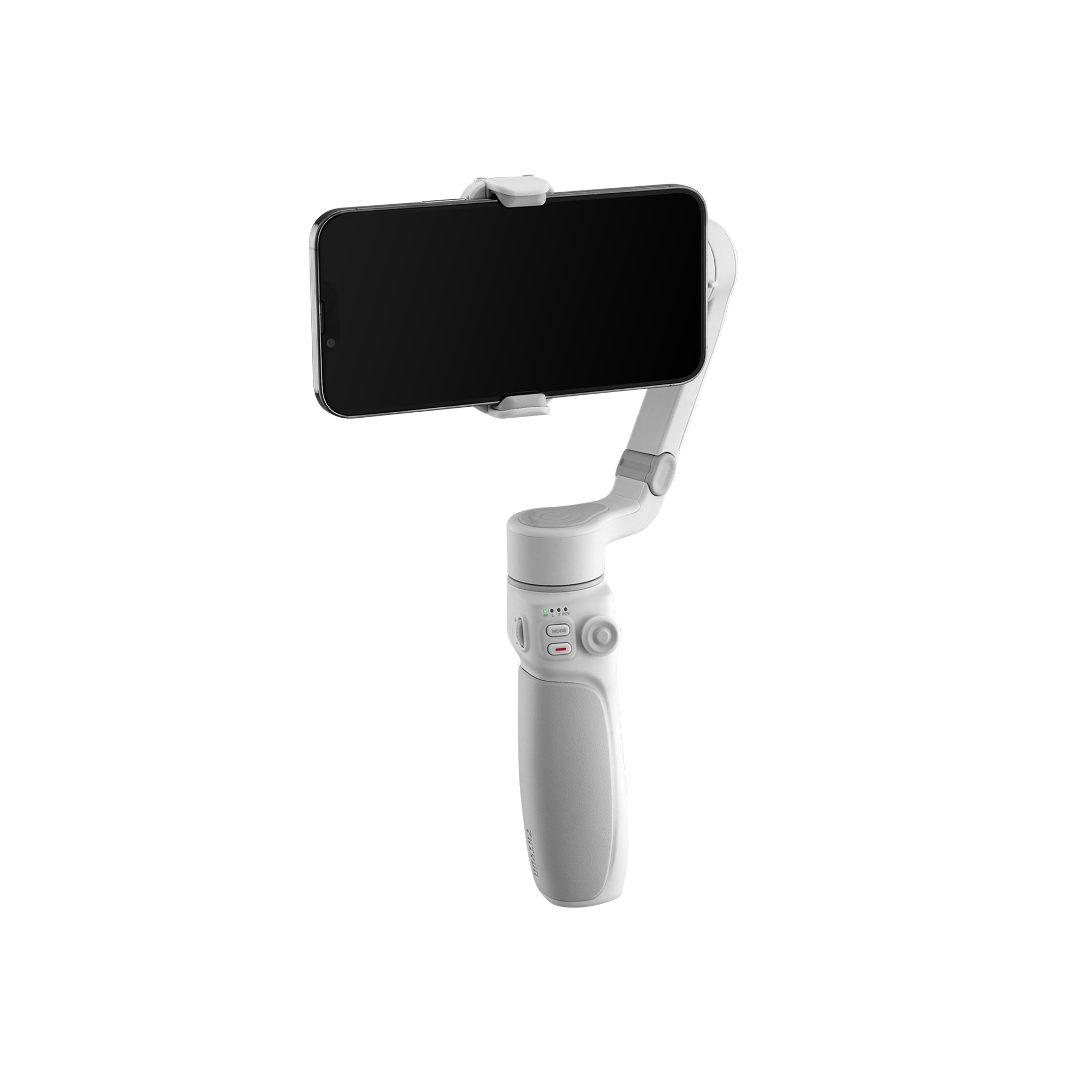
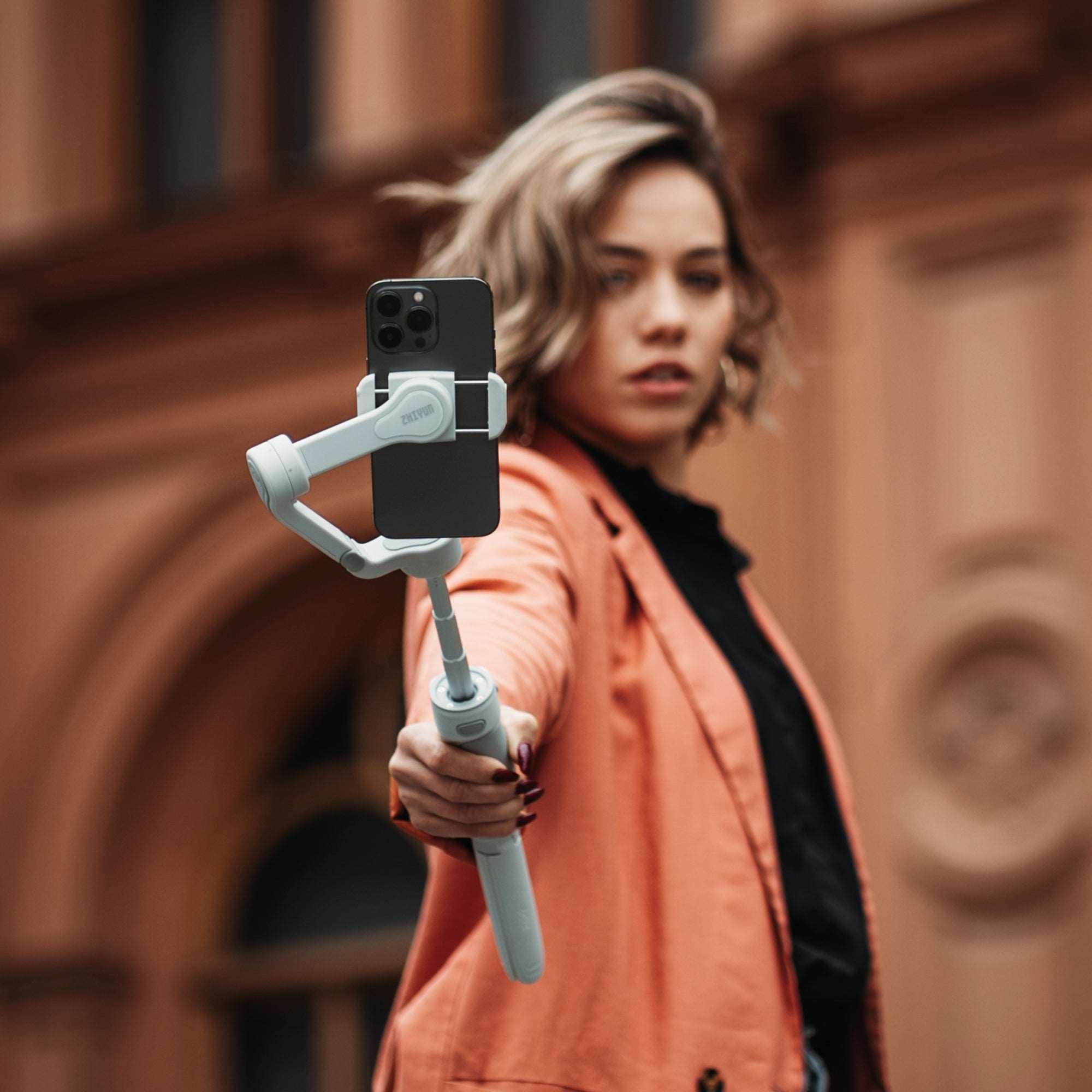
Photographers who also record video may benefit from a compact light, phone tripod or phone gimbal, wireless remote, or microphone. These accessories support self-portraits, tutorials, behind-the-scenes content, and short-form video without requiring a separate production kit.
Choose equipment that remains quick to set up. Mobile creators often value convenience more than the maximum number of advanced controls.
What Should You Check Before Buying Photography Gear as a Gift?
A brief compatibility check can prevent an otherwise thoughtful gift from becoming unusable.
- Confirm the exact camera or phone model.
- Check the required mount, battery, and memory-card format.
- Consider what the photographer already owns.
- Avoid choosing a lens without confirming the camera mount.
- Review portability, power requirements, and available storage space.
- Keep the receipt or choose a flexible return policy.
Conclusion
The most useful things for people who enjoy photography are not necessarily the most expensive. Choose an item that solves a familiar problem, fits existing equipment, and matches the photographer’s preferred subjects. Reliable power, storage, protection, support, and lighting can improve many shoots without replacing the camera they already enjoy using.
FAQ
What Is the Most Useful Gift for a Beginner Photographer?
A spare battery, compatible memory card, cleaning kit, or comfortable camera strap is a practical starting point. These items support regular practice without requiring the beginner to change equipment.
What Non-Equipment Gifts Do Photographers Appreciate?
Photography books, exhibition tickets, printing credit, editing-software subscriptions, and workshops can be thoughtful alternatives. A professionally printed photo book can also help someone turn digital images into a finished project.
What Is a Good Gift for Someone Who Enjoys Photography?
The best choice depends on what the person photographs. Travel photographers may appreciate lightweight carrying gear, while portrait photographers may benefit more from a reflector or continuous light.
What Should You Buy Someone Who Loves Cameras?
Choose an accessory that does not require detailed compatibility information, such as a cleaning kit, card organizer, rain cover, photo book, or store gift card. Avoid batteries, lenses, and filters unless the exact specifications are known.
What Are Some Useful Photography Gifts Under $50?
Affordable options include memory-card cases, microfiber cleaning kits, compact reflectors, camera rain covers, cable organizers, small tabletop tripods, and photography books. Always confirm compatibility when the item attaches directly to a camera or lens.


